
Kurumulagail Verthatu Chemeen
A vibrant South Indian dry prawn fry coated in a concentrated glaze of crushed black pepper, garlic, ginger, and tart lemon juice.
Marinade spices
63 gMixed into the lemon marinade (step 1)Stir-fry masala
18 gFried with the softened onions (step 3)Finishing pepper
0.3 gScattered over the pan at the end (step 5)Everything else

Method
- Combine 45.9 g lemon juice and the marinade spices in a large bowl. Add the 24 prawns, turning to coat them evenly, then cover and set aside to marinate for 15 minutes.
- Whisk 8.1 g cornstarch with 3 tablespoons of water in a small bowl until completely dissolved, then set aside.
- Heat 40.5 g vegetable oil in a deep, heavy pan over medium heat. Add 250 g chopped onion and cook for about 2 minutes until glossy and translucent. Add the stir-fry masala and cook for 3 to 4 minutes, stirring continuously, until the moisture cooks off and the onions turn light golden.
- Raise the heat to high, add the marinated prawns, and stir-fry for 2 minutes. Stir in 60 g spring onions (along with 2 tablespoons chopped spring onions) and cook for 1 minute, then pour in 125 ml of water. Mix in 15.3 g lemon juice, 1 tablespoon chopped coriander, and salt to taste.
- Give the cornstarch slurry a quick stir, pour it into the pan, and stir-fry for 2 to 3 minutes until the liquid thickens and almost completely evaporates. Sprinkle over the finishing pepper, toss to coat, remove from the heat, and adjust salt if desired.
Don't have something?
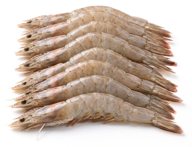
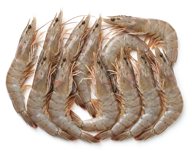 King prawn
Use the same weight; cut large ones into 2 cm pieces. Sweeter and firmer; cook 1–2 minutes longer.
 Firm white fish fillet
Use the same weight, cut into chunks. Add 3–4 minutes later; milder and less sweet, and it flakes easily.
 Small prawn
Use the same weight; they cook faster, so add 2 minutes later. More numerous and slightly sweeter.


 Chickpea flour
Whisk equal weight thoroughly with cold water before stirring into hot sauce; thickens well, but imparts an earthy, nutty taste and pale golden colour.


 Peanut oil
Use 1:1 by weight. Handles high-heat frying identically and introduces a very subtle, pleasant nuttiness.
 Ghee
Use 1:1 by weight. Yields a much richer, authentic aroma and a glossy, heavier mouthfeel.
 Mustard oil
Use 1:1 by weight. Heat until smoking, then cool slightly before cooking to temper its intensely pungent, sharp mustard kick.






 Fresh ginger
Use equal weight; peel and grate very finely on a microplane or pound to a fine paste in a mortar.
 Ginger
Use equal weight; mince finely and crush with the flat of a knife before frying.
 Ground ginger
Use 20% of the weight; add directly with the dry spice powders, though it yields an earthier, less pungent profile.


 Garlic
Use equal weight; crush or finely grate to a smooth pulp to replicate the same fresh, pungent moisture in your base gravy.
 Garlic powder
Use 20 to 25% of the weight; mix with a teaspoon of water before adding to oil so it does not burn, noting it lacks the fresh bite.


 Red chilli powder
Use 100% of the weight. Provides direct, sharp heat and red colour in equal measure.
 Kashmiri chilli powder
Use 150% to 200% of the weight if matching colour, but add a pinch of black pepper or hot chilli if you need equivalent fiery heat.
 Cayenne pepper
Use 75% to 100% of the weight. Offers a sharp, clean heat with slightly less earthy depth and less crimson colour.


 Spring onion
Use the same weight and take the green parts; identical flavour, just use the whole bunch.
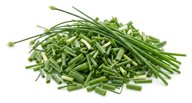 Chive
Use the same weight; milder and softer, so add at the end to keep freshness.
- Onion
Use 50% of the weight, finely sliced; much stronger, so use sparingly and cook if possible.

- Spring onion green
Use the same weight; use only the green parts, so the dish loses some of the white onion base.
- Onion
Use 60% of the weight, finely sliced; stronger and sharper, so cook it down more.
- Chive
Use the same weight; milder and best added late or as a garnish, not as a cooked base.


 Lime juice
Use equal volume or weight; delivers almost identical sharp acidity with a faintly more aromatic, bitter-edged profile.
 Dried mango powder
Use 25% of the weight (about 1 g amchoor for 4 g juice); provides clean fruity tartness without thinning the sauce.
 White vinegar
Use 75% of the volume; gives direct sourness without any citrus floral fragrance.


 Coriander leaf
Use equal weight, chopped fresh and stirred in off the heat or used as garnish. Matches the citrus-herbal profile identically.
 Mint
Use 40% to 50% of the weight; chop finely and add at the very end. Adds fresh herbal brightness, but shifts the aroma toward cool menthol.


 Black peppercorn
Crush whole peppercorns roughly in a mortar or under a heavy skillet; use equal weight. Yields the exact same fiery heat and crunchy bite.
 Ground black pepper
Use 70% of the weight. It disperses heat much more aggressively through sauces and can darken the dish, lacking the crunchy specks of coarse pepper.


- Coarsely ground black pepper
Use 75% of the weight. Add midway through simmering; spreads heat evenly through the dish instead of delivering isolated bursts.
- Ground black pepper
Use 50% of the weight. Stir in near the end of cooking; significantly darkens light gravies and provides an immediate, sharp bite.
Similar dishes

- Same: Both recipes cook prawns with onions, ginger, garlic, and red chilli powder.
- Different: Konju Masala is prepared as a curry using tomatoes, coconut milk, turmeric, and curry leaves, whereas this dish is a dry fry glazed with crushed black pepper, lemon juice, and cornstarch.

- Same: Veinchana Royyaalu shares prawns, onion, ginger paste, garlic paste, chilli powder, vegetable oil, salt, and a citrus souring agent with this dish.
- Different: Veinchana Royyaalu is a curry simmered with tomatoes, green chillies, turmeric, ground coriander, lime juice, and whole spices like green cardamom, clove, and aniseed, while this dish is a dry fry with cornstarch, spring onion, lemon juice, and crushed black pepper.

- Same: Jhinga Dopyaza shares prawns, vegetable oil, onion, ginger paste, garlic paste, chilli powder, salt, and coriander with this dish.
- Different: It uses much more onion and oil, adds turmeric, ground coriander, curry leaves, and green chillies, and lacks lemon juice, black pepper, cornstarch, and spring onion.

- Same: Royya Alu Pulussu shares prawns, vegetable oil, onion, ginger paste, garlic paste, chilli powder, black peppercorn, and salt with this dish.
- Different: Royya Alu Pulussu adds coconut milk, desiccated coconut, turmeric, ground coriander, ground cumin, green chilli, clove, mint, curry leaf, tamarind extract, and lime juice, and it lacks this dish's cornstarch, spring onion, and large lemon juice glaze.