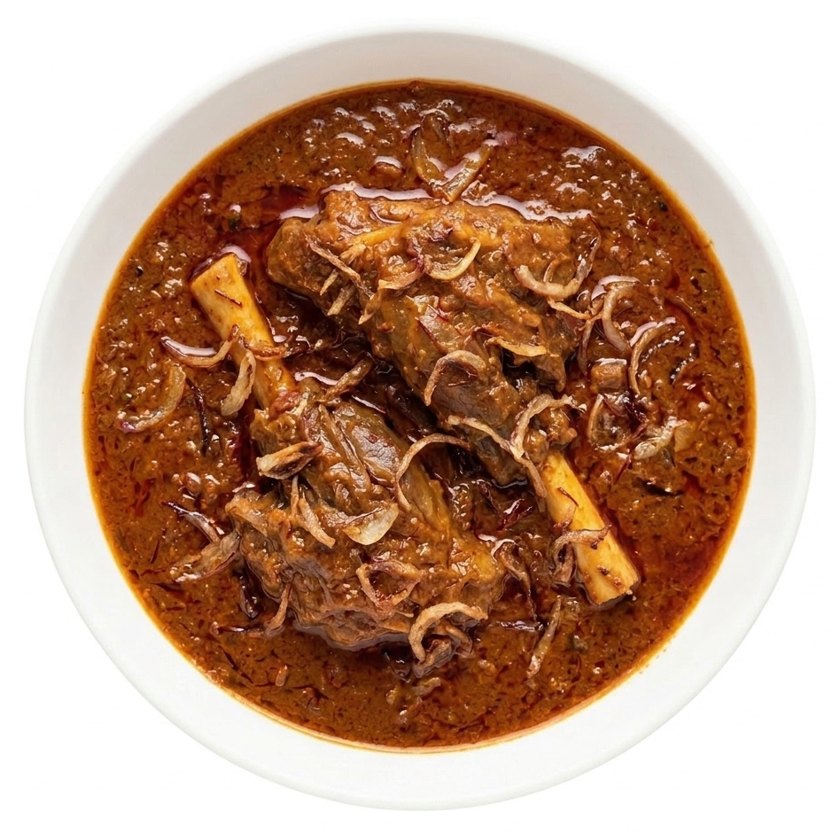
Nalli Rogan Josh
A fragrant, slow-cooked curry of tender lamb shanks braised in a robust, deeply spiced sauce perfumed with saffron and mace.
Finishing spices
1 gSteeped in water then stirred in at the end (steps 1 and 7)Spice paste
32 gBlended with water into a paste (step 2)Whole spices
8 gFried with the onions in hot oil (step 3)Everything else

Method
- Steep the finishing spices in 1 tablespoon of warm water and set aside.
- Mix the spice paste with 2 tablespoons of water until smooth.
- Warm 6 tablespoons of oil in a heavy-based pot over medium heat, tip in the whole spices and 240 g finely sliced onions, and fry for 5 to 7 minutes until deep golden brown.
- Use a slotted spoon to lift out one-third of the fried onion mixture and reserve it for garnish.
- Add 4 lamb shanks and the spice paste to the pan, turning the meat for a few minutes until seared on all sides, then put the lid on for about 1 minute if needed until the oil begins to separate.
- Season with salt to taste and pour in 1 litre of water to cover the shanks, bringing everything to a boil over high heat.
- Stir in 250 g puréed tomato, return the liquid to a boil, then reduce the heat and simmer gently for at least 30 minutes until the lamb is tender.
- Fold in the steeped finishing spices, turn off the heat, and scatter the reserved fried onions over the top to serve.
Don't have something?


 Ground turmeric
Use 15% of the saffron's weight. Replicates the bright yellow colour well, but lacks the floral, earthy depth; use sparingly to avoid bitterness.
 Screwpine water or rosewater
Use a few drops combined with a tiny pinch of ground turmeric to mimic both the regal floral aroma and the golden hue.


 Fresh ginger
Use equal weight; peel and grate very finely on a microplane or pound to a fine paste in a mortar.
 Ginger
Use equal weight; mince finely and crush with the flat of a knife before frying.
 Ground ginger
Use 20% of the weight; add directly with the dry spice powders, though it yields an earthier, less pungent profile.


 Garlic
Use equal weight; crush or finely grate to a smooth pulp to replicate the same fresh, pungent moisture in your base gravy.
 Garlic powder
Use 20 to 25% of the weight; mix with a teaspoon of water before adding to oil so it does not burn, noting it lacks the fresh bite.


 Coriander seeds
Dry-roast lightly in a pan and grind to a fine powder; use equal weight (1:1). Offers a noticeably fresher, brighter citrus note.
 Ground cumin
Use 50% to 75% of the weight. Lacks the floral, citrusy profile of coriander and turns the gravy heavier, earthier, and darker.
 Garam masala
Use 50% of the weight and stir in near the end of cooking. Adds warmth and depth since it contains ground coriander, but introduces stronger spices like clove and cinnamon.


 Kashmiri red chilli powder
Use the same weight for a similar mild colour; it has a little more heat, so taste as you go.
 Red chilli powder
Use 50–60% of the weight; it is much hotter, so add it gradually.
 Cayenne pepper
Use 25–40% of the weight; it gives heat but little colour, so it changes the look of the dish.


- Red chilli powder
Use 100% of the weight. Provides direct, sharp heat and red colour in equal measure.
 Kashmiri chilli powder
Use 150% to 200% of the weight if matching colour, but add a pinch of black pepper or hot chilli if you need equivalent fiery heat.
- Cayenne pepper
Use 75% to 100% of the weight. Offers a sharp, clean heat with slightly less earthy depth and less crimson colour.


 Vegetable oil
Use the same weight. It is neutral and behaves the same in frying and tempering; no noticeable change in flavour.
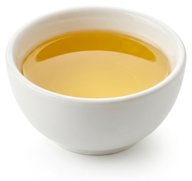 Corn or vegetable oil
Use the same weight. Neutral and good for high heat; the dish will taste virtually the same.
 Groundnut oil
Use the same weight. It has a mild nutty flavour and is good for Indian cooking; heat until just hot, not smoking, so the nuttiness does not dominate.


 Ceylon cinnamon
True cinnamon: thinner, papery quills, milder and sweeter. Use about 1.5 times the weight, and taste.
 Ground cinnamon (cassia)
Use about a third of the weight (0.5 g ground for a 2.5 cm piece), stirred in with the ground spices rather than fried whole, since the powder burns quickly.
 Cassia buds
Use 60-70% of the weight; stronger and more peppery, so taste before adding more.


 Ground cloves
Use 1 g ground for 4 g whole (or 1 small pinch per 2 to 3 whole cloves). Add with spice powders; disperses intense warmth quickly, so use with restraint.
 Allspice berries
Use 100% of the weight whole in tempering. Imparts a warm, clove-like aromatic profile combined with hints of nutmeg and cinnamon.
 Black cardamom pod
Use 1 pod for 3 to 4 cloves in whole tempering. Shares a camphor-like warmth and medicinal depth, though it introduces a distinct smoky undertone.


- Cinnamon stick
Use a 2 cm piece (about 1 g) for every 1 to 2 bay leaves. Fry in whole-spice temperings; provides the cassia-like warmth typical of Indian tejpatta.
- Ground cinnamon (cassia)
Use 0.5 g per leaf. Stir into the sauce during simmering; gives the same warm woodiness but darkens the colour slightly.

 Ground black cardamom
Use 0.5 g of ground seeds for each whole pod. Stir directly into the curry base; delivers identical smoky flavour without woody husks.
 Green cardamom pod
Use equal pod count or weight. Crack slightly and fry whole; tastes sweet, menthol-fresh, and floral rather than dark and smoky.


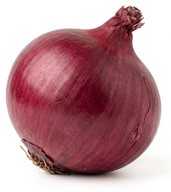
 Onion
Use the same weight; cook a little longer. Milder and less sweet when raw.
 Shallot
Use the same weight; sweeter and softer, so reduce cooking time slightly.
 Spring onion
Use only the white parts, weight for weight, for raw or quick-cooked dishes; green parts are too grassy for long cooking.


 Lamb shank and chop
Use the same weight; the chop cooks faster, so check 20–30 minutes earlier.
 Lamb leg
Use the same weight; cut into large chunks. Cooks 20–30 minutes faster and gives less gelatine.
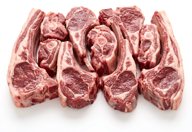 Bone-in lamb
Use the same weight; simmer 30–40 minutes longer. Less gelatine but good body.


 Tomato purée
Use 40% to 50% of the fresh tomato weight mixed with a splash of water. Imparts a deeper red colour, thicker sauce, and slightly sweeter cooked flavour.
 Plain yogurt
Use 60% of the weight, whisked smooth and added on low heat. Provides rich body and sourness, though the gravy becomes paler and creamier.


 Mace blade
Grind dried blades finely in a spice mill; use equal weight (1:1). Provides an identical, freshly aromatic, sweet-musky profile.
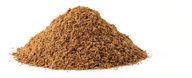 Ground nutmeg
Use 75% to 80% of the weight. Derived from the seed of the same tree, it shares the flavour profile but is heavier, sweeter, and more pungent.
- Ground cinnamon (cassia)
Use 50% of the weight. Adds warming sweetness, but lacks mace's savoury, elegant floral notes.


 Coriander leaf
Use equal weight, chopped fresh and stirred in off the heat or used as garnish. Matches the citrus-herbal profile identically.
 Mint
Use 40% to 50% of the weight; chop finely and add at the very end. Adds fresh herbal brightness, but shifts the aroma toward cool menthol.


Similar dishes

- Same: Bhuna Gosht (II) also features slow-cooked lamb seasoned with ginger, garlic, chilli powder, and whole spices like cinnamon, clove, bay leaf, and black cardamom.
- Different: Bhuna Gosht (II) pan-roasts the meat in vegetable oil with cumin, turmeric, and a heavy onion base, omitting this dish's tomatoes, saffron, and mace.

- Same: Both are slow-braised lamb curries seasoned with saffron, mace, cinnamon, cloves, bay leaves, coriander, chilli powder, ginger, and garlic.
- Different: Shahi Qorma is enriched with ghee and uses a yogurt and onion base instead of tomatoes, omitting black cardamom while introducing green cardamom, garam masala, and floral water.

- Same: Dahi ka Keema shares with this dish lamb, onion, ginger and garlic pastes, black cardamom, clove, bay leaf, mace, chilli powder and coriander, and both are slow-simmered curries.
- Different: Dahi ka Keema uses minced lamb simmered in yoghurt with ghee, peanut oil, green chilli and garam masala, while this dish braises lamb shanks with tomato, paprika, saffron and ground coriander in oil.

- Same: Kundan Kaliya also braises tender lamb using saffron, mace, cinnamon, cloves, ginger, garlic, and chilli powder.
- Different: Kundan Kaliya uses single cream, milk, turmeric, green cardamom, and a large base of onions fried in ghee, omitting this dish's tomatoes, black cardamom, and bay leaves.