Indian cooking
Indian cooking / Dishes / Mangalorean Chicken Curry
Mangalorean Chicken Curry (Chicken Curry from Mangalore)

Mangalorean Chicken Curry

Chicken Curry from Mangalore
Non-vegetarian●●●Origin CoastalPrep 30 minutesCook 40–45 minutes

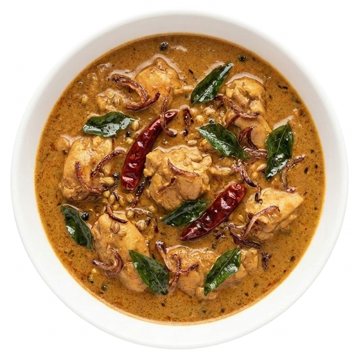
A rich South Indian chicken curry simmered in a fragrant roasted coconut gravy, coloured deep red with Kashmiri chillies and finished with smooth coconut milk.

Roasted spices for the paste

40 gBlended with roasted coconut and garlic (step 1)
01
7 g4 teaspoons
spice
02
3.7 g1 teaspoon
spice
03
27–30 g18–20 pods
spice
04
3 g1 teaspoon
spice
Blend with the coconut, garlic, and a splash of water into a smooth paste.

Everything else

01
114 g125 ml
oil/fat
02
150 g1 onion
vegetable
03
Chicken · Murghcut into pieces
1000 g
poultry
05
to taste
salt
06
350 g1 coconut
fruit
07
18 g6 cloves
aromatic

Method

  1. Place 350 g fresh coconut, 18 g garlic, the roasted spices for the paste, and a splash of water into a blender or food processor. Blend to a smooth paste and set aside.
  2. Warm 114 g vegetable oil in a large, heavy pot set over medium heat. Add 150 g onion and sauté for 3–4 minutes until lightly browned.
  3. Tumble in 1000 g chicken, lower the heat, and cook for 15 minutes, stirring occasionally.
  4. Stir in the blended spice paste, approximately half of the 254 g coconut milk (around 127 g), and salt to taste. Simmer for 15–20 minutes until the chicken is tender and thoroughly cooked.
  5. Pour in the remaining coconut milk, gently stir through, and let cook for an additional 2 minutes before taking off the heat.

Don't have something?

Vegetable oil
  • Peanut oil

    Use 1:1 by weight. Handles high-heat frying identically and introduces a very subtle, pleasant nuttiness.

  • Ghee

    Use 1:1 by weight. Yields a much richer, authentic aroma and a glossy, heavier mouthfeel.

  • Mustard oil

    Use 1:1 by weight. Heat until smoking, then cool slightly before cooking to temper its intensely pungent, sharp mustard kick.

Onion
  • Shallot

    Use equal weight, finely sliced. Shallots soften and brown faster, giving a slightly sweeter and more delicate base to curries.

  • Cabbage

    Use 80% of the weight, finely shredded and browned slowly with a pinch of asafoetida. Replicates the bulk and natural sweetness in gravies without allium.

Chicken
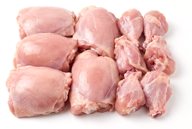
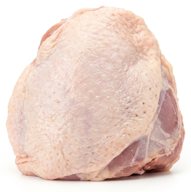
  • Turkey thigh

    Use 100% of the weight, cut into equivalent bone-in or boneless pieces. Simmer for an extra 5 to 10 minutes; flavour and texture are very similar.

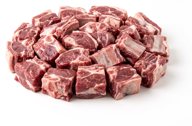
  • Lamb

    Use 100% of the weight. Cut into bite-sized pieces and extend simmering time by 35 to 50 minutes, adding extra liquid to allow the meat to tenderise.

Coconut milk
  • Single cream

    Use equal weight; simmer gently over low heat to prevent curdling. Imparts a comparable rich texture, though it adds dairy richness without any coconut fragrance.

  • Cashew paste

    Whisk 1 part cashew paste with 2 parts water to match the consistency, then use equal weight. Provides a thick, velvety body without coconut flavour.

  • Whole milk

    Use equal weight, but reduce other cooking liquids by 20% to compensate for the lower viscosity. The curry will be lighter and lack sweetness.

Fresh coconut
  • Desiccated coconut

    Use 50% to 60% of the weight, soaked in equal parts warm water for 15 minutes before grinding. Works well for chutneys, though texture is slightly finer and sweeter.

  • Coconut milk

    Use 1.2 times the weight in curries. Adds creamy richness and authentic flavour, but makes gravies smoother and eliminates the grated, chewy mouthfeel.

Coriander seeds
  • Ground coriander

    Use 75% of the weight; stir in along with wet masala or tomato purée rather than frying in hot oil, as the fine powder burns instantly.

  • Cumin seed

    Use 50% of the weight for tempering in hot oil. Lacks the floral, sweet citrus flavour of coriander, introducing warm, pungent earthiness instead.

  • Fennel seed

    Use 50% of the weight in tempering; provides pleasant aromatic sweetness, though noticeably aniseedy rather than citrusy.

Fenugreek seed
  • Mustard seed

    Use 50% of the weight, crush or grind. Sharper heat and less maple-bitter; fry briefly in oil before adding.

  • Caraway seeds

    Use the same weight, crush lightly. Similar bitter-seed note but more aniseed; reduce other sweet spices slightly.

  • Ajwain seeds

    Use 25–30% of the weight, crush. Much stronger thyme-like flavour; do not overdo.

Dried kashmiri chilli
  • Kashmiri chilli powder

    Use 1 g powder for every 1.5 g whole dried chilli; whisk with a spoonful of warm water and stir into the masala to provide identical ruby colour and mild heat.

  • Dried red chilli

    Use 35% to 40% of the weight; discard seeds before tearing into oil to temper. Delivers a much fiercer heat, with significantly less red colouring.

Ground turmeric
  • Ground ginger

    Use 50% of the weight. Mimics turmeric's warm, earthy, rhizome background, but provides none of the golden-yellow colour.

  • Saffron

    Steep a tiny pinch (0.1 g per 2 g turmeric) in 2 tbsp warm water; use to match the rich golden hue. Contributes an aristocratic, honeyed floral flavour rather than earthy bitterness.

Garlic
  • Garlic paste

    Use equal weight. Fry gently in oil or ghee with the ginger; incorporates smoothly into curries without visible minced bits.

  • Garlic powder

    Use 15% to 20% of the weight (about 1 g for every 5 to 6 g fresh cloves). Whisk into sauces; gives a savoury, toasted garlic flavour without raw pungency.


  • Shallot

    Use 1.5 times the weight, very finely minced. Sauté until golden; provides savoury allium sweetness, though it lacks garlic's pungent sulphur bite.

Similar dishes

Cha Sha
Chicken
Cha Sha tastes lighter, savoury, and mildly brothy, lacking the rich, nutty depth and roasted spice profile of this dish's coconut gravy.
  • Same: Both dishes braise chicken in vegetable oil with onion, garlic, turmeric, and chillies.
  • Different: Cha Sha adds fresh ginger to create a light broth, but it omits this dish's fresh coconut, coconut milk, coriander seeds, and fenugreek seeds.
Caril de Galinha
Goan Chicken Curry
It tastes noticeably tangier and brighter with fresh chilli heat, lacking the bitter fenugreek undertone and deep roasted coconut flavor of this dish.
  • Same: Caril de Galinha also simmers chicken in a rich gravy built on fresh coconut, coconut milk, garlic, dried Kashmiri chillies, and coriander seeds.
  • Different: It adds tamarind extract, ginger, fresh green chillies, cumin, and poppy seeds while using much less oil and omitting fenugreek seeds.
Acha Kozhi
Stuffed Chicken
Acha Kozhi is crisp, sharp, and pungent from black pepper and fresh green chillies, lacking the rich, sweet, and nutty roasted coconut flavour of this dish.
  • Same: Both recipes prepare chicken seasoned with onions, garlic, and ground turmeric using vegetable oil.
  • Different: Acha Kozhi is a stuffed whole chicken deep-fried with ginger, black pepper, curry leaves, and green chillies, omitting the fresh coconut, coconut milk, coriander, and fenugreek seeds simmered in this dish.
Kori Gassi
Chicken with Curry Leaves
Kori Gassi is milder and less deep-red than this dish, with curry-leaf and fried-onion notes instead of a roasted fresh-coconut gravy.
  • Same: Kori Gassi shares chicken, vegetable oil, coconut milk, coriander seeds, fenugreek, turmeric, and salt with this dish.
  • Different: Kori Gassi uses curry leaves, cumin, black peppercorn, garlic paste, and far more onion, but lacks this dish's fresh coconut and large amount of Kashmiri chilli.