
Karadla Igguru
A rich, tangy potato and bean curry simmered in a sweet and spiced tomato gravy, garnished with crisp chickpea flour droplets for a contrasting crunch.
Whole spices for the oil
6 gFried in the hot ghee (step 1)Everything else

Method
- Warm 180 g ghee in a skillet over medium heat. Tip in the whole spices for the oil alongside 2 g curry leaf and cook for about 1 minute until the mustard seeds begin to pop.
- Stir in 2 tbsp gram flour and fry for 1 to 2 minutes until fragrant.
- Add 600 g potato, 12 green beans, 1000 g puréed tomato, 48 g green chilli, 25.2 g granulated sugar, and 200 g chopped coriander leaf, then season with salt to taste. Lower the heat slightly and simmer for around 15 minutes until the vegetables are completely tender.
- Remove the skillet from the heat and scatter 1 cup small fried gram flour balls over the curry right before serving so they stay crunchy.
Don't have something?


 Unsalted butter
Use 120% of the weight; melt gently over low heat to avoid burning the milk solids, which will yield a softer, creamier richness rather than a nutty aroma.
 Vegetable oil
Use 85% of the weight; holds high cooking temperatures without smoking, but the final dish will lack traditional dairy depth.
 Mustard oil
Use equal weight; heat to smoking point and cool slightly before cooking, bearing in mind it introduces an assertive, pungent edge.


 Black mustard seed
Use the same weight. The seeds are smaller and hotter; fry in hot oil until they pop, about 20–30 seconds, and reduce the heat if they darken too fast. The dish will be a little sharper.
 Yellow mustard seeds
Use the same weight. They are milder and larger; fry a few seconds longer until they pop. The finished dish will have less pungency.
 Ground mustard seed
Use 70% of the weight of whole seed, added with the other ground spices rather than fried whole. You lose the popping texture and the heat comes through more evenly.


- Mustard seed
Use 50% of the weight, crush or grind. Sharper heat and less maple-bitter; fry briefly in oil before adding.
 Caraway seeds
Use the same weight, crush lightly. Similar bitter-seed note but more aniseed; reduce other sweet spices slightly.
 Ajwain seeds
Use 25–30% of the weight, crush. Much stronger thyme-like flavour; do not overdo.


 Ground cumin
Use 70% of the weight; add with ground spices or sauce bases rather than hot oil tempering, where it scorches quickly and turns bitter.
 Black cumin seeds
Use equal weight for oil tempering. Delivers an earthy profile with an additional musky, smoky, and slightly bitter edge.
 Fennel seed
Use 60% of the weight for tempering; offers comparable warm aroma, but leans sweet and liquorice-like rather than savoury and earthy.


 Bay leaf
Fry 1 bay leaf for every 5 curry leaves in hot oil; imparts a warm, woodsy background note, but misses the citrus-sulphury punch entirely.
 Lime juice
Add a small squeeze (about 5 ml per sprig of curry leaves) right before serving; provides sharp citrus top notes without the toasty, herbal aroma.


 Chickpea flour
Use the same weight. Gram flour is chickpea flour, so this is an exact swap with the same nutty flavour and binding.
 Plain flour
Use about 75–80% of the weight, e.g. 80 g for 100 g gram flour, and add a pinch of turmeric for colour. Less nutty and less crisp; good only for thickening or simple batters.
 Rice flour
Use the same weight for crispness, but it does not bind like gram flour; mix with a little plain flour if making pakora batter.



 Eggplant
Use equal weight. Cut into large chunks; cooks down much faster (10-12 minutes) and softens into the sauce rather than staying starchy and firm.
 Paneer
Use 80% of the weight. Cube and add in the last 5-10 minutes of cooking; adds rich dairy protein instead of starchy bulk.
 Dried chickpea
Use 45% dry weight. Soak overnight and boil until fully soft before stirring into the sauce to simmer for 10 minutes.



 French bean
Use the same weight, top and tail; same result.
 French green bean
Use the same weight; same result.
 Cluster bean
Use the same weight, cut into lengths; firmer and earthier, cook slightly longer.


 Tomato purée
Use 40% to 50% of the fresh tomato weight mixed with a splash of water. Imparts a deeper red colour, thicker sauce, and slightly sweeter cooked flavour.
 Plain yogurt
Use 60% of the weight, whisked smooth and added on low heat. Provides rich body and sourness, though the gravy becomes paler and creamier.


 Chilli powder
Use 10 to 15% of the weight (about 1/4 teaspoon per chilli); imparts dry pungent heat and reddens the dish without the grassy crunch.
 Dried red chilli
Use 1 dried pod per fresh green chilli; snap in half and temper in hot oil for a deeper, toastier heat.


 Jaggery
Use equal weight; grate or shave finely so it dissolves rapidly, giving a warm, caramel-like sweetness and slightly darker sauce.


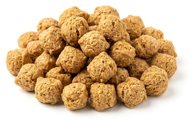 Dried lentil dumplings
Use the same weight; crush or soak as the recipe directs, and fry if the recipe expects crisp pieces.
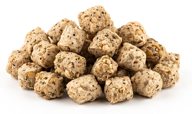 Black gram dumplings
Use the same weight; fry or soak until soft according to the recipe, as it is denser than gram flour balls.
 Kashmiri vadi
Use the same weight; soak in warm water if firm, then squeeze and add as directed.

Similar dishes

- Same: Aloo Tamatar ka Chokha also relies on a base of potatoes and tomatoes seasoned with cumin seeds and green chillies.
- Different: Instead of being simmered into a ghee-based curry with fenugreek and curry leaves, it is prepared as a mash using charred tomatoes, ginger, and pungent mustard oil without sugar.

- Same: Both dishes feature potatoes simmered with tomatoes, green chillies, curry leaves, fenugreek, cumin, and chickpea flour.
- Different: Sindhi Karhi is cooked in vegetable oil using tamarind extract, ginger, asafoetida, and dried red chillies with chickpea flour roasted directly into the broth, whereas this dish uses ghee, mustard seeds, sugar, fresh coriander, and fried chickpea flour droplets.

- Same: Aloo Tamatar also simmers potatoes in a base of stewed tomatoes seasoned with green chillies.
- Different: Aloo Tamatar cooks in mustard oil rather than ghee, uses dried red chillies, coriander seeds, turmeric, and asafoetida instead of cumin, fenugreek, and curry leaves, and omits the sugar and chickpea flour droplets.

- Same: Batata Vada and this dish both use potato, cumin seed, curry leaf, green chilli, chickpea or gram flour, coriander, and salt.
- Different: Batata Vada is deep-fried mashed potato balls in a chickpea-flour batter with garlic, asafoetida, turmeric, Kashmiri chilli, and lemon juice, while this dish is a simmered potato and green bean curry in tomato gravy with ghee, mustard seed, fenugreek, sugar, and fried gram flour droplets.