
Aloo Tamatar ka Chokha
A rustic, smoky Bihari mash of tender potatoes and charred tomatoes pungent with raw mustard oil, fresh ginger, and green chillies. It is savoury, earthy, and boldly spiced with a sharp, tangy kick.
Ground spices for the potato
0.7 gMixed into the mashed potatoes (step 2)Tempering spices
1.1 gFried in the hot oil (step 5)Everything else

Method
- Place 250 g potato into a large pan of boiling water and cook for roughly 20 minutes until completely tender. Drain, allow to cool slightly, and peel off the skins.
- Transfer the peeled potatoes to a wide mixing bowl. Add 24 g green chilli, 12 g ginger, the ground spices for the potato, 13.5 g mustard oil, and salt to taste. Mash and knead thoroughly by hand until evenly combined.
- Char 480–720 g tomato over an open gas flame for several minutes until the skin is blistered and blackened all over (alternatively, blanch in boiling water for 30 seconds, then refresh in cold water). Peel off the skins, place the tomato flesh into a bowl, and crush with a spoon.
- Mound the spiced potato mixture in the centre of a serving dish and arrange the crushed tomatoes neatly around the edge. Scatter 1 g coriander over the top to garnish.
- For the optional tempering, warm 9 g vegetable oil in a small pan over medium heat. Add the tempering spices and sizzle for about 1 minute until fragrant and spluttering, then pour the hot spiced oil immediately over the mash.
Don't have something?

 Eggplant
Use equal weight. Cut into large chunks; cooks down much faster (10-12 minutes) and softens into the sauce rather than staying starchy and firm.
 Paneer
Use 80% of the weight. Cube and add in the last 5-10 minutes of cooking; adds rich dairy protein instead of starchy bulk.
 Dried chickpea
Use 45% dry weight. Soak overnight and boil until fully soft before stirring into the sauce to simmer for 10 minutes.


 Chilli powder
Use 10 to 15% of the weight (about 1/4 teaspoon per chilli); imparts dry pungent heat and reddens the dish without the grassy crunch.
 Dried red chilli
Use 1 dried pod per fresh green chilli; snap in half and temper in hot oil for a deeper, toastier heat.


 Fresh ginger
Use equal weight; scrape off the skin and grate or finely julienne according to the recipe.
 Ginger paste
Use equal weight; stir straight into the sizzling aromatics, taking care as the extra moisture may spit.
 Ground ginger
Use 15 to 20% of the weight; add alongside ground spices, noting it imparts warm, dry heat rather than zesty freshness.


 Red chilli powder
Use 100% of the weight. Provides direct, sharp heat and red colour in equal measure.
 Kashmiri chilli powder
Use 150% to 200% of the weight if matching colour, but add a pinch of black pepper or hot chilli if you need equivalent fiery heat.
 Cayenne pepper
Use 75% to 100% of the weight. Offers a sharp, clean heat with slightly less earthy depth and less crimson colour.


 Peanut oil
Use equal weight. It handles high-heat cooking well, but lacks the signature pungent, nasal heat of mustard oil.
 Vegetable oil
Use equal weight. Neutral in flavour, so your curry will lack the characteristic Bengali or North Indian pungent punch.


 Tomato purée
Use 40% to 50% of the fresh tomato weight mixed with a splash of water. Imparts a deeper red colour, thicker sauce, and slightly sweeter cooked flavour.
 Plain yogurt
Use 60% of the weight, whisked smooth and added on low heat. Provides rich body and sourness, though the gravy becomes paler and creamier.


 Coriander leaf
Use equal weight, chopped fresh and stirred in off the heat or used as garnish. Matches the citrus-herbal profile identically.
 Mint
Use 40% to 50% of the weight; chop finely and add at the very end. Adds fresh herbal brightness, but shifts the aroma toward cool menthol.


- Peanut oil
Use 1:1 by weight. Handles high-heat frying identically and introduces a very subtle, pleasant nuttiness.
 Ghee
Use 1:1 by weight. Yields a much richer, authentic aroma and a glossy, heavier mouthfeel.
- Mustard oil
Use 1:1 by weight. Heat until smoking, then cool slightly before cooking to temper its intensely pungent, sharp mustard kick.


 Ground cumin
Use 70% of the weight; add with ground spices or sauce bases rather than hot oil tempering, where it scorches quickly and turns bitter.
 Black cumin seeds
Use equal weight for oil tempering. Delivers an earthy profile with an additional musky, smoky, and slightly bitter edge.
 Fennel seed
Use 60% of the weight for tempering; offers comparable warm aroma, but leans sweet and liquorice-like rather than savoury and earthy.


Similar dishes

- Same: Aloo Tamatar shares the same base of potatoes and tomatoes, flavoured with mustard oil, green chillies, and chilli powder.
- Different: Rather than a mash seasoned with ginger, cumin seeds, and charred tomatoes, Aloo Tamatar is a simmered curry made with far more mustard oil, dried red chillies, coriander seeds, turmeric, and asafoetida.
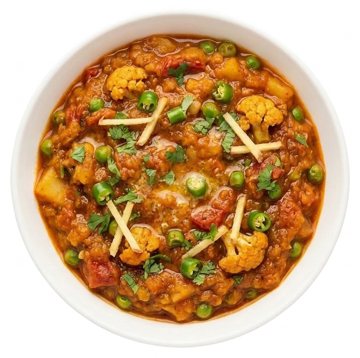
- Same: Both dishes center on a mashed base of potatoes and tomatoes seasoned with ginger, green chillies, and chilli powder.
- Different: Pao Bhaji is cooked on a griddle with generous amounts of butter, garam masala, and ground coriander, omitting the raw mustard oil and charred tomatoes used in this dish.
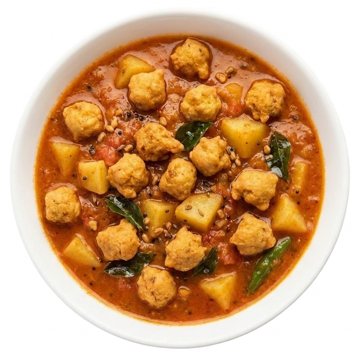
- Same: Both dishes rely on a base of potatoes and tomatoes seasoned with cumin seeds and green chillies.
- Different: Karadla Igguru is a simmered curry cooked in ghee with fenugreek seeds, curry leaves, sugar, and crisp chickpea flour balls, whereas this dish is a rustic mash flavoured with ginger and raw mustard oil.

- Same: Aloo ke Kebab also uses mashed potatoes seasoned with cumin seeds, green chillies, and chilli powder.
- Different: Aloo ke Kebab omits the tomatoes, ginger, and pungent mustard oil, binding the potatoes with chickpea flour and lemon juice to be shaped into patties and shallow-fried in vegetable oil instead of served as a mash.