Indian cooking
Indian cooking / Dishes / Kachche Kele ke Kofte
Kachche Kele ke Kofte (Spicy Green Banana Balls in Sauce)

Kachche Kele ke Kofte

Spicy Green Banana Balls in Sauce
Vegetarian●●●Origin HyderabadPrep 40 minutesCook 15–18 minutes

Crisp fried green banana dumplings served in a mildly sweet, aromatic coconut, yoghurt, and green pea gravy.

Kofta spice

4.5 gMashed into the boiled bananas (step 2)
01
4.5 g1½ teaspoons
spice
Keep as ground powder ready to mix into the kofta base.

Paste spices

8 gBlended into the spice paste (step 4)
01
2.1 g1 teaspoon
spice
02
5 g1 tablespoon
spice
Keep whole ready to grind with the coconut, chillies, and sugar.

Tempering seeds

2.1 gFried in the hot ghee (step 5)
01
2.1 g1 teaspoon
spice
Keep whole for blooming in the hot fat.

Ground cumin for the sauce

2.6 gMixed with water and added to the bloomed seeds (step 5)
01
2.6 g1 teaspoon
spice
Keep as ground powder ready to mix with water.

Everything else

01
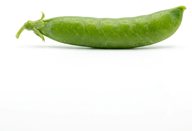
Pea · Matarshelled if fresh
400 g
vegetable
03
12 g2 tablespoons
flour
04
Vegetable oil · Telfor deep-frying
114 g125 ml
oil/fat
05
14 g1 tablespoon
oil/fat
07
~1 g1 sprig
herb
08
to taste
salt
09
80 g
fruit
10
24–36 g4–6 chillies
vegetable
11
25 g2 tablespoons
sweetener

Method

  1. Boil 400 g peas in a pan of water for 5 to 7 minutes until tender. Drain, return them to the pan, crush thoroughly with a masher, and set aside.
  2. Boil 500 g green bananas in boiling water for 5 to 7 minutes. Drain, leave until cool enough to handle, and peel. Transfer the flesh to a mixing bowl, mash until smooth, and combine with the kofta spice, 3 tablespoon green chilli paste, 1.5 tablespoon garam masala, 2 tablespoon chickpea flour, and salt to taste. Shape the mixture into equal-sized rounds or small cylinders.
  3. Heat 114 g vegetable oil in a deep, heavy pan or kadhai to 180°C (350°F), then turn down the heat slightly. Fry the koftas in batches for 1 to 2 minutes until crisp and golden brown all over. Lift out with a slotted spoon and drain on paper towels.
  4. In a blender or food processor, combine the paste spices with 80 g grated coconut, 24–36 g green chilli, and 25.2 g granulated sugar. Grind to a smooth paste. In a small cup, stir the ground cumin for the sauce with 2 tablespoons of water.
  5. Warm 13.5 g vegetable oil or ghee in a frying pan over medium heat. Add the tempering seeds and fry for 1 minute until popping. Pour in the cumin slurry and cook for 2 minutes. Take the pan off the heat and gradually whisk in 250 g whisked yoghurt.
  6. Set the pan back over the heat, stir in the mashed peas along with the spice paste, and cook for 2 minutes. Pour in 250 ml water, bring to a boil, then drop the heat and simmer gently for 2 minutes. Carefully slip the fried koftas into the gravy and simmer for 2 minutes. Stir in 1 g chopped coriander, take off the heat, and adjust salt to taste.

Don't have something?

Pea
  • Green pea

    Use equal weight directly from fresh or frozen. Toss into the pan near the end of cooking to preserve sweetness and bright green colour.

  • Chana dal

    Use 70% of the weight, boiled until tender but holding shape. Adds pleasant body and starch, though it lacks the juicy sweetness of fresh peas.

Unripe green banana
  • Raw banana

    Use the same weight; peel and boil until tender. It behaves almost identically.

  • Green plantain

    Use the same weight; peel and cook a little longer. It is firmer and starchier.

  • Potato

    Use the same weight; cut to the same size. It is softer and less starchy, so the dish loses some body.

Ground turmeric
  • Ground ginger

    Use 50% of the weight. Mimics turmeric's warm, earthy, rhizome background, but provides none of the golden-yellow colour.

  • Saffron

    Steep a tiny pinch (0.1 g per 2 g turmeric) in 2 tbsp warm water; use to match the rich golden hue. Contributes an aristocratic, honeyed floral flavour rather than earthy bitterness.

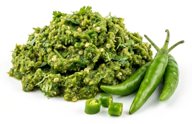
Green chilli paste
  • Green chilli

    Use the same weight, deseed if wanted, and grind with 1 tbsp water; fresher and brighter.

  • Chilli paste

    Use the same weight; may be red and hotter, so adjust.

  • Red chilli paste

    Use 75–80% of the weight; changes colour and heat.

Kashmiri garam masala
  • Garam masala

    Use 75–80% of the weight; add at the same stage. More pungent and less aromatic, so taste before adding more.

  • Ground garam masala

    Use 75–80% of the weight; stir in off the heat. Finer powder, so it releases aroma quickly.

  • Ground cardamom and mace

    Use 20–25% of the weight alongside garam masala for aroma; it lacks the full spice profile.

Chickpea flour
  • Yellow split pea flour

    Use 100% of the weight. Many commercial gram flours are milled from split peas; performs identically in pakora batters and kadhi.

  • Cornstarch

    For crisping batters or binding cutlets: use 50% to 60% of the weight. Produces a very crisp shell but lacks the earthy, roasted nutty flavour of besan.

Vegetable oil
  • Peanut oil

    Use 1:1 by weight. Handles high-heat frying identically and introduces a very subtle, pleasant nuttiness.

  • Ghee

    Use 1:1 by weight. Yields a much richer, authentic aroma and a glossy, heavier mouthfeel.

  • Mustard oil

    Use 1:1 by weight. Heat until smoking, then cool slightly before cooking to temper its intensely pungent, sharp mustard kick.

Ghee or vegetable oil
  • Peanut oil

    Use equal weight; handles high tempering heat well and keeps flavours neutral.

  • Butter

    Use equal weight; cook over gentle heat to prevent browning the milk solids too quickly.

Ground cumin
  • Cumin seed

    Dry-roast briefly and grind finely; use equal weight (1:1). Imparts an even punchier, nuttier, toasty aroma than pre-ground cumin.

  • Ground coriander

    Use equal weight (1:1). Adds mild, lemony sweetness rather than cumin's smoky, earthy bite; curries will taste lighter and less savoury.

  • Black cumin seeds

    Grind finely; use 60% to 75% of the weight. Produces a darker, more complex, smoky-herbal flavour suited to rich gravies.

Cumin seed
  • Ground cumin

    Use 70% of the weight; add with ground spices or sauce bases rather than hot oil tempering, where it scorches quickly and turns bitter.

  • Black cumin seeds

    Use equal weight for oil tempering. Delivers an earthy profile with an additional musky, smoky, and slightly bitter edge.

  • Fennel seed

    Use 60% of the weight for tempering; offers comparable warm aroma, but leans sweet and liquorice-like rather than savoury and earthy.

Hung yoghurt
  • Hung natural yoghurt

    Use the same weight. The names are used interchangeably; check seasoning.

  • Greek yoghurt

    Use the same weight. It is thick enough for marinades and raitas, with a slightly sharper taste.

  • Full-fat natural yoghurt

    Use about 175% of the weight and strain through muslin for 3–4 hours to get the same thick weight.

Coriander leaf
  • Coriander

    Use equal weight finely chopped; this is the exact same fresh herb.

  • Mint

    Use half the weight finely chopped; provides vibrant green freshness, though the flavour profile becomes noticeably cooler and sharper.

Ground coriander
  • Coriander seeds

    Dry-roast lightly in a pan and grind to a fine powder; use equal weight (1:1). Offers a noticeably fresher, brighter citrus note.

  • Ground cumin

    Use 50% to 75% of the weight. Lacks the floral, citrusy profile of coriander and turns the gravy heavier, earthier, and darker.

  • Garam masala

    Use 50% of the weight and stir in near the end of cooking. Adds warmth and depth since it contains ground coriander, but introduces stronger spices like clove and cinnamon.


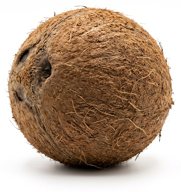
Coconut
  • Fresh coconut

    Use equal weight freshly grated or diced. Delivers the identical sweet, milky taste and juicy texture.

  • Desiccated coconut

    Use 60% of the weight and soak in hot water or milk for 15 minutes before using. The finished dish will be slightly sweeter and less fibrous.

  • Dried coconut

    Finely grate and use 50% of the weight, soaked in hot water for 20 minutes. Yields a firmer chew and a denser, oilier coconut aroma.

Green chilli
  • Chilli powder

    Use 10 to 15% of the weight (about 1/4 teaspoon per chilli); imparts dry pungent heat and reddens the dish without the grassy crunch.

  • Dried red chilli

    Use 1 dried pod per fresh green chilli; snap in half and temper in hot oil for a deeper, toastier heat.

Granulated sugar
  • Jaggery

    Use equal weight; grate or shave finely so it dissolves rapidly, giving a warm, caramel-like sweetness and slightly darker sauce.

Similar dishes

Artikai Vepudu
Savoury Bananas
Artikai Vepudu is purely savoury and earthy with mild heat, lacking the sweet and tangy richness of this dish.
  • Same: Artikai Vepudu also pairs green bananas with chickpea flour, coconut, vegetable oil, ground coriander, and turmeric.
  • Different: Artikai Vepudu is a dry stir-fry seasoned with chilli powder, omitting the cumin, Kashmiri garam masala, sugar, and yoghurt gravy used in this dish.
Kele ke Dahi Bare
Green Banana Dumplings in Yoghurt
Kele ke Dahi Bare tastes tangier, cooler, and milder, lacking the warm, aromatic spices and pronounced sweetness of this dish.
  • Same: Kele ke Dahi Bare also uses fried green banana dumplings seasoned with green chillies and ground cumin and served with yogurt.
  • Different: Kele ke Dahi Bare fries the patties in ghee and serves them cold in plain yogurt, omitting this dish's chickpea flour, turmeric, coriander powder, Kashmiri garam masala, and warm cooked coconut gravy.
Artikai Pachadi
Bananas in Spicy Yoghurt Sauce
Artikai Pachadi is cooler and more tart, whereas this dish is richer, spiced with garam masala, and mildly sweet from coconut and sugar.
  • Same: Both dishes combine green bananas with yoghurt, green chillies, turmeric, and vegetable oil.
  • Different: Artikai Pachadi uses boiled bananas folded into yoghurt tempered with mustard seeds, lentils, and ginger, lacking the chickpea-flour frying, coconut, and ground cumin of this dish.
Artikai Kura
Curried Bananas with Coconut
Artikai Kura tastes dry, savoury, and mildly hot with sweet coconut and clove warmth, while this dish tastes like a mildly sweet, aromatic yoghurt-coconut gravy with chilli heat and fried dumplings.
  • Same: Artikai Kura shares with this dish unripe green banana, green chilli, turmeric, coconut, a little gram or chickpea flour, salt, and vegetable oil or ghee.
  • Different: Artikai Kura is a dry stir-fry with onion, garlic paste, clove, and desiccated coconut, while this dish is a yoghurt-and-coconut gravy with green peas, sugar, cumin, coriander, garam masala, and fried green banana dumplings.