Indian cooking
Indian cooking / Dishes / Jhinga Nariyal ka Pulao
Jhinga Nariyal ka Pulao (Coconut & Prawn (Shrimp) Pulao)

Jhinga Nariyal ka Pulao

Coconut & Prawn (Shrimp) Pulao
Non-vegetarianOrigin HyderabadPrep 35 minutes, plus soaking timeCook 40 minutes

A fragrant baked rice dish infused with fresh coconut milk, green herbs, and succulent prawns gently spiced with cinnamon and cloves.

Marinade aromatics

16 gBlended into the herb marinade (step 2)
Keep as pastes to blend with the fresh chillies and herbs.

Whole spices

3 gSizzled in the hot oil (step 4)
01
2.6 g2 pieces
spice
02
0.4 g5 cloves
spice
Leave whole to infuse the cooking fat.

Ground chilli

2.6 gStirred into the softening onions (step 4)
01
2.6 g1 teaspoon
spice
Keep as a ground powder.

Everything else

01
500 g
grain
02
Green chilli · Hari Mirchde-seeded (optional)
60 g10 chillies
vegetable
03
~100 g1 bunch
herb
04
30 g1 lime
souring agent
05
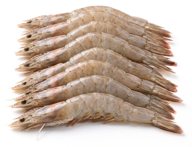
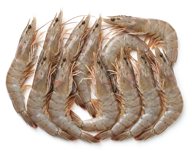
Prawn · Jhingapeeled and deveined
500 g
seafood
06
400 g1 coconut
fruit
08
300 g2 onions
vegetable
09
to taste
salt

Method

  1. Preheat the oven to 140°C / 275°F. Cover 500 g rice with water to soak for 20 minutes, then drain thoroughly.
  2. Put the marinade aromatics (5.2 g ginger paste and 10.4 g garlic paste) into a blender along with 60 g green chilli and 100 g coriander leaf. Puree until smooth, then stir in 1 lime juice. Coat 500 g prawns in this marinade, cover, and chill in the refrigerator for 15 minutes.
  3. Place 400 g coconut in a bowl with 250 ml hot water. Strain through a fine sieve into another bowl, pressing firmly to extract the thick cream, then stir in 1 litre water and set aside.
  4. Heat 125 g ghee or vegetable oil in a large pan over medium heat. Add the whole spices and fry for a few seconds until fragrant. Stir in 300 g onion and the ground chilli, cooking for 2 to 3 minutes until the onions soften.
  5. Tip the marinated prawns into the pan and sauté for roughly 3 minutes.
  6. Pour the diluted coconut milk into an ovenproof pot and bring to a boil. Add the drained rice and simmer for about 15 minutes until partially cooked, roughly two-thirds done.
  7. Gently mix the sautéed prawns into the rice and season with salt to taste. Cover with a tight lid and bake in the oven for 15 minutes until the grains are tender and the liquid is absorbed.

Don't have something?

Long-grain rice
  • Basmati rice

    Use the same weight; rinse and soak 20 minutes; similar cook but more aromatic and separate grains.

  • Plain rice

    Use the same weight; adjust water to your rice; less aromatic, may be stickier.

  • Parboiled rice

    Use the same weight; soak 20 minutes and cook 5–10 minutes longer; firmer and nuttier.

Ginger paste
  • Fresh ginger

    Use equal weight; peel and grate very finely on a microplane or pound to a fine paste in a mortar.

  • Ginger

    Use equal weight; mince finely and crush with the flat of a knife before frying.

  • Ground ginger

    Use 20% of the weight; add directly with the dry spice powders, though it yields an earthier, less pungent profile.

Garlic paste
  • Garlic

    Use equal weight; crush or finely grate to a smooth pulp to replicate the same fresh, pungent moisture in your base gravy.

  • Garlic powder

    Use 20 to 25% of the weight; mix with a teaspoon of water before adding to oil so it does not burn, noting it lacks the fresh bite.

Green chilli
  • Chilli powder

    Use 10 to 15% of the weight (about 1/4 teaspoon per chilli); imparts dry pungent heat and reddens the dish without the grassy crunch.

  • Dried red chilli

    Use 1 dried pod per fresh green chilli; snap in half and temper in hot oil for a deeper, toastier heat.

Coriander leaf
  • Coriander

    Use equal weight finely chopped; this is the exact same fresh herb.

  • Mint

    Use half the weight finely chopped; provides vibrant green freshness, though the flavour profile becomes noticeably cooler and sharper.

Lime juice
  • Lemon juice

    Use equal volume or weight; slightly sweeter and less pungent, but otherwise an imperceptible swap.

  • Dried mango powder

    Use 25% of the weight; imparts dry, fruity sourness, best stirred in right at the end of cooking.

  • Tamarind extract

    Use 50% of the weight; delivers pleasant fruity tang but turns pale sauces considerably darker.

Prawn
  • King prawn

    Use the same weight; cut large ones into 2 cm pieces. Sweeter and firmer; cook 1–2 minutes longer.

  • Firm white fish fillet

    Use the same weight, cut into chunks. Add 3–4 minutes later; milder and less sweet, and it flakes easily.

  • Small prawn

    Use the same weight; they cook faster, so add 2 minutes later. More numerous and slightly sweeter.

Coconut
  • Fresh coconut

    Use equal weight freshly grated or diced. Delivers the identical sweet, milky taste and juicy texture.

  • Desiccated coconut

    Use 60% of the weight and soak in hot water or milk for 15 minutes before using. The finished dish will be slightly sweeter and less fibrous.

  • Dried coconut

    Finely grate and use 50% of the weight, soaked in hot water for 20 minutes. Yields a firmer chew and a denser, oilier coconut aroma.

Ghee or vegetable oil
  • Peanut oil

    Use equal weight; handles high tempering heat well and keeps flavours neutral.

  • Butter

    Use equal weight; cook over gentle heat to prevent browning the milk solids too quickly.

Cassia bark
  • Ceylon cinnamon

    True cinnamon: thinner, papery quills, milder and sweeter. Use about 1.5 times the weight, and taste.

  • Ground cinnamon (cassia)

    Use about a third of the weight (0.5 g ground for a 2.5 cm piece), stirred in with the ground spices rather than fried whole, since the powder burns quickly.

  • Cassia buds

    Use 60-70% of the weight; stronger and more peppery, so taste before adding more.

Clove
  • Ground cloves

    Use 1 g ground for 4 g whole (or 1 small pinch per 2 to 3 whole cloves). Add with spice powders; disperses intense warmth quickly, so use with restraint.

  • Allspice berries

    Use 100% of the weight whole in tempering. Imparts a warm, clove-like aromatic profile combined with hints of nutmeg and cinnamon.

  • Black cardamom pod

    Use 1 pod for 3 to 4 cloves in whole tempering. Shares a camphor-like warmth and medicinal depth, though it introduces a distinct smoky undertone.

Onion
  • Shallot

    Use equal weight, finely sliced. Shallots soften and brown faster, giving a slightly sweeter and more delicate base to curries.

  • Cabbage

    Use 80% of the weight, finely shredded and browned slowly with a pinch of asafoetida. Replicates the bulk and natural sweetness in gravies without allium.


Chilli powder
  • Red chilli powder

    Use 100% of the weight. Provides direct, sharp heat and red colour in equal measure.

  • Kashmiri chilli powder

    Use 150% to 200% of the weight if matching colour, but add a pinch of black pepper or hot chilli if you need equivalent fiery heat.

  • Cayenne pepper

    Use 75% to 100% of the weight. Offers a sharp, clean heat with slightly less earthy depth and less crimson colour.

Similar dishes

Chemeen Kari
Home-style Prawn (Shrimp) Curry
Chemeen Kari tastes tarter, earthier, and more pungent from turmeric and cambodge, lacking the buttery richness and sweet whole-spice aroma of this dish.
  • Same: Chemeen Kari also pairs prawns with fresh coconut, ginger, and green chillies.
  • Different: Chemeen Kari is a stovetop sauced curry made with shallots, turmeric, ground coriander, curry leaves, and cambodge, omitting this dish's rice, garlic, onions, cinnamon, cloves, lime juice, and ghee.
Veinchana Royyaalu
Curried Prawns (Shrimp)
Veinchana Royyaalu tastes sharper and more acidic from lime and tomato, with direct chilli heat and warm spice, while this dish tastes coconut-rich and aromatic with rice.
  • Same: Veinchana Royyaalu shares prawns, onion, ginger paste, garlic paste, lime juice, chilli powder, cloves, and salt with this dish.
  • Different: Veinchana Royyaalu adds tomatoes, turmeric, ground coriander, green cardamom, and aniseed, uses vegetable oil, and is a simmered curry, while this dish uses rice, coconut, ghee or oil, coriander leaf, cinnamon stick, and baking.
Bheja
Sheep's Brains with Coconut Milk
Bheja is richer, creamier, and milder, lacking the sharp chilli powder heat and sour lime tang of this dish.
  • Same: Bheja shares a base of coconut, ghee, onions, fresh coriander, green chillies, ginger, garlic, cinnamon, and cloves with this dish.
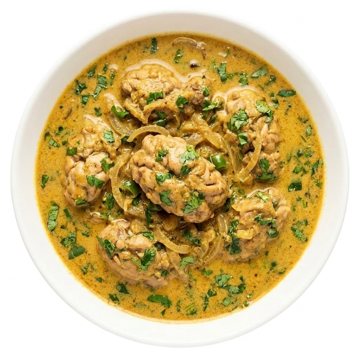
  • Different: Instead of baking prawns and rice with lime juice and chilli powder, Bheja simmers sheep's brains into a gravy using dairy milk, cardamom, and turmeric.
Jhingri Machher Malikari
Prawns (Shrimp) in Coconut Sauce
It tastes like a mildly spiced, coconut-rich gravy with savoury spices and crisp fried onions, while this dish is a fragrant herb-and-lime rice with cinnamon-clove prawns.
  • Same: Jhingri Machher Malikari shares prawns, coconut, onion, chilli powder and salt with this dish.
  • Different: It uses mustard oil, ground turmeric, coriander, cumin and sugar, and it is a simmered coconut gravy served with steamed rice, not a baked rice pulao with ginger-garlic paste, lime juice, coriander leaf, cinnamon and cloves.