Indian cooking
Indian cooking / Dishes / Haraa Paneer Tikka
Haraa Paneer Tikka ()

Haraa Paneer Tikka

Vegetarian

Haraa paneer tikka is paneer and vegetable cubes coated in a green herb-yoghurt marinade, then oven-cooked until charred at the edges. It tastes fresh and herby with a mild chilli heat and a smoky finish.

Marinade garam masala

1.3 gBlended into the green yoghurt marinade (step 5)
01
1.3 g½ teaspoon
spice blend
Add it to the blender with the herbs, yoghurt and salt; blend to a smooth paste.

Everything else

01
Paneercut into 10cm cubes
450 g
dairy
02
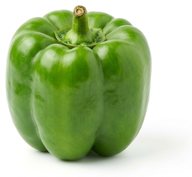
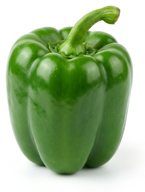
120 g1 pepper
vegetable
03
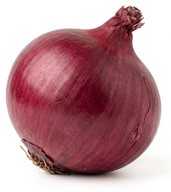
Red onion · Pyazcut into 10cm cubes
150 g1 onion
vegetable
04
Butter · Makhanmelted for basting
to taste
dairy
06
27 g2 tablespoons
oil/fat
07
12 g2 tablespoons
flour
10
6 g2 cloves
aromatic
11
1.5 g1 chilli
vegetable
12
45 g3 tablespoons
dairy
13
to taste
salt

Method

  1. Heat the oven to 200°C/400°F.
  2. Soak 3–4 wooden skewers in water.
  3. Warm 27 g vegetable oil in a frying pan over low heat.
  4. Stir in 12 g chickpea flour until smooth, cook for 2 minutes on low until it smells nutty, then set aside to cool.
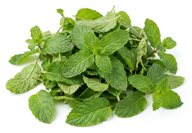
  5. Blend 40 g coriander leaf, 40 g mint leaf, 6 g garlic, 2 g green bird’s eye chilli, 45 g Greek yoghurt, salt and the marinade garam masala to a smooth paste, adding 1–2 tbsp water if needed.
  6. Stir the cooled gram flour paste into the marinade.
  7. Add 450 g paneer, 120 g green bell pepper and 150 g red onion to the marinade, mix well and leave for up to 1 hour.
  8. Thread the paneer and vegetables alternately onto the soaked skewers.
  9. Brush with melted butter and bake on a baking sheet at 200°C/400°F for 8–10 minutes, until the paneer is soft and charred at the edges.
  10. Sprinkle 25 g lemon juice or chaat masala powder over the skewers.

Don't have something?

Paneer
  • Extra-firm tofu

    Use equal weight, pressed well to remove excess moisture and cut into cubes. Pan-fry lightly before adding; absorbs sauces similarly, though it lacks dairy sweetness.

  • Halloumi

    Use equal weight, soaked in warm water for 20 minutes to leach out excess salt. Holds shape during frying, but has a denser, saltier chew.

Green bell pepper
  • Bell pepper

    Use the same weight, deseeded and diced; colour may change but flavour is similar.

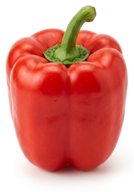
  • Red bell pepper

    Use the same weight; sweeter and more colourful.

  • Yellow bell pepper

    Use the same weight; milder and sweeter.

Red onion
  • Onion

    Use the same weight; cook a little longer. Milder and less sweet when raw.

  • Shallot

    Use the same weight; sweeter and softer, so reduce cooking time slightly.

  • Spring onion

    Use only the white parts, weight for weight, for raw or quick-cooked dishes; green parts are too grassy for long cooking.

Butter
  • Unsalted butter

    Use 100% of the weight. If the original recipe relies on salted table butter, add a pinch of salt to balance.

  • Ghee

    Use 80% to 85% of the weight. Ghee is pure butterfat with moisture removed; it yields a deeper, nuttier flavour and handles high heat better.

  • Vegetable oil

    Use 80% of the weight for frying or tempering. The dish loses sweet dairy richness but remains glossy and light.

Lemon or chaat masala powder
  • Chaat masala

    Use the same weight when the recipe allows chaat masala; it adds tang and a salty-spicy note.

  • Lemon juice

    For 5 g chaat masala powder use about 15 ml lemon juice; add at the end so the freshness stays.

  • Dried mango powder

    Use 3 g amchoor for 5 g chaat masala; it gives sourness but not the full salty-spicy chaat flavour.

Vegetable oil
  • Peanut oil

    Use 1:1 by weight. Handles high-heat frying identically and introduces a very subtle, pleasant nuttiness.

  • Ghee

    Use 1:1 by weight. Yields a much richer, authentic aroma and a glossy, heavier mouthfeel.

  • Mustard oil

    Use 1:1 by weight. Heat until smoking, then cool slightly before cooking to temper its intensely pungent, sharp mustard kick.

Chickpea flour
  • Yellow split pea flour

    Use 100% of the weight. Many commercial gram flours are milled from split peas; performs identically in pakora batters and kadhi.

  • Cornstarch

    For crisping batters or binding cutlets: use 50% to 60% of the weight. Produces a very crisp shell but lacks the earthy, roasted nutty flavour of besan.

Coriander leaf
  • Coriander

    Use equal weight finely chopped; this is the exact same fresh herb.

  • Mint

    Use half the weight finely chopped; provides vibrant green freshness, though the flavour profile becomes noticeably cooler and sharper.

Mint leaf
  • Mint leaves

    Use the same weight; identical herb, just the plural listing.

  • Dried mint

    Use 25% of the fresh weight, about 1 g dried for 4 g fresh; crush between fingers. Flavour is stronger and slightly hay-like.

  • Coriander leaf

    Use the same weight; it gives a fresh green note but not true mint flavour.

Garlic
  • Garlic paste

    Use equal weight. Fry gently in oil or ghee with the ginger; incorporates smoothly into curries without visible minced bits.

  • Garlic powder

    Use 15% to 20% of the weight (about 1 g for every 5 to 6 g fresh cloves). Whisk into sauces; gives a savoury, toasted garlic flavour without raw pungency.

  • Shallot

    Use 1.5 times the weight, very finely minced. Sauté until golden; provides savoury allium sweetness, though it lacks garlic's pungent sulphur bite.

Garam masala
  • Ground cumin

    Use 50% of the weight mixed with equal parts ground coriander and a pinch of ground cinnamon, ground cloves, and ground green cardamom. Sprinkle near the end for a warming finish.


  • Lentil stew spice mix

    Use 75% of the weight. Simmer briefly in the gravy; imparts roasted warmth and complexity, though it adds a slight tang and earthy lentil undertone.

Green bird's eye chilli
  • Bird's eye green chilli

    Use the same weight; heat and flavour are very close.

  • Green chilli

    Use 1.5 to 2 times the weight; deseed for less heat. Larger chillies are more watery.

  • Fresh green chilli

    Use 1.5 to 2 times the weight; chop finely and adjust heat by tasting.

Greek yoghurt

Similar dishes

Achari Paneer Tikka (Thali)
Tandoori Paneer with Pickling Spices, Chilli & Yoghurt
Achari Paneer Tikka tastes sharp, savoury and gently spicy from the pickle and pickling spices, while this dish tastes fresh and herby with mild chilli heat and a smoky finish.
  • Same: Achari Paneer Tikka shares paneer and green bell pepper in a greek yoghurt marinade with this dish, and both use garam masala and chaat masala and are cooked until charred or coloured.
  • Different: Achari Paneer Tikka has more paneer and green pepper, adds garlic, ginger, coriander seeds, nigella seeds, turmeric and green chilli pickle, and lacks this dish’s red onion, coriander and mint leaves, chickpea flour, bird’s eye chilli and vegetable oil, and it is grilled rather than oven-cooked.
Dahi Ke Kebab (Tandoori Home Cooking)
Spiced Yoghurt & Paneer Kebabs with Chilli, Ginger & Garam Masala
Dahi Ke Kebab has a creamy yoghurt-and-paneer centre with a crisp golden crust and tangy chilli-ginger-cumin warmth, while this dish tastes fresh and herby with mild chilli heat and a smoky finish.
  • Same: Dahi Ke Kebab shares paneer, Greek yoghurt, chickpea flour, green bird’s-eye chilli, coriander leaf, garam masala, salt and oil with this dish.
  • Different: Dahi Ke Kebab uses grated paneer and drained yoghurt formed into pan-fried patties with breadcrumbs, ginger and cumin seed, and it lacks this dish’s bell pepper, red onion, mint, lemon or chaat masala, butter and oven-charred cubes.
Bharwa Pudina Paneer Tikka
Paneer Skewers Stuffed with Mint & Coriander Chutney
Bharwa Pudina Paneer Tikka tastes tangier and more chutney-heavy from lime and mint, with a soft stuffed centre, compared with this dish’s fresher herb-yoghurt coating, milder chilli heat and charred edges.
  • Same: Bharwa Pudina Paneer Tikka shares paneer, Greek yoghurt, chickpea flour, garlic, green bird’s-eye chilli, mint, coriander, chaat masala and butter with this dish, and both are charred tikka-style.
  • Different: Bharwa Pudina Paneer Tikka stuffs paneer with a mint-coriander-lime chutney and grills it, while this dish coats paneer cubes and bell pepper and red onion in a green herb-yoghurt marinade and oven-cooks them; it uses lime rather than lemon or chaat masala powder as the main souring agent and adds ginger but no vegetable oil.
Dakhani Paneer
Paneer in Tamarind Coconut Curry
Dakhani Paneer tastes tangy from tamarind and coconut-rich, while this dish tastes fresh and herby from coriander and mint with a smoky char and mild chilli heat.
  • Same: Dakhani Paneer shares paneer, chickpea flour, garam masala, coriander leaf and vegetable oil with this dish.
  • Different: Dakhani Paneer adds coconut milk, fresh coconut, tamarind, tomato, dried red chilli, cumin and coriander seeds, and it batter-fries the paneer before simmering it in gravy, while this dish uses a green herb-yoghurt marinade and oven-cooks paneer with bell pepper and onion.