
Gujarati Surati Dal
A Gujarati dal with a sweet-sour balance from jaggery and lemon, plus a warm, nutty tempering. The peanuts give bite while the dal stays soft and spoonable.
Turmeric for the dal
3 gStirred into the dal, tomato and water at the start (step 2)Tempering spices
9 gFried in ghee for the tempering (step 4)Everything else

Method
- Cover 9 g peanut with hot water and leave to soften while you start the dal.
- In a large saucepan, combine 200 g toor dal, 1193 g water, 120 g tomato and 3 g ground turmeric. Bring to the boil over medium heat, then lower the heat and simmer for 1¼ hours (75 minutes), stirring occasionally, until the dal is thick and soft.
- Take the pan off the heat and mash or briefly blend the dal to a coarse, slightly thicker texture. Set aside.
- Melt 39.6 g ghee in a frying pan over medium heat. Add the tempering spices: 3.5 g black mustard seed and 0.3 g asafoetida. Fry for a few seconds until they crackle and pop, then stir in 3 g dried kashmiri chilli. Take the pan off the heat and quickly stir in 1.8–2 g curry leaf and 2.6 g kashmiri chilli powder. Pour this over the warm dal and mix well. Drain the peanuts.
- Return the dal to low heat. Add the drained peanuts, 27 g ground jaggery or brown sugar and salt to taste. Simmer for 5 minutes, stirring, until the jaggery has dissolved.
- Take the pan off the heat. Stir in the juice of 50 g lemon and chopped coriander to taste.
Don't have something?


 Roasted peanut
Use the same weight; adjust salt if they are already salted, and crush or grind as the recipe asks.
 Cashew nut
Use the same weight; they are richer and softer, so roast for a shorter time and reduce added fat.
 Almond
Use the same weight; blanch and peel for sauces, or chop for texture. They are firmer and less oily.


 Red lentils
Use equal weight. Cooks considerably faster and breaks down into a softer, creamier consistency with an earthier taste.
 Chana dal
Use equal weight. Requires longer soaking and cooking; remains firmer with a nuttier bite and less starchy thickening.
 Split mung beans
Use equal weight. Cooks quickly to a lighter, more delicate, and silky texture.


 Stock
Use the same weight in savoury dishes; it adds body, so adjust salt.
 Milk
Use the same weight only in doughs or creamy dishes; it makes the result richer.
 Coconut water
Use the same weight in curries or rice; it adds sweetness and a faint coconut taste.


 Tomato purée
Use 40% to 50% of the fresh tomato weight mixed with a splash of water. Imparts a deeper red colour, thicker sauce, and slightly sweeter cooked flavour.
 Plain yogurt
Use 60% of the weight, whisked smooth and added on low heat. Provides rich body and sourness, though the gravy becomes paler and creamier.


 Ground ginger
Use 50% of the weight. Mimics turmeric's warm, earthy, rhizome background, but provides none of the golden-yellow colour.
 Saffron
Steep a tiny pinch (0.1 g per 2 g turmeric) in 2 tbsp warm water; use to match the rich golden hue. Contributes an aristocratic, honeyed floral flavour rather than earthy bitterness.


 Unsalted butter
Use 120% of the weight; melt gently over low heat to avoid burning the milk solids, which will yield a softer, creamier richness rather than a nutty aroma.
 Vegetable oil
Use 85% of the weight; holds high cooking temperatures without smoking, but the final dish will lack traditional dairy depth.
 Mustard oil
Use equal weight; heat to smoking point and cool slightly before cooking, bearing in mind it introduces an assertive, pungent edge.


 Mustard seeds
Use equal weight. Pop in hot fat until they crackle and turn greyish; yields an almost identical nutty, pungent finish.
 Yellow mustard seeds
Use equal weight. Fry over medium heat; delivers a milder, sweeter pop and turns bitter quickly if the oil is excessively hot.


 Garlic powder
Use double the weight. Stir into hot oil just before adding wet ingredients; mimics the allium savoury background without the sulphurous edge.
 Garlic paste
Use 2 g for every 0.5 g of asafoetida. Sauté in oil until the raw smell clears; adds moisture and sweet allium depth.



 Kashmiri chilli powder
Use 1 g powder for every 1.5 g whole dried chilli; whisk with a spoonful of warm water and stir into the masala to provide identical ruby colour and mild heat.
 Dried red chilli
Use 35% to 40% of the weight; discard seeds before tearing into oil to temper. Delivers a much fiercer heat, with significantly less red colouring.


 Bay leaf
Fry 1 bay leaf for every 5 curry leaves in hot oil; imparts a warm, woodsy background note, but misses the citrus-sulphury punch entirely.
 Lime juice
Add a small squeeze (about 5 ml per sprig of curry leaves) right before serving; provides sharp citrus top notes without the toasty, herbal aroma.


- Dried kashmiri chilli
Grind deseeded dried pods to an equal weight of powder; gives identical vivid red colour and gentle warmth.
 Red chilli powder
Use 25% of the weight mixed with sweet paprika for colour; straight red chilli powder is substantially hotter and will make the dish fiery.
 Chilli powder
Use one-third of the weight; the sauce will be less intensely red and notably sharper in heat.


 Jaggery
Grate or crush the same weight; it is the same sweetener, perhaps a little more mineral.
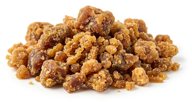 Crushed jaggery
Use the same weight; it is the same ingredient in a easier form.
 Brown sugar
Use the same weight; it is less deep and mineral than jaggery, so the dish tastes slightly less caramel-like.


 Lime
Use the same weight or juice amount; sharper, so taste before adding all the juice.
 Lemon juice
Use about 45–50 ml for 1 lemon; add off the heat to keep the freshness.
 Dried mango powder
Use 1 tsp for the juice of 1 lemon; add early. Sourness is flatter and less fresh.


 Coriander leaf
Use equal weight, chopped fresh and stirred in off the heat or used as garnish. Matches the citrus-herbal profile identically.
 Mint
Use 40% to 50% of the weight; chop finely and add at the very end. Adds fresh herbal brightness, but shifts the aroma toward cool menthol.


Similar dishes

- Same: Rasam Rice shares toor dal, tomato, turmeric, asafoetida, black mustard seed, curry leaves and Kashmiri chilli powder with this dish.
- Different: Rasam Rice uses much less toor dal and much more tomato, sours with tamarind paste instead of lemon, adds ginger, green chilli and black peppercorn, uses vegetable oil instead of ghee, and has no jaggery or peanuts.

- Same: Fada Ni Khichdi shares with this dish Gujarati seasoning of turmeric, asafoetida, dried Kashmiri chilli, curry leaf, Kashmiri chilli powder, tomato, salt and coriander, and both are simmered soft.
- Different: Fada Ni Khichdi uses cracked wheat, moong dal, carrot, green peas, ginger, garam masala and a little granulated sugar, and it lacks this dish's toor dal, peanuts, ghee-mustard tempering, jaggery and lemon.
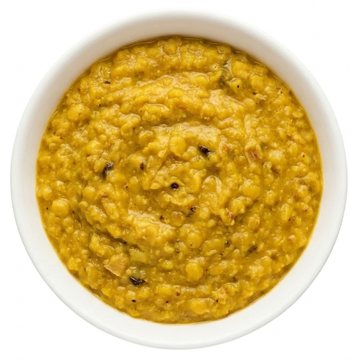
- Same: Lachko Dal shares with this dish a base of 200 g toor dal, turmeric, salt, and a ghee tempering with asafoetida, and both are thick Gujarati dal dishes.
- Different: Lachko Dal adds ginger but lacks this dish's tomato, peanuts, mustard seeds, curry leaves, dried chillies, chilli powder, jaggery, lemon, and coriander, and it uses only 13.2 g ghee versus 39.6 g here.

- Same: Hyderabadi Khatti Dal shares toor dal, water, turmeric, tomato, black mustard seed and curry leaf with this dish.
- Different: Hyderabadi Khatti Dal uses tamarind paste for sourness and a vegetable-oil tadka with garlic and cumin, while this dish uses jaggery and lemon, ghee, peanuts, asafoetida and Kashmiri chilli.