Indian cooking
Indian cooking / Dishes / Lachko Dal
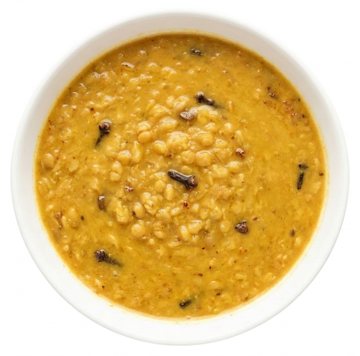
Lachko Dal (Thick Yellow Toor (Toover) Dal)

Lachko Dal

Thick Yellow Toor (Toover) Dal
Vegetarian●●●Origin North East IndiaPrep 20–35 minutes, plus cooling timeCook 10 minutes

A dense, rich Gujarati toor dal dish cooked until tender and finished with a fragrant asafoetida tempering for a deeply savoury, comforting flavour.

Spices for boiling the dal

0.8 gAdded to the cooker with the dal and ginger (step 1)
01
0.8 g¼ teaspoon
spice
Keep ready to add directly to the cooking liquid.

Tempering spice

0.7 gFried briefly in the hot ghee (step 2)
01
0.7 g¼ teaspoon
spice
Keep ready to tip into the hot fat.

Everything else

01
Pigeon peas · Toor Dalrinsed and drained
200 g
legume
02
12 g1 piece
aromatic
03
13 g1 tablespoon
oil/fat
04
to taste
salt

Method

  1. Place 200 g toor dal, 12 g ginger, the spices for boiling the dal, and 1 litre of water into a pressure cooker. Seal and cook under pressure for 15 minutes (or simmer in a heavy, covered saucepan for 25 minutes until completely tender). Leave to cool, then drain off the excess cooking liquid and transfer the dal to a clean saucepan.
  2. Warm 13.2 g ghee in a small frying pan set over medium heat. Tip in the tempering spice and sizzle for 30 seconds until aromatic.
  3. Pour the hot spiced ghee over the cooked dal and crush with a potato masher or wooden spoon until the mixture is smooth.
  4. Place the saucepan over medium-low heat, stir in salt to taste, and let it simmer for roughly 10 minutes until thick and spoonable before serving.

Don't have something?

Toor dal
  • Red lentils

    Use equal weight. Cooks considerably faster and breaks down into a softer, creamier consistency with an earthier taste.

  • Chana dal

    Use equal weight. Requires longer soaking and cooking; remains firmer with a nuttier bite and less starchy thickening.

  • Split mung beans

    Use equal weight. Cooks quickly to a lighter, more delicate, and silky texture.

Ginger
  • Fresh ginger

    Use equal weight; scrape off the skin and grate or finely julienne according to the recipe.

  • Ginger paste

    Use equal weight; stir straight into the sizzling aromatics, taking care as the extra moisture may spit.

  • Ground ginger

    Use 15 to 20% of the weight; add alongside ground spices, noting it imparts warm, dry heat rather than zesty freshness.

Ground turmeric
  • Ground ginger

    Use 50% of the weight. Mimics turmeric's warm, earthy, rhizome background, but provides none of the golden-yellow colour.

  • Saffron

    Steep a tiny pinch (0.1 g per 2 g turmeric) in 2 tbsp warm water; use to match the rich golden hue. Contributes an aristocratic, honeyed floral flavour rather than earthy bitterness.

Ghee
  • Unsalted butter

    Use 120% of the weight; melt gently over low heat to avoid burning the milk solids, which will yield a softer, creamier richness rather than a nutty aroma.


  • Vegetable oil

    Use 85% of the weight; holds high cooking temperatures without smoking, but the final dish will lack traditional dairy depth.

  • Mustard oil

    Use equal weight; heat to smoking point and cool slightly before cooking, bearing in mind it introduces an assertive, pungent edge.

Asafoetida
  • Garlic powder

    Use double the weight. Stir into hot oil just before adding wet ingredients; mimics the allium savoury background without the sulphurous edge.

  • Garlic paste

    Use 2 g for every 0.5 g of asafoetida. Sauté in oil until the raw smell clears; adds moisture and sweet allium depth.

Similar dishes

Arhar ki Dal
Pigeon Pea Dal
It has a warm, sweet clove aroma instead of the sharp, pungent kick of fresh ginger.
  • Same: Both preparations use toor dal cooked with turmeric and salt, finished with an asafoetida-scented ghee tempering.
  • Different: Arhar ki Dal adds whole cloves and uses considerably more fat, but it omits the fresh ginger used in this dish.
Sukhi Urad ki Dal
Dry Black Lentils
It tastes noticeably spicier and more pungent from the two types of chillies and cumin, contrasting with the milder, ginger-led profile of this dish.
  • Same: Sukhi Urad ki Dal is also a dense lentil dish seasoned with ghee, ginger, turmeric, and asafoetida.
  • Different: It uses urad dal instead of toor dal and incorporates cumin seeds, green chillies, and dried red chillies cooked into separate, dry grains.
Aamati
Sweet & Tangy Yellow Dal
Aamati tastes sweet, tangy, and spicy from tomato, sugar, and chilli, while this dish is dense and savoury with ghee and asafoetida.
  • Same: Aamati shares toor dal, turmeric, asafoetida, and salt with this dish.
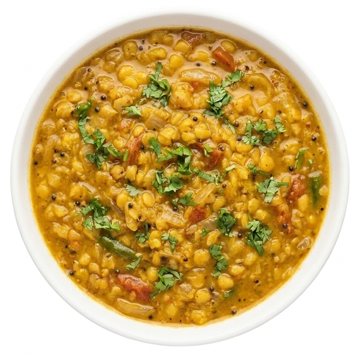
  • Different: Aamati uses vegetable oil instead of ghee, adds mustard seed, onion, green chilli, tomato, sugar, garam masala, and coriander, and has no ginger.
Sookhi Mangori
Dried Moong Dal Dumplings
Sookhi Mangori is tangier and more pungent with warming spices, whereas this dish has a simple, deeply savoury ginger and asafoetida flavour.
  • Same: Both dishes are dal preparations cooked in ghee and seasoned with ginger, turmeric, and asafoetida.
  • Different: Sookhi Mangori simmers dried moong dal dumplings in an onion and tomato gravy seasoned with garlic, chilli powder, and garam masala, rather than boiling down toor dal.