Indian cooking
Indian cooking / Dishes / Dhan-Dal Patio
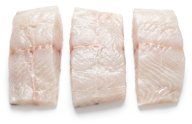
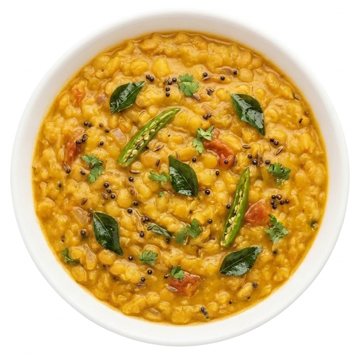
Dhan-Dal Patio (Fish with Lentils)

Dhan-Dal Patio

Fish with Lentils
Non-vegetarian●●●Origin ParsiPrep 45 minutes–1 hourCook 40–45 minutes

A classic pairing of fish simmered in a tangy, hot, and slightly sweet tomato-tamarind gravy alongside mild, comforting yellow lentils. The bold and sour patio contrasts cleanly with the buttery, garlic-infused dal.

Spices for the chilli paste

16 gBlended into the spice paste (step 2)
02
6 g2¾ teaspoons
spice
Keep whole; they will be ground with the garlic and water.

Dal spices

1.5 gBoiled with the toor dal (step 3)
01
1.5 g½ teaspoon
spice
Stir directly into the water with the lentils.

Sauce spices

1.5 gFried into the browned onions (step 5)
01
1.5 g½ teaspoon
spice
Add directly to the hot ghee alongside the chilli paste.

Everything else

01
450 g
fish
02
100 g
oil/fat
03
250 g
vegetable
04
6 g6 tablespoons
herb
05
90 g
vegetable
07
11 g1 tablespoon
sweetener
08
Aubergine · Baingantrimmed and cut into small pieces
100 g
vegetable
09
to taste
salt
10
9 g1 tablespoon
aromatic
11
Pigeon peas · Toor Dalrinsed and drained
150 g
legume
12
125 g
oil/fat
13
3 g1 teaspoon
aromatic

Method

  1. Portion 450 g fish into bone-in steaks roughly 2.5 cm (1 inch) thick.
  2. Place the spices for the chilli paste into a blender along with 1 tablespoon garlic, a pinch of salt, and a splash of water, then process until completely smooth.
  3. Put 150 g toor dal into a medium saucepan with the dal spices, 1 litre of water, and a pinch of salt. Bring to a boil and cook for 25 minutes until the pulses soften thoroughly, then push the mixture through a fine sieve into a bowl.
  4. Warm 100 g ghee in a large pot over medium heat and sauté half of the 250 g onion for 5 to 7 minutes until deeply browned.
  5. Add the blended chilli paste and the sauce spices, stirring continuously for 1 minute. Add 5.9 g coriander leaf and 1 teaspoon Dhansak Masala, cook for 30 seconds, then fold in 90 g tomato and cook down for about 5 minutes until fully softened and integrated.
  6. Pour 400 ml water into the pan and bring to a boil. Turn the heat down, cover with a lid, and simmer gently for 5 minutes. Stir in 46.8 g tamarind extract, 10.8 g jaggery, and salt to taste, then simmer uncovered for 2 to 3 minutes.
  7. Fold in 100 g aubergine and check the seasoning. Gently lay the fish pieces into the bubbling sauce and simmer for approximately 5 minutes until the fish is just cooked through.
  8. In a separate pan over medium heat, melt 125 g ghee and fry the rest of the sliced onion for 5 to 7 minutes until browned. Lift out half of the onions and set aside for the garnish.
  9. Stir 1 teaspoon garlic into the remaining onions in the pan and cook for 1 to 2 minutes until lightly browned. Pour in the sieved dal purée, stir-fry for 2 minutes to blend the flavours, and season with salt if needed.
  10. Serve the fish patio hot alongside the tempered dal, scattering the reserved browned onions over the lentils.

Don't have something?

Firm white fish
  • Firm white fish fillet

    Use the same weight, cut into steaks or cubes. Cooking time is the same; skin can be left on if you like.

  • Firm fish fillet

    Use the same weight. Check for bones; simmer 2–3 minutes more if the pieces are thick.

  • Firm white river fish fillet

    Use the same weight. River fish may need 2–3 minutes extra; keep the simmer gentle.

Ghee
  • Unsalted butter

    Use 120% of the weight; melt gently over low heat to avoid burning the milk solids, which will yield a softer, creamier richness rather than a nutty aroma.

  • Vegetable oil

    Use 85% of the weight; holds high cooking temperatures without smoking, but the final dish will lack traditional dairy depth.

  • Mustard oil

    Use equal weight; heat to smoking point and cool slightly before cooking, bearing in mind it introduces an assertive, pungent edge.

Onion
  • Shallot

    Use equal weight, finely sliced. Shallots soften and brown faster, giving a slightly sweeter and more delicate base to curries.

  • Cabbage

    Use 80% of the weight, finely shredded and browned slowly with a pinch of asafoetida. Replicates the bulk and natural sweetness in gravies without allium.

Ground turmeric
  • Ground ginger

    Use 50% of the weight. Mimics turmeric's warm, earthy, rhizome background, but provides none of the golden-yellow colour.

  • Saffron

    Steep a tiny pinch (0.1 g per 2 g turmeric) in 2 tbsp warm water; use to match the rich golden hue. Contributes an aristocratic, honeyed floral flavour rather than earthy bitterness.

Coriander leaf
  • Coriander

    Use equal weight finely chopped; this is the exact same fresh herb.

  • Mint

    Use half the weight finely chopped; provides vibrant green freshness, though the flavour profile becomes noticeably cooler and sharper.

Dhansak masala
  • Garam masala

    Use 60% of the weight and add a pinch each of ground cumin and ground coriander; less sour and less chilli-hot.

  • Lentil stew spice mix

    Use 75% of the weight; more tart and spicy, so taste before adding more.

  • Chettinad sambhar powder

    Use 60% of the weight; peppery and pungent, with a different southern spice profile.

Tomato
  • Tomato purée

    Use 40% to 50% of the fresh tomato weight mixed with a splash of water. Imparts a deeper red colour, thicker sauce, and slightly sweeter cooked flavour.

  • Plain yogurt

    Use 60% of the weight, whisked smooth and added on low heat. Provides rich body and sourness, though the gravy becomes paler and creamier.

Tamarind extract
  • Tamarind

    Use 180% of the weight of compressed tamarind; soak in three times its weight of boiling water for 15 minutes, knead, and strain out the thick pulp.

  • Dried mango powder

    Use 35% of the weight dissolved in two tablespoons of warm water. Provides sharp tang, though the resulting sauce will be lighter in colour.

  • Lemon juice

    Use equal weight, added right at the end of cooking. Adds sharp acidity without the deep brown hue or pulpy thickness.

Jaggery
  • Granulated sugar

    Use 80% of the weight. Granulated sugar is sweeter by weight, but gives a cleaner, one-dimensional sweetness that lacks jaggery's caramel, molasses depth.

  • Raisin

    Soak and blend into a paste; use 100% to 120% of the weight. Adds rich, natural, fruity sweetness with complex, dark molasses notes that thicken the gravy.

Aubergine
  • Baby aubergine

    Use the same weight; halve or quarter and cook 2–3 minutes longer. They hold their shape better in the sauce.

  • Small aubergine

    Use the same weight; slice or cube to the recipe's size. Similar flesh, slightly firmer.

  • Round aubergine

    Use the same weight; cube and salt for 10 minutes if the recipe does. It absorbs oil a little more.

Garlic
  • Garlic paste

    Use equal weight. Fry gently in oil or ghee with the ginger; incorporates smoothly into curries without visible minced bits.

  • Garlic powder

    Use 15% to 20% of the weight (about 1 g for every 5 to 6 g fresh cloves). Whisk into sauces; gives a savoury, toasted garlic flavour without raw pungency.


  • Shallot

    Use 1.5 times the weight, very finely minced. Sauté until golden; provides savoury allium sweetness, though it lacks garlic's pungent sulphur bite.

Dried red chilli
  • Dried kashmiri chilli

    Use equal weight whole. Fry in hot oil or ghee as tempered spice; gives a richer red colour with slightly milder heat.

  • Red chilli powder

    Use 50% to 70% of the weight. Stir into the oil with ground spices; distributes heat evenly throughout the dish without whole chilli skins.

Cumin seed
  • Ground cumin

    Use 70% of the weight; add with ground spices or sauce bases rather than hot oil tempering, where it scorches quickly and turns bitter.

  • Black cumin seeds

    Use equal weight for oil tempering. Delivers an earthy profile with an additional musky, smoky, and slightly bitter edge.

  • Fennel seed

    Use 60% of the weight for tempering; offers comparable warm aroma, but leans sweet and liquorice-like rather than savoury and earthy.

Toor dal
  • Red lentils

    Use equal weight. Cooks considerably faster and breaks down into a softer, creamier consistency with an earthier taste.

  • Chana dal

    Use equal weight. Requires longer soaking and cooking; remains firmer with a nuttier bite and less starchy thickening.

  • Split mung beans

    Use equal weight. Cooks quickly to a lighter, more delicate, and silky texture.

Similar dishes

Masoor Pappu Charu
Spicy Pepper Water
Masoor Pappu Charu tastes more peppery and sharply tamarind-sour as a spicy lentil soup, while this dish pairs a tangy, hot, slightly sweet fish gravy with mild buttery garlicky toor dal.
  • Same: Masoor Pappu Charu shares with this dish a lentil base, tamarind souring, ghee, turmeric, dried red chilli, cumin seed, jaggery, onion, and coriander leaf.
  • Different: Masoor Pappu Charu uses masoor dal and no fish, aubergine, garlic, or dhansak masala, and it adds black peppercorn, coriander seeds, asafoetida, mustard seed, curry leaf, and vegetable oil in a thin soup-style tempering.
Tadka Dal (Indian Kitchen)
Tadka Dal tastes savoury, gently spicy and slightly tangy, whereas this dish's patio is hot, sour and slightly sweet and its dal is mild and buttery.
  • Same: Tadka Dal shares lentils, turmeric, onion, tomato, garlic and coriander leaf with this dish.
  • Different: Tadka Dal uses masoor dal and vegetable oil with mustard seed, curry leaf and green chilli, while this dish uses toor dal, ghee, fish, aubergine, tamarind and jaggery.
Kane Kari
Curried Ladyfish
Kane Kari has a straightforward savoury, herbal heat without the pronounced sweet-and-sour punch of the patio or the buttery, mild richness of the lentils.
  • Same: Both are fish preparations seasoned with an aromatic base of onions, garlic, turmeric, cumin seeds, and dried red chillies.
  • Different: Kane Kari is cooked in vegetable oil with curry leaves and coriander seeds, lacking the toor dal, ghee, tomatoes, jaggery, and souring tamarind extract of this two-part meal.
Hyderabadi Khatti Dal
Toor Dal with Curry Leaves, Tamarind, Chilli and Coriander
Hyderabadi Khatti Dal tastes tart, savoury and lightly spicy, without this dish’s hot, slightly sweet fish gravy or buttery ghee-rich dal.
  • Same: Hyderabadi Khatti Dal shares toor dal, turmeric, tomato, tamarind, garlic, cumin seed and coriander leaf with this dish.
  • Different: Unlike this dish, Hyderabadi Khatti Dal has no fish, aubergine, jaggery, dhansak masala, dried red chilli or ghee, and it uses vegetable oil with black mustard seed, curry leaf, green bird’s eye chilli and mild chilli powder.