
Bangda Masala
Crispy fried mackerel coated in a tangy tamarind, curry leaf and chilli paste, then crusted with semolina. It is sharp, lightly spicy and crisp outside with moist fish inside.
Mackerel marinade masala
16 gBlended into the tamarind marinade paste (step 1)Everything else

Method
- Blend 6 g garlic, 5 g ginger, 36 g tamarind paste, 1.2–1.5 g curry leaf, 27 g vegetable oil, salt to taste and the mackerel marinade masala (7.8 g kashmiri chilli powder, 3 g ground turmeric and 5.4 g ground coriander) with about 3 tbsp water until smooth.
- Rub this paste over 700 g mackerel, inside and out, then chill for 1 hour.
- Mix 63 g coarse semolina and 19.8 g rice flour in a bowl with 0.3 g salt.
- Press each mackerel into the semolina mixture, turning to coat all sides and keeping the crust even.
- Heat enough vegetable oil for shallow frying in a heavy-based frying pan over low–medium heat. Fry the fish for 4–5 minutes on each side, turning gently so the crust stays intact. Alternatively, line the pan with baking paper before adding the oil and fry in the same way.
- Serve with lemon wedges.
Don't have something?


 Whole pomfret
Use the same weight; it is milder and less oily, so add a little extra oil and simmer for a similar time.
 Whole fish
Use the same weight and choose a firm fish; score it and adjust simmering by 3–5 minutes depending on thickness.
 Sardine
Use the same total weight; sardines are smaller, so use several and reduce cooking time by about 5 minutes.


 Semolina
Use the same weight; it is finer, so add liquid gradually and soak for less time.
 Fine semolina
Use the same weight; it absorbs faster and gives a smoother, less grainy texture.
 Cream of wheat
Use the same weight; toast it first if the recipe calls for roasting, and watch the liquid.


 Cornflour
Use about 60–70% of the weight for thickening; for coatings use the same weight but the crust is denser.
 Plain flour
Use the same weight for coatings; contains gluten, browns faster and is less crisp.
- Fine semolina
Use the same weight for crisp coatings; coarser texture and needs a short rest.


 Peanut oil
Use 1:1 by weight. Handles high-heat frying identically and introduces a very subtle, pleasant nuttiness.
 Ghee
Use 1:1 by weight. Yields a much richer, authentic aroma and a glossy, heavier mouthfeel.
 Mustard oil
Use 1:1 by weight. Heat until smoking, then cool slightly before cooking to temper its intensely pungent, sharp mustard kick.


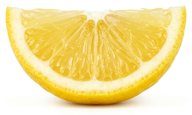
 Lime wedge
Use the same weight; it is sharper and more floral, so taste before adding extra salt or sugar.
 Lemon slice
Use the same weight; a slice gives less juice than a wedge, so squeeze it or add a little lemon juice.
 Lemon juice
Use about 10–15 g juice for one wedge (roughly 2 tsp), adding at the end; it lacks the peel's aromatic oil.



 Garlic paste
Use equal weight. Fry gently in oil or ghee with the ginger; incorporates smoothly into curries without visible minced bits.
 Garlic powder
Use 15% to 20% of the weight (about 1 g for every 5 to 6 g fresh cloves). Whisk into sauces; gives a savoury, toasted garlic flavour without raw pungency.
 Shallot
Use 1.5 times the weight, very finely minced. Sauté until golden; provides savoury allium sweetness, though it lacks garlic's pungent sulphur bite.


 Ginger paste
Use equal weight. Sauté in hot fat until the raw allium smell disappears; slightly wetter, but provides identical warmth and pungency.
 Ground ginger
Use 20% to 25% of the weight (1 g for every 4 to 5 g fresh). Stir into the gravy; adds peppery heat and warmth, though it misses the crisp, zesty kick of raw root.


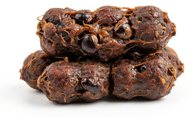 Tamarind pulp
Use 120–150% of the weight and strain; pulp is less concentrated, so simmer a little longer to thicken.
 Tamarind extract
Use 150–200% of the weight and reduce gently; extract is already diluted.
 Lime juice
Use 60–70% of the weight with a pinch of jaggery; sharper, so add near the end off the heat.


 Dried kashmiri chilli
Grind deseeded dried pods to an equal weight of powder; gives identical vivid red colour and gentle warmth.
 Red chilli powder
Use 25% of the weight mixed with sweet paprika for colour; straight red chilli powder is substantially hotter and will make the dish fiery.
 Chilli powder
Use one-third of the weight; the sauce will be less intensely red and notably sharper in heat.


- Ground ginger
Use 50% of the weight. Mimics turmeric's warm, earthy, rhizome background, but provides none of the golden-yellow colour.
 Saffron
Steep a tiny pinch (0.1 g per 2 g turmeric) in 2 tbsp warm water; use to match the rich golden hue. Contributes an aristocratic, honeyed floral flavour rather than earthy bitterness.


 Bay leaf
Fry 1 bay leaf for every 5 curry leaves in hot oil; imparts a warm, woodsy background note, but misses the citrus-sulphury punch entirely.
- Lime juice
Add a small squeeze (about 5 ml per sprig of curry leaves) right before serving; provides sharp citrus top notes without the toasty, herbal aroma.


 Coriander seeds
Dry-roast lightly in a pan and grind to a fine powder; use equal weight (1:1). Offers a noticeably fresher, brighter citrus note.
 Ground cumin
Use 50% to 75% of the weight. Lacks the floral, citrusy profile of coriander and turns the gravy heavier, earthier, and darker.
 Garam masala
Use 50% of the weight and stir in near the end of cooking. Adds warmth and depth since it contains ground coriander, but introduces stronger spices like clove and cinnamon.


Similar dishes

- Same: Whole Roasted Sea Bream with Black Pepper, Curry Leaves, Tamarind & Chilli shares tamarind, curry leaves, Kashmiri chilli powder, ground coriander, garlic, ginger and turmeric with this dish, and both are fish dishes.
- Different: Whole Roasted Sea Bream with Black Pepper, Curry Leaves, Tamarind & Chilli uses a whole sea bream wrapped in banana leaf and roasted with onion, black pepper, lemon, coconut oil and sugar, while this dish uses mackerel coated in semolina and rice flour and fried in vegetable oil.
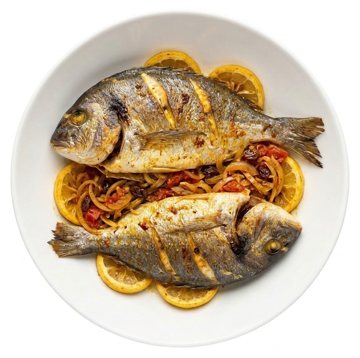
- Same: Bharleli Paplet and this dish are both fish preparations seasoned with Kashmiri chilli powder, turmeric, ground coriander, garlic, ginger and vegetable oil, and both include a sour element.
- Different: Bharleli Paplet uses a whole sea bream stuffed with onion, tomato, tomato purée, raisins and fresh coriander and roasted, while this dish uses mackerel coated in tamarind, curry leaf and chilli paste with a semolina and rice flour crust and fried.

- Same: Tandoori Masala Fish shares with this dish Kashmiri chilli powder, turmeric, ground coriander, garlic, ginger, salt and vegetable oil, and both use a souring element and a hot spice paste or marinade on fish.
- Different: Tandoori Masala Fish uses whole sea bream with Greek yoghurt, cashew nuts, chickpea flour, lemon juice, smoked butter or ghee and ground white pepper, and it is baked, while this dish uses mackerel with tamarind paste, curry leaves, semolina and rice flour and is fried.

- Same: Parsi Fish Patia shares fish, garlic, Kashmiri chilli powder, ground turmeric, ground coriander, salt and vegetable oil with this dish.
- Different: Parsi Fish Patia uses cod simmered in a tomato, onion, malt vinegar, lime and jaggery gravy, while this dish uses mackerel fried in a tamarind, curry leaf and chilli paste with a semolina and rice flour crust.