
Bengali Cholar Dal
A creamy Bengali dal made from chana dal, lightly spiced with clove and turmeric, then finished with a coconut and raisin tempering and a freshly ground cardamom–cinnamon–chilli blend. It is soft, mildly sweet and aromatic, with gentle chilli warmth.
Dal spices
3.3 gStirred into the simmering dal with salt and sugar (step 2)Ground spice mix
8 gStirred in with the raisins near the end (step 5)Tempering spices
3.1 gAdded to the hot ghee before the chilli and coconut (step 4)Everything else

Method
- Heat 1193 g water in a large saucepan over medium heat until boiling. Add 300 g chana dal and boil for 10–15 minutes, stirring often and skimming off any foam with a spoon.
- Add the dal spices (0.3 g clove, 3 g ground turmeric), salt to taste and 4.2 g granulated sugar. Simmer for 45 minutes until the dal is soft, stirring often and scraping the bottom. Remove and discard the clove, then crush the dal lightly with a potato masher.
- For the ground spice mix, grind 1.4 g green cardamom seeds, 2.6 g cinnamon stick and 4.5 g dried kashmiri chilli to a fine powder. Set aside.
- Heat 27 g ghee or vegetable oil in a heavy non-stick saucepan over medium heat. Add the tempering spices (0.4 g dried bay leaf, 2.1 g cumin seed) and cook for a few seconds until they sizzle. Add 4 g green bird's-eye chilli, slit lengthways, and stir for 2–3 seconds. Add 30 g coconut and fry for 2–3 minutes until lightly browned, then pour in the cooked dal and stir well.
- Bring to the boil, then add 20 g raisin and the ground spice mix (the masala). Simmer over low heat for 4–5 minutes.
- Stir in 1.5 g coriander, chopped. Serve warm.
Don't have something?


 Stock
Use the same weight in savoury dishes; it adds body, so adjust salt.
 Milk
Use the same weight only in doughs or creamy dishes; it makes the result richer.
 Coconut water
Use the same weight in curries or rice; it adds sweetness and a faint coconut taste.


 Yellow split peas
Use 100% of the weight. Soak for at least 1 hour; takes about 10 minutes longer to cook through and has a marginally earthier flavour.
 Pigeon peas
Use 100% of the weight. Reduces cooking time by about 10 minutes and breaks down softer, giving a smoother consistency rather than distinct grains.
 Black gram
For tempering or tadka only: use 70% of the weight. Browns faster in hot oil, providing a nutty, crunchy bite.


 Ground cloves
Use 1 g ground for 4 g whole (or 1 small pinch per 2 to 3 whole cloves). Add with spice powders; disperses intense warmth quickly, so use with restraint.
 Allspice berries
Use 100% of the weight whole in tempering. Imparts a warm, clove-like aromatic profile combined with hints of nutmeg and cinnamon.
 Black cardamom pod
Use 1 pod for 3 to 4 cloves in whole tempering. Shares a camphor-like warmth and medicinal depth, though it introduces a distinct smoky undertone.


 Ground ginger
Use 50% of the weight. Mimics turmeric's warm, earthy, rhizome background, but provides none of the golden-yellow colour.
 Saffron
Steep a tiny pinch (0.1 g per 2 g turmeric) in 2 tbsp warm water; use to match the rich golden hue. Contributes an aristocratic, honeyed floral flavour rather than earthy bitterness.


 Jaggery
Use equal weight; grate or shave finely so it dissolves rapidly, giving a warm, caramel-like sweetness and slightly darker sauce.


 Peanut oil
Use equal weight; handles high tempering heat well and keeps flavours neutral.
 Butter
Use equal weight; cook over gentle heat to prevent browning the milk solids too quickly.


 Cinnamon stick
Use a 2 cm piece (about 1 g) for every 1 to 2 bay leaves. Fry in whole-spice temperings; provides the cassia-like warmth typical of Indian tejpatta.
 Ground cinnamon (cassia)
Use 0.5 g per leaf. Stir into the sauce during simmering; gives the same warm woodiness but darkens the colour slightly.


 Ground cumin
Use 70% of the weight; add with ground spices or sauce bases rather than hot oil tempering, where it scorches quickly and turns bitter.
 Black cumin seeds
Use equal weight for oil tempering. Delivers an earthy profile with an additional musky, smoky, and slightly bitter edge.
 Fennel seed
Use 60% of the weight for tempering; offers comparable warm aroma, but leans sweet and liquorice-like rather than savoury and earthy.


- Bird's eye green chilli
Use the same weight; heat and flavour are very close.
 Green chilli
Use 1.5 to 2 times the weight; deseed for less heat. Larger chillies are more watery.
 Fresh green chilli
Use 1.5 to 2 times the weight; chop finely and adjust heat by tasting.

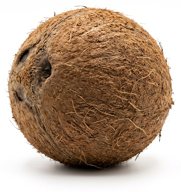
 Fresh coconut
Use equal weight freshly grated or diced. Delivers the identical sweet, milky taste and juicy texture.
 Desiccated coconut
Use 60% of the weight and soak in hot water or milk for 15 minutes before using. The finished dish will be slightly sweeter and less fibrous.
 Dried coconut
Finely grate and use 50% of the weight, soaked in hot water for 20 minutes. Yields a firmer chew and a denser, oilier coconut aroma.


 Dried plum
Use equal weight, pitted and finely chopped. Lends a deeper, slightly more tart sweetness to curries and rice dishes.
 Cashew nut
Use equal weight. Fry lightly in ghee until golden; substitutes the burst of sweetness with a rich, buttery crunch.
- Jaggery
Use 30% of the weight, finely grated. Dissolve straight into the sauce to match the intended sweetness, though without the fruity chew.


 Coriander leaf
Use equal weight, chopped fresh and stirred in off the heat or used as garnish. Matches the citrus-herbal profile identically.
 Mint
Use 40% to 50% of the weight; chop finely and add at the very end. Adds fresh herbal brightness, but shifts the aroma toward cool menthol.


 Green cardamom seed
Use 35 to 40% of the total pod weight; lightly bruise the seeds before frying in oil to release their essential oils.
 Ground green cardamom
Use 20 to 25% of the pod weight (about 1 generous pinch per pod); stir in toward the end of cooking so the delicate floral notes do not dissipate.
 White cardamom pod
Use 1:1 by pod count or weight; crack gently before using, though it is slightly less intensely floral.


 Ceylon cinnamon
True cinnamon: thinner, papery quills, milder and sweeter. Use about 1.5 times the weight, and taste.
- Ground cinnamon (cassia)
Use about a third of the weight (0.5 g ground for a 2.5 cm piece), stirred in with the ground spices rather than fried whole, since the powder burns quickly.
 Cassia buds
Use 60-70% of the weight; stronger and more peppery, so taste before adding more.



 Kashmiri chilli powder
Use 1 g powder for every 1.5 g whole dried chilli; whisk with a spoonful of warm water and stir into the masala to provide identical ruby colour and mild heat.
 Dried red chilli
Use 35% to 40% of the weight; discard seeds before tearing into oil to temper. Delivers a much fiercer heat, with significantly less red colouring.


Similar dishes
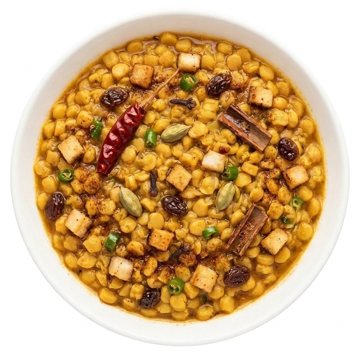
- Same: Chholar Dal and this dish are both Bengali chana dal preparations tempered with ghee, cumin seed, bay leaf, clove, cinnamon, cardamom, turmeric, coconut, and raisins.
- Different: Chholar Dal uses 400 g coconut, 50 g raisins, 12.6 g sugar, 30 g green chilli, chilli powder, and ground cumin, while this dish uses only 30 g coconut, 20 g raisins, 4.2 g sugar, 4 g green chilli, Kashmiri chilli, coriander, and more ghee; neither lists a souring agent.

- Same: Kadalaparippu Payasam shares chana dal, coconut, raisins, green cardamom and ghee with this dish.
- Different: It adds jaggery, lime juice, coconut milk, coconut cream and cashews, and it lacks this dish's turmeric, clove, bay leaf, cumin, green chilli, Kashmiri chilli and cinnamon; it is a sweet pudding simmered in jaggery syrup and layered with coconut milk, not a tempered savory dal.

- Same: Paruppu Payasam and this dish are both dal-based Indian dishes cooked with water and flavored with cardamom and clove. Both use coconut in some form and include a fat such as ghee, butter or oil.
- Different: Paruppu Payasam uses moong dal and jaggery as its sweetener, with coconut milk and cashews, while this dish uses chana dal, a small amount of sugar, and a coconut-and-raisin tempering. Paruppu Payasam lacks this dish's turmeric, cumin, bay leaf, green chilli, dried Kashmiri chilli, coriander, cinnamon and raisins.

- Same: Goan Dalicha Ras shares dal, water, turmeric, salt, sugar, coconut and gentle chilli heat with this dish.
- Different: Goan Dalicha Ras uses toor dal, tamarind paste and crushed Sichuan pepper, while this dish uses chana dal, ghee or oil, raisins and a cardamom-cinnamon-clove tempering.