
Bakare ke Gosht ka Vindaloo
A punchy, fiery curry coating tender pieces of lamb in a deeply spiced and tangy vinegar sauce.
Vindaloo spice mix
22 gStirred into the vinegar in step 1Everything else


Method
- In a small bowl, whisk the vindaloo spice mix together with 125 g vinegar and 6 g garlic, minced, until you have an even paste.
- Warm 6 tablespoons oil or ghee in a broad pan over medium heat. Tip in the seasoned spice paste and fry steadily for 10 minutes, stirring so it cooks without catching.
- Transfer 900 g lamb, cut into pieces, into the pan and season with salt to taste. Sauté for 20 minutes, turning the meat regularly to brown evenly and absorb the flavours.
- Splash in 4 tablespoons water, lower the burner to a gentle simmer, and let the curry bubble for 5 minutes.
- Sprinkle coriander leaf over the top to garnish immediately before serving.
Don't have something?


 Red chilli powder
Use 100% of the weight. Provides direct, sharp heat and red colour in equal measure.
 Kashmiri chilli powder
Use 150% to 200% of the weight if matching colour, but add a pinch of black pepper or hot chilli if you need equivalent fiery heat.
 Cayenne pepper
Use 75% to 100% of the weight. Offers a sharp, clean heat with slightly less earthy depth and less crimson colour.


 Ground ginger
Use 50% of the weight. Mimics turmeric's warm, earthy, rhizome background, but provides none of the golden-yellow colour.
 Saffron
Steep a tiny pinch (0.1 g per 2 g turmeric) in 2 tbsp warm water; use to match the rich golden hue. Contributes an aristocratic, honeyed floral flavour rather than earthy bitterness.


 Ground cumin
Use 70% of the weight; add with ground spices or sauce bases rather than hot oil tempering, where it scorches quickly and turns bitter.
 Black cumin seeds
Use equal weight for oil tempering. Delivers an earthy profile with an additional musky, smoky, and slightly bitter edge.
 Fennel seed
Use 60% of the weight for tempering; offers comparable warm aroma, but leans sweet and liquorice-like rather than savoury and earthy.


 Ground coriander
Use 75% of the weight; stir in along with wet masala or tomato purée rather than frying in hot oil, as the fine powder burns instantly.
- Cumin seed
Use 50% of the weight for tempering in hot oil. Lacks the floral, sweet citrus flavour of coriander, introducing warm, pungent earthiness instead.
- Fennel seed
Use 50% of the weight in tempering; provides pleasant aromatic sweetness, though noticeably aniseedy rather than citrusy.


 White vinegar
Use 100% of the weight directly. It delivers an identical sharp, clean acidity to curries and marinades.
 Lemon juice
Use 100% of the weight. Add towards the end of cooking off the heat; introduces a fruity citrus aroma rather than pungent acetic sharpness.
 Tamarind extract
Use 75% of the weight diluted in a splash of warm water. Gives a rich, fruity sourness and darkens the gravy.


 Ghee
Use the same weight. Richer flavour and aroma; keep heat moderate so it does not burn.
 Oil
Use the same weight. Neutral result; the dish will be less rich.
 Vegetable oil
Use the same weight. Everyday neutral choice; no ghee aroma.


 Mustard powder
Use equal weight (1:1). Whisk with a tablespoon of cold water 10 minutes prior to adding to develop full pungent heat, or stir directly into curries for gentle warmth.
 Yellow mustard seeds
Grind to a fine powder in a spice grinder; use equal weight (1:1). Gives mild, tangy heat without overpowering the sauce.
 Black mustard seed
Grind finely; use 75% of the weight. Noticeably more pungent, peppery, and bitter than yellow ground mustard.


- Red chilli powder
Use 70–75% of the weight; Indian chilli powders vary, so taste as you go. It gives similar heat but less clean brightness.
 Kashmiri red chilli powder
Use up to twice the weight for colour, but expect much less heat. Add a little ordinary chilli powder if heat matters.
 Paprika
Use 1.5–2 times the weight; it is mild and sweet. The dish will be redder but much less hot.


- Ground cumin
Use 50% of the weight mixed with equal parts ground coriander and a pinch of ground cinnamon, ground cloves, and ground green cardamom. Sprinkle near the end for a warming finish.
 Lentil stew spice mix
Use 75% of the weight. Simmer briefly in the gravy; imparts roasted warmth and complexity, though it adds a slight tang and earthy lentil undertone.



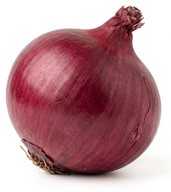


 Garlic paste
Use equal weight. Fry gently in oil or ghee with the ginger; incorporates smoothly into curries without visible minced bits.
 Garlic powder
Use 15% to 20% of the weight (about 1 g for every 5 to 6 g fresh cloves). Whisk into sauces; gives a savoury, toasted garlic flavour without raw pungency.
 Shallot
Use 1.5 times the weight, very finely minced. Sauté until golden; provides savoury allium sweetness, though it lacks garlic's pungent sulphur bite.


- Vegetable oil
Use the same weight. It is neutral and behaves the same in frying and tempering; no noticeable change in flavour.
 Corn or vegetable oil
Use the same weight. Neutral and good for high heat; the dish will taste virtually the same.
 Groundnut oil
Use the same weight. It has a mild nutty flavour and is good for Indian cooking; heat until just hot, not smoking, so the nuttiness does not dominate.


 Boneless lamb
Use the same weight and cut into the same size pieces; cooking time is similar.
 Boneless lamb shoulder
Use the same weight; more fat and marbling, so cook 10–15 minutes longer and skim excess fat.
 Boneless lamb fillet
Use the same weight; leaner and tender, so cook 5–10 minutes less.


Similar dishes
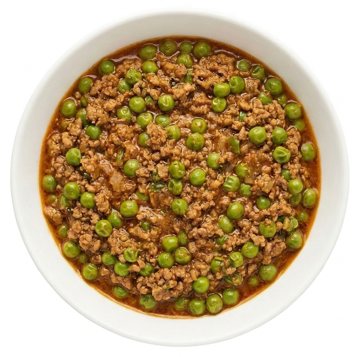
- Same: Both dishes use lamb seasoned with a shared spice base of chilli powder, turmeric, cumin seed, coriander seed, and garam masala.
- Different: Keema Matar uses minced lamb simmered with green peas, onions, ginger, green chillies, ghee, yogurt, and lime juice, omitting the vinegar, garlic, and mustard seed used in this dish.

- Same: Saunfiya Kalaunji wala Gosht shares with this dish a meat curry base of onion, cumin, turmeric, cayenne/chilli, garam masala, oil, and salt.
- Different: Saunfiya Kalaunji wala Gosht uses goat and tomato, adds fennel, nigella, ajwain, and black pepper, and is oven-braised then shredded in vegetable oil, while this dish uses lamb, vinegar, garlic, and mustard seed in a stovetop ghee/oil curry.

- Same: Keeme ke Samose also features lamb seasoned with garlic, ground turmeric, coriander seeds, and fresh coriander leaf.
- Different: Instead of simmering lamb pieces in vinegar, it encloses spiced minced lamb, onions, ginger, and yogurt in pastry deep-fried in ghee or oil, omitting the chilli powder, cumin, mustard seeds, and garam masala.

- Same: Bhutua shares turmeric, coriander seeds, red chilli and salt with this dish, and both cook meat in fat with ground spices.
- Different: Bhutua uses mixed offal and a large amount of mustard oil, with dried red chilli and no vinegar, onion, garlic, cumin, mustard seed, garam masala or coriander leaf, and it is slow-cooked rather than made as a vinegar-based lamb curry.