Indian cooking
Indian cooking / Dishes / Saunfiya Kalaunji wala Gosht
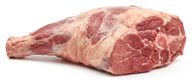
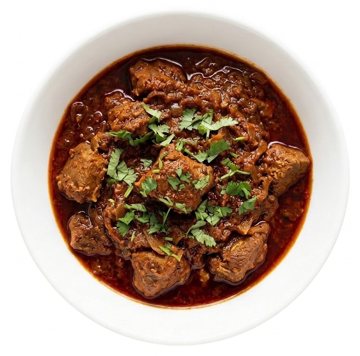
Saunfiya Kalaunji wala Gosht (Oven-braised Goat Meat in Fennel & Kalonji Curry)

Saunfiya Kalaunji wala Gosht

Oven-braised Goat Meat in Fennel & Kalonji Curry
Non-vegetarianPrep 2 hours 50 minutes, plus cooling timeCook 15–20 minutes

Goat meat is slow-roasted until tender in an aromatic broth of tomatoes and onions, then shredded and finished in a vibrant sauce perfumed with toasted fennel, ajwain, and kalonji.

Braising spices

9 gAdded to the roasting tin with the goat meat (step 1)
Leave as a pre-measured ground spice blend.

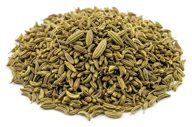
Toasting spices

20 gDry-roasted in a pan before grinding (step 3)
01
12 g2 tablespoons
spice
02
6 g1 tablespoon
spice
03
2 g1 teaspoon
spice
Toast in a dry pan until fragrant, cool completely, and grind to a fine powder.

Curry turmeric

3 gStirred into the tomato sauce (step 4)
01
3 g1 teaspoon
spice
Keep ready to add directly to the sauce.

Everything else

01
4500 g
meat
02
900 g
vegetable
03
300 g2 onions
vegetable
04
17 g1 tablespoon
salt
05
114 g125 ml
oil/fat
06
720 g6 tomatoes
vegetable
07
12 g2 teaspoons
salt

Method

  1. Heat the oven to 220°C (425°F).
  2. Place 4500 g goat meat into a large roasting pan along with 900 g chopped tomato, 300 g chopped onion, 17.4 g salt, 0.5 tbsp cayenne pepper, the braising spices, and 1 litre of water. Stir everything thoroughly, cover tightly with a fitted lid or aluminium foil, and roast for 2 hours. Remove from the oven and let cool until safe to handle.
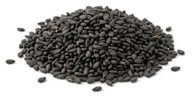
  3. Set a heavy skillet over medium heat and add 1 tsp kalonji seeds along with the toasting spices. Stir continuously for 2 to 3 minutes until the fennel takes on a pale yellow hue. Transfer to a bowl to cool, then grind in a spice grinder to a fine powder.
  4. In a wide pot over medium-high heat, combine 114 g vegetable oil and 720 g puréed tomato. Stir in the ground toasted spice mixture, 11.6 g salt, the curry turmeric, and 0.5 tsp cayenne pepper. Cook for 5 to 8 minutes, stirring frequently, until the tomatoes thicken into a paste and oil starts to glisten on the surface.
  5. Pour 1.2 litres of water into the tomato base and stir well. Bring the mixture to a boil, drop the heat to low, and simmer gently for 10 minutes. Take the pan off the heat and set aside.
  6. Using gloved hands, strip all the meat from the braised bones and discard the bones. Return the meat to the roasting pan with its braising juices. Set the pan over medium-high heat on the hob, bring to a boil, then simmer uncovered for roughly 10 minutes until the liquid reduces to a moist coating rather than a thin soup.
  7. Warm the tomato and fennel curry over medium heat, then fold in the shredded goat meat along with its braised tomatoes and onions. Heat through until bubbling gently.

Don't have something?

Leg of goat
  • Leg of kid or lamb

    Use the same weight; kid cooks 10–15 minutes less, lamb is similar but milder.

  • Leg of lamb

    Use the same weight; cook 10–15 minutes less, as lamb is usually tenderer than goat.

  • Lamb shoulder

    Use the same weight; more fat, so cook 15–20 minutes longer and skim the fat.

Tomato
  • Tomato purée

    Use 40% to 50% of the fresh tomato weight mixed with a splash of water. Imparts a deeper red colour, thicker sauce, and slightly sweeter cooked flavour.

  • Plain yogurt

    Use 60% of the weight, whisked smooth and added on low heat. Provides rich body and sourness, though the gravy becomes paler and creamier.

Onion
  • Shallot

    Use equal weight, finely sliced. Shallots soften and brown faster, giving a slightly sweeter and more delicate base to curries.

  • Cabbage

    Use 80% of the weight, finely shredded and browned slowly with a pinch of asafoetida. Replicates the bulk and natural sweetness in gravies without allium.

Cayenne pepper
  • Red chilli powder

    Use 70–75% of the weight; Indian chilli powders vary, so taste as you go. It gives similar heat but less clean brightness.

  • Kashmiri red chilli powder

    Use up to twice the weight for colour, but expect much less heat. Add a little ordinary chilli powder if heat matters.

  • Paprika

    Use 1.5–2 times the weight; it is mild and sweet. The dish will be redder but much less hot.

Ground black pepper
  • Black peppercorn

    Use 1:1 by weight; pulverise in a spice mill or mortar to a fine powder for immediate, punchy heat.

  • Coarsely ground black pepper

    Use equal weight; offers the same bite, though it gives a visibly speckled finish and firmer crunch.

Garam masala
  • Ground cumin

    Use 50% of the weight mixed with equal parts ground coriander and a pinch of ground cinnamon, ground cloves, and ground green cardamom. Sprinkle near the end for a warming finish.

  • Lentil stew spice mix

    Use 75% of the weight. Simmer briefly in the gravy; imparts roasted warmth and complexity, though it adds a slight tang and earthy lentil undertone.

Fennel seed
  • Aniseed

    Use 75% of the weight. Fry in hot oil or ghee; has a sharper, more pronounced liquorice flavour, so use a lighter hand.

  • Ground fennel seed

    Use 60% of the weight. Stir into the sauce with ground masalas; provides identical sweet aniseed flavour without whole seed crunch.

  • Star anise

    Use one point (single carpel) per 1 g of fennel seeds. Simmer in gravies and remove before serving; gives a deeper, woodier liquorice aroma.

Cumin seed
  • Ground cumin

    Use 70% of the weight; add with ground spices or sauce bases rather than hot oil tempering, where it scorches quickly and turns bitter.

  • Black cumin seeds

    Use equal weight for oil tempering. Delivers an earthy profile with an additional musky, smoky, and slightly bitter edge.

  • Fennel seed

    Use 60% of the weight for tempering; offers comparable warm aroma, but leans sweet and liquorice-like rather than savoury and earthy.

Nigella seeds
  • Black cumin seeds

    Use equal weight. Imparts an earthy, slightly bitter note in temperings, though it lacks nigella's oniony sharpness.

  • Black sesame seeds

    Use equal weight. Gives a similar speckled appearance and light crunch on breads, but provides a nutty rather than herbaceous, onion-like flavour.

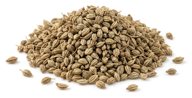
Ajwain seed
  • Carom seed

    Use the same weight; this is the same spice.

  • Cumin seed

    Use 75% of the weight, toasted; different, less medicinal flavour.

  • Fennel seed

    Use 50% of the weight, crushed; sweeter and milder.

Vegetable oil
  • Peanut oil

    Use 1:1 by weight. Handles high-heat frying identically and introduces a very subtle, pleasant nuttiness.

  • Ghee

    Use 1:1 by weight. Yields a much richer, authentic aroma and a glossy, heavier mouthfeel.

  • Mustard oil

    Use 1:1 by weight. Heat until smoking, then cool slightly before cooking to temper its intensely pungent, sharp mustard kick.

Ground turmeric
  • Ground ginger

    Use 50% of the weight. Mimics turmeric's warm, earthy, rhizome background, but provides none of the golden-yellow colour.

  • Saffron

    Steep a tiny pinch (0.1 g per 2 g turmeric) in 2 tbsp warm water; use to match the rich golden hue. Contributes an aristocratic, honeyed floral flavour rather than earthy bitterness.


Similar dishes

Bakare ke Gosht ka Vindaloo
Lamb Vindaloo
Bakare ke Gosht ka Vindaloo is significantly sharper, tangier, and hotter, lacking the mild, anise-like sweetness of this dish's tomato and fennel base.
  • Same: Bakare ke Gosht ka Vindaloo also features tender meat seasoned with cumin seed, turmeric, and garam masala.
  • Different: Instead of this dish's oven-braised tomato and onion sauce with fennel and ajwain, it is made with vinegar, garlic, chili powder, coriander, and mustard seed.
Achari Gosht
Lamb in Pickling Spices
Achari Gosht tastes tangy, pungent, and pickling-spice forward from yogurt, lemon, mustard oil, and mustard-fenugreek, while this dish tastes more tomato-based and aromatic from toasted fennel, ajwain, and kalonji.
  • Same: Achari Gosht and this dish are both braised meat curries built on onion, turmeric, chilli heat, cumin, fennel, and nigella seeds.
  • Different: Achari Gosht uses lamb pieces with mustard oil, yogurt, lemon juice, brown sugar, mustard seed, fenugreek, asafoetida, dried red chilli, curry leaf, clove, and ginger-garlic paste, while this dish uses goat slow-roasted with tomatoes, vegetable oil, ajwain, and more fennel, then shredded.
Keema Matar
Minced (Ground) Lamb with Peas
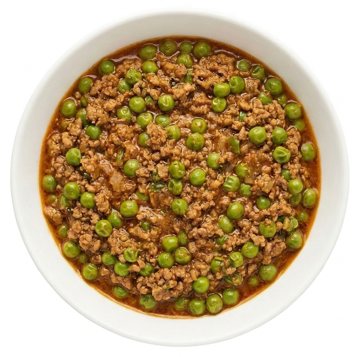
Keema Matar tastes rich and yogurt-based with sweet peas, green chilli heat and lime brightness, while this dish tastes tangy from tomato and aromatic from fennel, ajwain and kalonji with shredded roast goat.
  • Same: Keema Matar shares garam masala, cumin, turmeric, chilli heat, onion, salt and a simmered curry style with this dish.
  • Different: Keema Matar uses minced lamb, green peas, yogurt, ghee, ginger, green chilli and lime juice, while this dish uses goat leg, tomato, vegetable oil, fennel, ajwain and kalonji and is oven-braised then shredded.
Masaledar Mutton
Lamb Masala
Masaledar Mutton tastes richer from ghee and sharper from garlic, ginger, and green chilli, with a thick onion-tomato sauce, while this dish tastes of toasted fennel, ajwain, and kalonji over shredded roasted goat.
  • Same: Masaledar Mutton shares with this dish a slow-cooked onion-and-tomato base, tomato sourness, garam masala, cumin, turmeric, chilli heat, salt, and vegetable oil.
  • Different: Masaledar Mutton has ghee, garlic paste, ginger paste, bay leaf, ground coriander, and green chilli that this dish lacks, and it lacks this dish's fennel seed, nigella seeds, ajwain, and black pepper; it is a stovetop lamb curry with meat pieces in a thick sauce, while this dish oven-braises a goat leg and shreds it.