Indian cooking
Indian cooking / Dishes / Dahi ki Chutney
Dahi ki Chutney (Yoghurt Chutney)

Dahi ki Chutney

Yoghurt Chutney
Vegetarian●●●Origin AwadhPrep 35 minutesMakes 250g / 9oz

A creamy, refreshing South Indian condiment of fresh coconut and whisked yoghurt, enriched with toasted lentils and finished with crackled mustard seeds and dried chillies.

Tempering spices

5 gFried in hot oil for the final tempering (step 3)
01
3.3 g1 teaspoon
spice
Keep whole; they will be bloomed in the hot oil.

Everything else

01
9 g2 teaspoons
oil/fat
02
Chana dalrinsed and drained
13 g1 tablespoon
legume
03
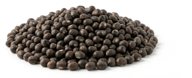
Black gram · Urad Dalrinsed and drained
13 g1 tablespoon
legume
04
350 g1 piece
fruit
05
Green chilli · Hari Mirchde-seeded and roughly chopped
24 g4 chillies
vegetable
06
2 g1 teaspoon
aromatic
07
3 g12 leaves
herb
08
61 g4 tablespoons
dairy
09
15 g½ lime
souring agent
10
to taste
salt
11
Chana dalrinsed and drained
13 g1 tablespoon
legume
12
Black gram · Urad Dalrinsed and drained
13 g1 tablespoon
legume

Method

  1. Warm half of the 9 g vegetable oil in a pan over medium heat. Fry 12.6 g chana dal and 12.9 g urad dal for 1 to 2 minutes, stirring constantly until rich dark brown, then take off the heat.
  2. Transfer the fried lentils to a blender along with 350 g fresh coconut, 24 g green chilli, 2 g fresh ginger, and 3 g curry leaf. Blend to a paste, adding splashes of water as needed, then scrape into a mixing bowl.
  3. Heat the remaining vegetable oil in the pan over medium heat. Tip in the tempering spices alongside 12.6 g chana dal and 12.9 g urad dal, sautéing for 1 to 2 minutes until the seeds crackle and the dried chillies darken.
  4. Pour the hot tempered spices and lentils directly over the coconut paste. Stir in 61.2 g yogurt and 0.5 lime juice, season with salt to taste, and adjust with a splash of water to reach a dipping consistency. Chill for up to 2 days.

Don't have something?

Vegetable oil
  • Peanut oil

    Use 1:1 by weight. Handles high-heat frying identically and introduces a very subtle, pleasant nuttiness.

  • Ghee

    Use 1:1 by weight. Yields a much richer, authentic aroma and a glossy, heavier mouthfeel.

  • Mustard oil

    Use 1:1 by weight. Heat until smoking, then cool slightly before cooking to temper its intensely pungent, sharp mustard kick.

Chana dal
  • Yellow split peas

    Use 100% of the weight. Soak for at least 1 hour; takes about 10 minutes longer to cook through and has a marginally earthier flavour.

  • Pigeon peas

    Use 100% of the weight. Reduces cooking time by about 10 minutes and breaks down softer, giving a smoother consistency rather than distinct grains.

  • Black gram

    For tempering or tadka only: use 70% of the weight. Browns faster in hot oil, providing a nutty, crunchy bite.

Urad dal
  • Whole black gram

    Use equal weight. Needs longer soaking and cooking; the dark skins impart an earthy flavour and greyish-black hue unless thoroughly rubbed off.

  • Chana dal

    Use equal weight when tempering (tadka). Provides a comparable nutty, crunchy texture in hot oil, though grains are slightly larger.

  • Split mung beans

    Use equal weight for batters or dals. Ferments and cooks faster, producing a lighter, less sticky, and less viscous consistency.

Fresh coconut
  • Desiccated coconut

    Use 50% to 60% of the weight, soaked in equal parts warm water for 15 minutes before grinding. Works well for chutneys, though texture is slightly finer and sweeter.

  • Coconut milk

    Use 1.2 times the weight in curries. Adds creamy richness and authentic flavour, but makes gravies smoother and eliminates the grated, chewy mouthfeel.

Green chilli
  • Chilli powder

    Use 10 to 15% of the weight (about 1/4 teaspoon per chilli); imparts dry pungent heat and reddens the dish without the grassy crunch.

  • Dried red chilli

    Use 1 dried pod per fresh green chilli; snap in half and temper in hot oil for a deeper, toastier heat.

Fresh ginger
  • Ginger paste

    Use equal weight. Sauté in hot fat until the raw allium smell disappears; slightly wetter, but provides identical warmth and pungency.

  • Ground ginger

    Use 20% to 25% of the weight (1 g for every 4 to 5 g fresh). Stir into the gravy; adds peppery heat and warmth, though it misses the crisp, zesty kick of raw root.

Curry leaf
  • Bay leaf

    Fry 1 bay leaf for every 5 curry leaves in hot oil; imparts a warm, woodsy background note, but misses the citrus-sulphury punch entirely.

  • Lime juice

    Add a small squeeze (about 5 ml per sprig of curry leaves) right before serving; provides sharp citrus top notes without the toasty, herbal aroma.

Yogurt
  • Plain yogurt

    Use 100% of the weight. Whisk thoroughly until smooth before stirring into warm gravies to prevent curdling.

  • Single cream

    Use 90% of the weight combined with 10% lemon juice to replicate the lactic tang and rich body in marinades and curries.

Lime juice
  • Lemon juice

    Use equal volume or weight; slightly sweeter and less pungent, but otherwise an imperceptible swap.

  • Dried mango powder

    Use 25% of the weight; imparts dry, fruity sourness, best stirred in right at the end of cooking.

  • Tamarind extract

    Use 50% of the weight; delivers pleasant fruity tang but turns pale sauces considerably darker.

Mustard seed
  • Black mustard seed

    Use the same weight. The seeds are smaller and hotter; fry in hot oil until they pop, about 20–30 seconds, and reduce the heat if they darken too fast. The dish will be a little sharper.

  • Yellow mustard seeds

    Use the same weight. They are milder and larger; fry a few seconds longer until they pop. The finished dish will have less pungency.

  • Ground mustard seed

    Use 70% of the weight of whole seed, added with the other ground spices rather than fried whole. You lose the popping texture and the heat comes through more evenly.


Dried red chilli
  • Dried kashmiri chilli

    Use equal weight whole. Fry in hot oil or ghee as tempered spice; gives a richer red colour with slightly milder heat.

  • Red chilli powder

    Use 50% to 70% of the weight. Stir into the oil with ground spices; distributes heat evenly throughout the dish without whole chilli skins.

Similar dishes

Karipatta Chutney
Curry Leaf Chutney
Karipatta Chutney tastes sharper, more pungent, and deeply herbal, lacking the cool, creamy richness that yoghurt provides in this dish.
  • Same: Both are South Indian coconut chutneys flavored with green chillies, fresh ginger, lime juice, and a vegetable oil tempering of mustard seeds and curry leaves.
  • Different: Karipatta Chutney includes onion, garlic, sesame seeds, and four times as many curry leaves, but omits the yoghurt, dried red chillies, and toasted chana and urad dals found in this dish.
Kobari Pachadi
Coconut Chutney with Seasoning
Kobari Pachadi is milder, creamier, and less spicy, lacking the sharp ginger heat, herbal notes, and citrus punch of this dish.
  • Same: Kobari Pachadi shares a fresh coconut and yogurt base tempered in vegetable oil with mustard seeds, urad dal, and dried red chillies.
  • Different: Kobari Pachadi uses a much higher proportion of yogurt and omits the green chillies, ginger, curry leaves, chana dal, and lime juice used in this dish.
Muttokos Thoran
Kerala Stir-fried Cabbage with Coconut
Muttokos Thoran tastes savoury and cabbage-forward with earthy cumin notes, lacking the cool, tart tang of the yoghurt and lime in this dish.
  • Same: Muttokos Thoran shares fresh coconut, green chillies, urad dal, and a tempering of mustard seeds, curry leaves, and dried red chillies with this dish.
  • Different: Instead of being a blended yoghurt and coconut condiment soured with lime juice, Muttokos Thoran is a stir-fried vegetable side dish built around cabbage, shallots, and cumin seeds.
Thengaai Saadam
Coconut Rice
Thengaai Saadam is warm, dry, and nutty without the cool, creamy tang and sharp chilli heat of this dish.
  • Same: Thengaai Saadam shares fresh coconut and a tempering of mustard seeds, urad dal, dried red chillies, and curry leaves bloomed in vegetable oil with this dish.
  • Different: Thengaai Saadam is a cooked basmati rice dish that omits the chana dal, fresh ginger, green chillies, yoghurt, and lime juice blended into this condiment.