
Achari Murgh
Achari murgh is chicken cooked in a tangy tomato and yogurt sauce with pickling spices. It tastes sharp, warm and aromatic, with mustard, fenugreek and chilli giving the sauce its character.
Whole pickling spices for the oil
18 gFried in the hot oil at the start (step 1)Ginger-garlic paste
30 gStirred in after the onion softens (step 3)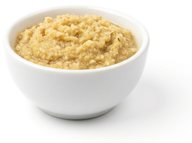
Ground spices for the sauce
5 gAdded after the ginger-garlic paste (step 4)Everything else


Method
- Warm 40.5 g mustard oil or vegetable oil in a heavy saucepan over medium heat. Add the whole pickling spices for the oil and fry for about 20 seconds, until they crackle and smell toasted.
- Add 150 g finely sliced onion and fry for 7–8 minutes, until soft and light brown.
- Stir in 30 g ginger and garlic paste and cook for 1 minute.
- Add the ground spices for the sauce and stir over medium heat for 20–30 seconds; add a splash of water if the mixture starts to catch. Stir in 23.4 g tomato purée and cook for 2 minutes.
- Add 800 g chicken pieces and turn them for 5–7 minutes, until browned on the outside and coated in the spices.
- Pour in 100 ml water and bring to a boil. Cover, lower the heat and simmer for 25 minutes, stirring twice, until the chicken is cooked through and tender.
- Stir in 103 g lightly beaten yogurt and cook for 5–7 minutes only; do not let it boil for long.
- Add 5.1 g lemon juice and salt to taste. Scatter over chopped coriander leaves and serve hot.
Don't have something?


 Groundnut oil
Use the same weight; neutral and good for Indian cooking, but you lose mustard pungency.
 Sunflower oil
Use the same weight; neutral, so add a little mustard powder or mustard seeds if you want some bite.
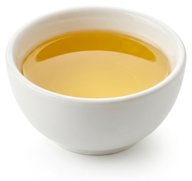 Vegetable or corn oil
Use the same weight; neutral and reliable, but no mustard flavour.


 Dried kashmiri chilli
Use equal weight whole. Fry in hot oil or ghee as tempered spice; gives a richer red colour with slightly milder heat.
 Red chilli powder
Use 50% to 70% of the weight. Stir into the oil with ground spices; distributes heat evenly throughout the dish without whole chilli skins.


 Mustard seed
Use 50% of the weight, crush or grind. Sharper heat and less maple-bitter; fry briefly in oil before adding.
 Caraway seeds
Use the same weight, crush lightly. Similar bitter-seed note but more aniseed; reduce other sweet spices slightly.
 Ajwain seeds
Use 25–30% of the weight, crush. Much stronger thyme-like flavour; do not overdo.


- Mustard seeds
Use equal weight. Pop in hot fat until they crackle and turn greyish; yields an almost identical nutty, pungent finish.
 Yellow mustard seeds
Use equal weight. Fry over medium heat; delivers a milder, sweeter pop and turns bitter quickly if the oil is excessively hot.


 Ground cumin
Use 70% of the weight; add with ground spices or sauce bases rather than hot oil tempering, where it scorches quickly and turns bitter.
 Black cumin seeds
Use equal weight for oil tempering. Delivers an earthy profile with an additional musky, smoky, and slightly bitter edge.
 Fennel seed
Use 60% of the weight for tempering; offers comparable warm aroma, but leans sweet and liquorice-like rather than savoury and earthy.


 Aniseed
Use 75% of the weight. Fry in hot oil or ghee; has a sharper, more pronounced liquorice flavour, so use a lighter hand.
 Ground fennel seed
Use 60% of the weight. Stir into the sauce with ground masalas; provides identical sweet aniseed flavour without whole seed crunch.
 Star anise
Use one point (single carpel) per 1 g of fennel seeds. Simmer in gravies and remove before serving; gives a deeper, woodier liquorice aroma.


- Black cumin seeds
Use equal weight. Imparts an earthy, slightly bitter note in temperings, though it lacks nigella's oniony sharpness.
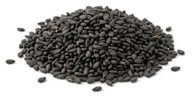 Black sesame seeds
Use equal weight. Gives a similar speckled appearance and light crunch on breads, but provides a nutty rather than herbaceous, onion-like flavour.



- Ginger and garlic paste
Use the same weight; the difference is only the order of the names.
 Garlic paste
Mix with an equal weight of ginger paste and use the same total weight.
 Garlic
For 20 g paste use about 10 g crushed garlic and 10 g grated ginger root with a splash of water. Add a little extra water if the dish looks dry.


 Ground ginger
Use 50% of the weight. Mimics turmeric's warm, earthy, rhizome background, but provides none of the golden-yellow colour.
 Saffron
Steep a tiny pinch (0.1 g per 2 g turmeric) in 2 tbsp warm water; use to match the rich golden hue. Contributes an aristocratic, honeyed floral flavour rather than earthy bitterness.


 Kashmiri chilli powder
Use the same weight; this is the first half of the book's option and gives the best red colour with mild heat.
 Mild paprika
Use the same weight; add a pinch of cayenne pepper for warmth. Slightly less colour.
- Paprika
Use the same weight and add cayenne pepper to taste; works but is less aromatic.



 Tomato
Use 200% to 250% of the weight. Finely grate or blend fresh tomatoes, then cook them down until the moisture evaporates and the oil separates.


 Bone-in chicken
Use the same weight. It is the same thing; adjust pieces so they cook evenly and simmer until the meat is tender at the bone.
 Skinless chicken on the bone
Use the same weight. It is leaner and less rich; brown it a little more carefully and add 5 minutes to the simmer if the pieces are large.
 Bone-in chicken thigh and drumstick
Use the same weight. Thigh and drumstick are juicier and cook slightly faster than breast on the bone; check after 20–25 minutes.


 Plain yogurt
Use 100% of the weight. Whisk thoroughly until smooth before stirring into warm gravies to prevent curdling.
 Single cream
Use 90% of the weight combined with 10% lemon juice to replicate the lactic tang and rich body in marinades and curries.


 Lime juice
Use equal volume or weight; delivers almost identical sharp acidity with a faintly more aromatic, bitter-edged profile.
 Dried mango powder
Use 25% of the weight (about 1 g amchoor for 4 g juice); provides clean fruity tartness without thinning the sauce.
 White vinegar
Use 75% of the volume; gives direct sourness without any citrus floral fragrance.


 Coriander (cilantro) or basil
Use the same weight, choosing the coriander element if available. If only basil is available, expect a sweeter, more aniseed flavour.
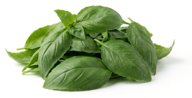 Basil leaves
Use the same weight. Basil is sweeter and more aromatic in a different way; add near the end so it keeps its perfume.
 Coriander paste
Use 1.5 times the weight and reduce other liquid slightly; it is less fresh and more concentrated, so taste before adding more.


Similar dishes

- Same: Kadhai Chicken Chargha shares bone-in chicken, yogurt, Kashmiri chilli, turmeric, cumin, dried red chilli and coriander leaves with this dish.
- Different: It lacks this dish's tomato purée, onion, lemon juice, mustard oil, fenugreek, mustard seed, fennel and nigella, and it uses a garlic-yoghurt marinade and vegetable oil instead of a tomato-yogurt sauce.
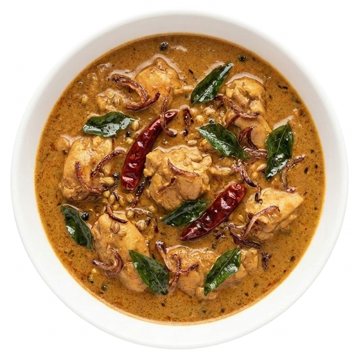
- Same: Like this dish, Kori Gassi is a chicken curry built on onion, dried red chilli, fenugreek, cumin and turmeric.
- Different: Kori Gassi simmers chicken in coconut milk with curry leaves and garlic paste, lacks this dish's tomato purée, yogurt, lemon juice, mustard oil, mustard seed, nigella and fennel, and is finished with fried onions.

- Same: Achari Murgh Tikka shares the pickling spices mustard, fenugreek, fennel, cumin, nigella and Kashmiri chilli with this dish.
- Different: Achari Murgh Tikka uses boneless thigh marinated in Greek yoghurt, lime, garlic, ginger and chickpea flour, then grilled with butter, while this dish cooks bone-in chicken in onion, tomato purée, turmeric and yogurt sauce.

- Same: Chicken Xacuti shares with this dish chicken, onion, ginger-garlic, turmeric, dried red chilli, cumin, fenugreek and lemon juice.
- Different: Chicken Xacuti uses fresh coconut, poppy seed, black peppercorn, cardamom, clove and cinnamon and far more lemon juice, while this dish uses tomato purée, yogurt, mustard seed, nigella and fennel and has no coconut or poppy seed.