
Sambhar
A fragrant South Indian lentil stew featuring tender drumstick pods and shallots in a tangy, spiced broth. The finished dal is brightened with tamarind and enriched by an aromatic sizzle of mustard seeds and curry leaves.
Ground spices for the dal
6 gAdded to the pan with the dal and vegetables (step 1)Sambar masala
5 gStirred into the cooked dal (step 2)Tempering spices
11 gFried in hot oil (step 3)Everything else

Method
- Cover 200 g toor dal in plenty of water and soak for 30 minutes, then drain thoroughly.
- Transfer the soaked dal to a large, heavy pot along with 1 litre of water, 200 g drumstick, 24 g green chilli, 120 g shallot, 300 g tomato, the ground spices for the dal, and salt to taste. Bring to a boil and cook for roughly 20 minutes, until the lentils soften and the drumstick pieces turn tender.
- Stir in the sambar masala, lower the heat to very low, and simmer for 5 minutes, giving it an occasional stir.
- Warm 27 g vegetable oil in a skillet over medium heat. Tip in the tempering spices and 4.3 g urad dal, stirring briefly until the seeds crackle and pop, then toss in 3.8–5 g curry leaf and fry until the crackling subsides.
- Pour the hot contents of the skillet into the dal pot, then stir in 31.2 g tamarind extract. Simmer gently over low heat for 10–12 minutes, stirring from time to time.
- Stir in 3 g coriander leaf, take the pot off the heat, and adjust the salt to taste before serving.
Don't have something?


 Red lentils
Use equal weight. Cooks considerably faster and breaks down into a softer, creamier consistency with an earthier taste.
 Chana dal
Use equal weight. Requires longer soaking and cooking; remains firmer with a nuttier bite and less starchy thickening.
 Split mung beans
Use equal weight. Cooks quickly to a lighter, more delicate, and silky texture.


 Small aubergine
Use equal weight, cut into quarters lengthways. Simmer until tender; readily absorbs sambar broth, though it turns soft rather than fibrous.
 Potato
Use 80% of the weight, cut into thick batons. Cook until just fork-tender; holds its shape well in curries and dals, though it tastes starchier.


 Ground ginger
Use 50% of the weight. Mimics turmeric's warm, earthy, rhizome background, but provides none of the golden-yellow colour.
 Saffron
Steep a tiny pinch (0.1 g per 2 g turmeric) in 2 tbsp warm water; use to match the rich golden hue. Contributes an aristocratic, honeyed floral flavour rather than earthy bitterness.


 Red chilli powder
Use 100% of the weight. Provides direct, sharp heat and red colour in equal measure.
 Kashmiri chilli powder
Use 150% to 200% of the weight if matching colour, but add a pinch of black pepper or hot chilli if you need equivalent fiery heat.
 Cayenne pepper
Use 75% to 100% of the weight. Offers a sharp, clean heat with slightly less earthy depth and less crimson colour.


- Chilli powder
Use 10 to 15% of the weight (about 1/4 teaspoon per chilli); imparts dry pungent heat and reddens the dish without the grassy crunch.
 Dried red chilli
Use 1 dried pod per fresh green chilli; snap in half and temper in hot oil for a deeper, toastier heat.






 Tomato purée
Use 40% to 50% of the fresh tomato weight mixed with a splash of water. Imparts a deeper red colour, thicker sauce, and slightly sweeter cooked flavour.
 Plain yogurt
Use 60% of the weight, whisked smooth and added on low heat. Provides rich body and sourness, though the gravy becomes paler and creamier.


 Garam masala
Use 60% of the weight, paired with an extra pinch of ground coriander and ground fenugreek; yields a warmer, sweeter profile lacking the roasted lentil earthiness.
 Ground coriander
Mix 2 parts ground coriander, 1 part ground cumin, and 1 part red chilli powder by weight; use equal weight of the mixture for a basic savoury base.


 Tamarind
Use 180% of the weight of compressed tamarind; soak in three times its weight of boiling water for 15 minutes, knead, and strain out the thick pulp.
 Dried mango powder
Use 35% of the weight dissolved in two tablespoons of warm water. Provides sharp tang, though the resulting sauce will be lighter in colour.
 Lemon juice
Use equal weight, added right at the end of cooking. Adds sharp acidity without the deep brown hue or pulpy thickness.


 Peanut oil
Use 1:1 by weight. Handles high-heat frying identically and introduces a very subtle, pleasant nuttiness.
 Ghee
Use 1:1 by weight. Yields a much richer, authentic aroma and a glossy, heavier mouthfeel.
 Mustard oil
Use 1:1 by weight. Heat until smoking, then cool slightly before cooking to temper its intensely pungent, sharp mustard kick.


 Ground cumin
Use 70% of the weight; add with ground spices or sauce bases rather than hot oil tempering, where it scorches quickly and turns bitter.
 Black cumin seeds
Use equal weight for oil tempering. Delivers an earthy profile with an additional musky, smoky, and slightly bitter edge.
 Fennel seed
Use 60% of the weight for tempering; offers comparable warm aroma, but leans sweet and liquorice-like rather than savoury and earthy.


- Ground coriander
Use 75% of the weight; stir in along with wet masala or tomato purée rather than frying in hot oil, as the fine powder burns instantly.
- Cumin seed
Use 50% of the weight for tempering in hot oil. Lacks the floral, sweet citrus flavour of coriander, introducing warm, pungent earthiness instead.
- Fennel seed
Use 50% of the weight in tempering; provides pleasant aromatic sweetness, though noticeably aniseedy rather than citrusy.
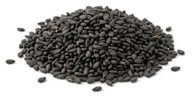
 White sesame seed
Use the same weight and toast lightly; the flavour is close but the colour will be paler.
 Sesame seed
Use the same weight; toast gently and crush if a black sesame paste is needed.


 Mustard seeds
Use equal weight. Pop in hot fat until they crackle and turn greyish; yields an almost identical nutty, pungent finish.
 Yellow mustard seeds
Use equal weight. Fry over medium heat; delivers a milder, sweeter pop and turns bitter quickly if the oil is excessively hot.


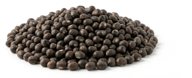 Whole black gram
Use equal weight. Needs longer soaking and cooking; the dark skins impart an earthy flavour and greyish-black hue unless thoroughly rubbed off.
- Chana dal
Use equal weight when tempering (tadka). Provides a comparable nutty, crunchy texture in hot oil, though grains are slightly larger.
- Split mung beans
Use equal weight for batters or dals. Ferments and cooks faster, producing a lighter, less sticky, and less viscous consistency.


 Bay leaf
Fry 1 bay leaf for every 5 curry leaves in hot oil; imparts a warm, woodsy background note, but misses the citrus-sulphury punch entirely.
 Lime juice
Add a small squeeze (about 5 ml per sprig of curry leaves) right before serving; provides sharp citrus top notes without the toasty, herbal aroma.


 Garlic powder
Use double the weight. Stir into hot oil just before adding wet ingredients; mimics the allium savoury background without the sulphurous edge.
 Garlic paste
Use 2 g for every 0.5 g of asafoetida. Sauté in oil until the raw smell clears; adds moisture and sweet allium depth.


Similar dishes
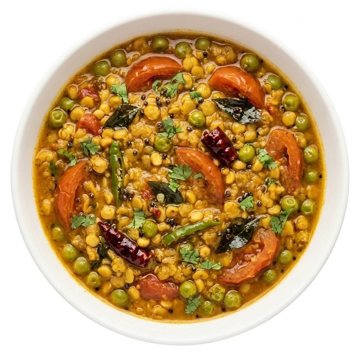
- Same: Kholamba is also a toor dal and tomato stew soured with tamarind and finished with a tempering of mustard seeds, curry leaves, and asafoetida in vegetable oil.
- Different: It replaces the drumsticks and shallots with green peas and builds its flavor from a freshly ground roasted paste of chana dal, fenugreek, and black peppercorns rather than prepared sambar masala.

- Same: Both are South Indian drumstick stews soured with tamarind and finished with a vegetable oil tempering of mustard seeds, urad dal, cumin, and curry leaves.
- Different: Puragayalu Pulussu omits the toor dal, whole drumstick pods, shallots, tomatoes, and sambar masala, relying instead on mashed vegetables, scraped drumstick pulp, and a toasted paste containing chana dal, raw rice, and fenugreek seeds.

- Same: Hyderabadi Khatti Dal shares toor dal, turmeric, tomato, tamarind, vegetable oil, mustard seeds, cumin, curry leaves and coriander leaves with this dish.
- Different: Hyderabadi Khatti Dal uses more toor dal and water plus garlic, has less tomato, and lacks drumstick, shallots, sambar masala, sesame seeds, coriander seeds, urad dal and asafoetida; it is finished with a garlicky curry-leaf tadka rather than this dish's drumstick-and-shallot sambar style.

- Same: Both are South Indian broths soured with tamarind and tempered in vegetable oil with mustard seeds, cumin, coriander seeds, and curry leaves.
- Different: Pappu Charu omits the toor dal, drumsticks, and sambar masala entirely, relying on standard onions and a vastly higher quantity of tamarind extract.