Indian cooking
Indian cooking / Dishes / Saanth-Bajrae ka Soweta
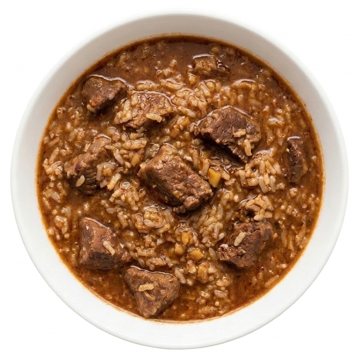
Saanth-Bajrae ka Soweta (Pork Skin with Millet)

Saanth-Bajrae ka Soweta

Pork Skin with Millet
Non-vegetarian●●●Origin RajasthanPrep 1 hour, plus soaking timeCook 2 hours

A rich, rustic Rajasthani specialty combining tender boiled pork skin and pearl millet simmered in a spiced milk broth. Hearty and warming, it carries deep earthy grain notes enriched by yogurt and ghee.

Broth spices

27 gAdded to the water for the broth (step 2)
02
20 g4 teaspoons
aromatic
Stir together to combine.

Chilli powder

10 gDivided between the broth (step 2) and the pork skin (step 4)
01
10 g4 teaspoons
spice
Keep handy to divide during cooking.

Everything else

01
175 g
grain
02
30 g2 tablespoons
vegetable
03
5 g2 teaspoons
aromatic
04
259 g250 ml
dairy
05
79 g6 tablespoons
oil/fat
06
64 g5 tablespoons
legume
07
Onion · Pyazthinly sliced
20 g2 tablespoons
vegetable
08
Pig skin with fatcut into 4-cm / 1½-inch pieces and boiled
1000 g
meat
09
61 g4 tablespoons
dairy
10
to taste
salt

Method

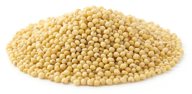
  1. Place 175 g millet in a bowl with a little water and leave to hydrate for 30 minutes. Pound the soaked grain coarsely in a mortar, then sift through a wire strainer, discarding any powdery residue. Return the crushed grains to fresh water, let them steep for 30 minutes, then agitate and drain thoroughly.
  2. Pour 1 litre water into a wide, heavy saucepan and add 2 tablespoon ground onion, 5 g ground ginger, half of the chilli powder, and the broth spices. Bring to a rolling boil over high heat and simmer vigorously for 15 minutes. Stir in 259 g milk, turn off the heat, and set the pot aside.
  3. In a separate large pot over medium-high heat, melt 1 tablespoon of the ghee (from 79.2 g total). Pour in enough water to cook the grains, bring to a boil, then add the drained millet, 5 tablespoon rinsed dal, and salt to taste. Cover and simmer for 15 minutes until half-tender. Pour in the prepared milk broth and simmer, stirring regularly, until the millet is thoroughly cooked and resembles a thick porridge.
  4. Warm the rest of the ghee in a separate pan over medium heat, add 2 tablespoon sliced onion, and fry for 5 to 7 minutes until deep golden brown; remove with a slotted spoon and set aside. To the hot fat in the pan, add 1000 g boiled pig skin, 61.2 g whisked yogurt, and the rest of the chilli powder. Drop the heat to low, cover with a tight lid, and braise for about 1 hour until the pan juices have fully dried up.
  5. Tip the braised pork skin and the crisp browned onions into the pot of cooked millet, stirring well to combine. Leave to cook over low heat for 30 minutes until flavours meld and fat floats to the surface.

Don't have something?

Millet
  • Rice

    Use the same weight; rinse and cook with about 2 parts water. It is stickier and lacks millet's nutty bite.

  • Broken rice

    Use the same weight; cooks faster, so check after 10 minutes. Good for porridge and upma.

  • Quinoa

    Use the same weight; rinse well and cook in 1.75 parts water. Higher protein and a different texture.

Chilli powder
  • Red chilli powder

    Use 100% of the weight. Provides direct, sharp heat and red colour in equal measure.

  • Kashmiri chilli powder

    Use 150% to 200% of the weight if matching colour, but add a pinch of black pepper or hot chilli if you need equivalent fiery heat.

  • Cayenne pepper

    Use 75% to 100% of the weight. Offers a sharp, clean heat with slightly less earthy depth and less crimson colour.

Ground coriander
  • Coriander seeds

    Dry-roast lightly in a pan and grind to a fine powder; use equal weight (1:1). Offers a noticeably fresher, brighter citrus note.

  • Ground cumin

    Use 50% to 75% of the weight. Lacks the floral, citrusy profile of coriander and turns the gravy heavier, earthier, and darker.

  • Garam masala

    Use 50% of the weight and stir in near the end of cooking. Adds warmth and depth since it contains ground coriander, but introduces stronger spices like clove and cinnamon.

Ground onion
  • Onion paste

    Use the same weight. It is already wet, so reduce added water and simmer 3–5 minutes longer; flavour is close but a little sweeter.

  • Boiled onion paste

    Use the same weight. Milder and wetter, so reduce liquid and cook 5 minutes longer.

  • Fried onion paste

    Use 50–70% of the weight. Stronger, sweeter and oilier; cut back on added oil and salt.

Ground garlic
  • Garlic powder

    Use equal weight (1:1). Behaves virtually identically, dissolving seamlessly into dry rubs or wet gravies.

  • Garlic paste

    Use 300% to 400% of the weight (e.g. 3–4 g paste for 1 g ground). Sauté in oil to cook off the raw moisture; imparts a fresher, sharper punch.

  • Garlic

    Finely mince or grate fresh cloves; use 300% to 400% of the weight. Fry gently in oil early in the cooking process to mellow the pungency.

Ginger
  • Fresh ginger

    Use equal weight; scrape off the skin and grate or finely julienne according to the recipe.

  • Ginger paste

    Use equal weight; stir straight into the sizzling aromatics, taking care as the extra moisture may spit.

  • Ground ginger

    Use 15 to 20% of the weight; add alongside ground spices, noting it imparts warm, dry heat rather than zesty freshness.

Milk
  • Whole milk

    Use equal weight; provides the standard rich dairy fat and body expected in creamy Indian bases.

  • Single cream

    Dilute 3 parts cream with 1 part water to match the weight; yields a richer, glossier gravy that resists curdling.

  • Plain yogurt

    Whisk thoroughly and use equal weight; adds extra body and a mild pleasant acidity, best added off the heat.

Ghee
  • Unsalted butter

    Use 120% of the weight; melt gently over low heat to avoid burning the milk solids, which will yield a softer, creamier richness rather than a nutty aroma.

  • Vegetable oil

    Use 85% of the weight; holds high cooking temperatures without smoking, but the final dish will lack traditional dairy depth.

  • Mustard oil

    Use equal weight; heat to smoking point and cool slightly before cooking, bearing in mind it introduces an assertive, pungent edge.

Split moong dal
  • Split green mung beans

    Use the same weight; slightly earthier and greener, with similar cooking time.

  • Split mung beans

    Use the same weight; essentially the same dal, so adjust only the colour and slight flavour.

  • Red lentils

    Use the same weight; cooks faster and softer, and turns pink, so reduce cooking time.

Onion
  • Shallot

    Use equal weight, finely sliced. Shallots soften and brown faster, giving a slightly sweeter and more delicate base to curries.

  • Cabbage

    Use 80% of the weight, finely shredded and browned slowly with a pinch of asafoetida. Replicates the bulk and natural sweetness in gravies without allium.


Pig skin with fat
  • Pork with fat

    Use the same weight; it gives fat and body but less gelatinous texture. Simmer a little longer until tender.

  • Pork with fat and bones

    Use the same weight; bones add body, but remove them before serving and allow 15–20 minutes extra cooking.

  • Pork rib

    Use the same weight; it is meatier and less skin-like, so cook 20–30 minutes longer until the fat softens.

Yogurt
  • Plain yogurt

    Use 100% of the weight. Whisk thoroughly until smooth before stirring into warm gravies to prevent curdling.

  • Single cream

    Use 90% of the weight combined with 10% lemon juice to replicate the lactic tang and rich body in marinades and curries.

Similar dishes

Boksa Pok
Pork with Mustard Leaves
Boksa Pok tastes lighter, bitter, and sharply of ginger, unlike the rich, spiced, and creamy dairy-based profile of this dish.
  • Same: Both dishes combine pork with a grain and use ginger, chilli powder, and salt.
  • Different: Boksa Pok stews pork with mustard greens and cooked rice with no added fat, while this dish cooks pork skin and pearl millet with ghee, milk, yogurt, garlic, coriander, and onion.
Wookhan
Pork Stew
Wookhan tastes lighter and more plainly savoury, with fresh green chilli and onion in a thin broth, while this dish is richer and earthier from millet, milk, yogurt, and ghee.
  • Same: Wookhan shares pork, onion, ginger, and salt with this dish, and both are simmered into a savoury pork preparation.
  • Different: Wookhan uses pork meat rather than pork skin with fat, and it lacks millet, split moong dal, milk, yogurt, ghee, garlic, chilli powder, and ground coriander; it relies on green chilli and a large amount of onion for its broth.
Ili
Pork Stew with Ginger
Ili has a lighter, sharply ginger-forward broth instead of the rich, spiced, and tangy dairy profile of this dish.
  • Same: Both are hearty stews combining pork and a grain, seasoned with ginger, chilli powder, and salt.
  • Different: Ili uses pork meat and rice rather than pork skin and millet, while omitting the garlic, coriander, onion, and the rich dairy base of milk, yogurt, and ghee found in this dish.
Wak Serjak
Pork Curry
Wak Serjak tastes lighter and tomato-sour with fresh chilli and ginger, while this dish tastes rich, creamy and earthy from millet, dal, milk, yogurt and ghee.
  • Same: Wak Serjak shares pork, onion, ginger, chilli and salt with this dish, and both are simmered.
  • Different: Wak Serjak uses pork meat, tomatoes and vegetable oil and lacks millet, moong dal, milk, yogurt, ghee and ground spices, while this dish simmers pork skin with grain, dal and dairy.