
Ili
A hearty Northeast Indian pork stew cooked with rice and fresh ginger, yielding a thick, comforting broth with a fragrant, mildly spicy kick.
Chilli masala
2.7 gAdded to the simmering pot (step 3)Everything else

Method
- Heat 1 litre (1¾ pints / 4¼ cups) of water in a large, heavy-bottomed pot until boiling.
- Add 1000 g pork and 200 g rice. Keep stirring as the pot returns to a boil, then lower the heat to maintain a gentle simmer for 2 minutes.
- Stir in 38.4 g ginger, the chilli masala, and salt to taste.
- Place a lid on the pot and simmer for 30 minutes, until the meat becomes tender and the cooking broth thickens.
Don't have something?
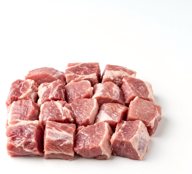
 Lamb shoulder
Use equal weight, diced similarly. Cook using the same slow braising method; lends a richer, slightly gamier flavour and retains moisture well.
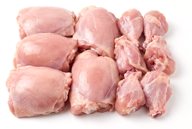 Chicken
Use equal weight of bone-in thighs. Cut into pieces and reduce simmering time by about half (cook for 25-30 minutes) to keep the meat succulent.


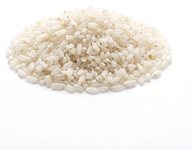 Coarsely broken rice
Use the same weight; rinse well and cook as directed. It is the closest match.
 Rice
Use the same weight; pulse briefly in a blender to break into coarse pieces, then rinse. It may need 2–3 minutes longer.
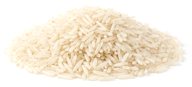 Basmati rice
Use the same weight; break it coarsely by hand or briefly in a blender. It gives a different aroma and needs a little longer cooking.


 Fresh ginger
Use equal weight; scrape off the skin and grate or finely julienne according to the recipe.
 Ginger paste
Use equal weight; stir straight into the sizzling aromatics, taking care as the extra moisture may spit.
 Ground ginger
Use 15 to 20% of the weight; add alongside ground spices, noting it imparts warm, dry heat rather than zesty freshness.



 Chilli powder
Use equal weight. Stir in directly with the dry spices; delivers comparable heat and red colour.
 Kashmiri chilli powder
Use 130% to 150% of the weight. Provides brilliant ruby colour with roughly half the fiery heat.
 Yellow chilli powder
Use 75% of the weight. Gives a sharp, clean pungency without tinting the sauce red.


Similar dishes
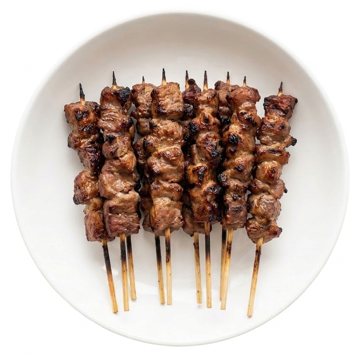
- Same: Oma Bedoi Saonai also uses pork seasoned simply with salt.
- Different: Instead of being stewed, Oma Bedoi Saonai is skewered and grilled over hot coals without the ginger or red chilli powder.

- Same: Like this dish, Wookhan is an oil-free pork stew seasoned simply with ginger, chillies, and salt.
- Different: Wookhan incorporates a large amount of onions and fresh green chillies instead of red chilli powder, while using far less ginger and omitting the rice.

- Same: Wak Serjak shares pork, ginger, chilli and salt with this dish, and both are stewed pork dishes.
- Different: Wak Serjak adds vegetable oil, onion, tomato and green chilli and uses ginger paste, while this dish uses broken rice, fresh ginger and red chilli powder and has no onion or tomato.
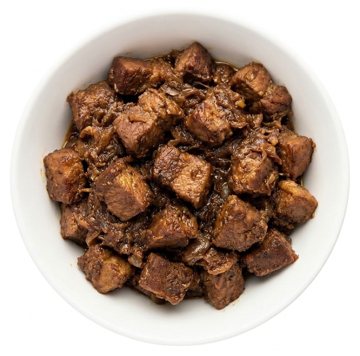
- Same: Oma Eoni shares pork, ginger, and salt with this dish, and neither lists a souring agent.
- Different: Oma Eoni uses vegetable oil, garlic paste, and onion paste and lacks this dish's broken rice and red chilli powder, and it is fried and simmered in its juices rather than stewed with rice.