
Rezhala
A fragrant, creamy lamb braise infused with green chillies, aromatic whole spices, and a rich sauce of yoghurt and milk.
Marinade spice
5 gStirred into the yoghurt marinade (step 1)Simmering spices
6 gAdded to the pan with the milk (step 4)Everything else

Method
- Individually blitz 300 g onion, 24 g ginger, and 24 g garlic to smooth purees in a blender, trickling in a splash of water if needed to help them catch.
- Transfer the purees to a bowl, incorporate 414 g yogurt and the marinade spice, then toss thoroughly with 1000 g lamb. Cover and refrigerate for 1 hour.
- Melt 200 g ghee in a wide, heavy-bottomed pot over medium-high heat. Tip in the lamb together with all of its marinade and sear for 5 minutes. Drop the heat to low-medium and cook for another 10 minutes until the meat is halfway done.
- Stir in 259 g milk, 60–90 g green chilli, 1 teaspoon almond, 1 teaspoon cashew nut, the simmering spices, and salt to taste.
- Cover with a tight-fitting lid and let the stew simmer on low heat for roughly 1 hour, until the meat is completely tender.
Don't have something?


 Unsalted butter
Use 120% of the weight; melt gently over low heat to avoid burning the milk solids, which will yield a softer, creamier richness rather than a nutty aroma.
 Vegetable oil
Use 85% of the weight; holds high cooking temperatures without smoking, but the final dish will lack traditional dairy depth.
 Mustard oil
Use equal weight; heat to smoking point and cool slightly before cooking, bearing in mind it introduces an assertive, pungent edge.






 Dried tamarind
Use about 50–60% of the weight. Soak in hot water and use the strained pulp. Gives clean sourness but loses the plum's fruity sweetness.
 Dried mango powder
Use about 30–40% of the weight; amchoor is much more concentrated. Stir in near the end. Sharp, dry sourness without fruitiness.
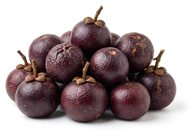 Wild mangosteen
Use about 50% of the weight. Soak in hot water and use the sour liquor or add whole pieces. Fruity sourness, but a different aroma.


 Pistachio nut
Use the same weight; blanch and peel for a brighter green paste. This is the closest match.
 Almond
Use the same weight; blanch and peel. It is firmer and less sweet, so grind a little longer.
 Cashew nut
Use the same weight; soak in hot water for 15 minutes for a smooth paste. It is sweeter and softer.


- Cashew nut
Use equal weight. Soak in warm water and grind to a paste or fry identically; yields a slightly creamier and sweeter sauce.
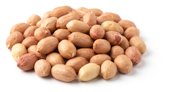 Shelled peanut
Use equal weight. Lightly roast, skin, and grind; introduces a heavier body and a pronounced roasted-nut aroma.

- Almond
Use 100% of the weight. Soak in boiling water and slip off skins before frying or grinding; gives a lighter, slightly less sweet richness to curries.
 Poppy seed
Use 60% of the weight for gravies. Soak in warm water and grind into a fine paste to thicken royal kormas without adding heavy oiliness.
- Shelled peanut
Use 100% of the weight. Roast, skin, and grind; creates a thicker, earthier texture typical of Maharashtrian and western Indian curries.


 Chilli powder
Use 10 to 15% of the weight (about 1/4 teaspoon per chilli); imparts dry pungent heat and reddens the dish without the grassy crunch.
 Dried red chilli
Use 1 dried pod per fresh green chilli; snap in half and temper in hot oil for a deeper, toastier heat.


 Ground ginger
Use 50% of the weight. Mimics turmeric's warm, earthy, rhizome background, but provides none of the golden-yellow colour.
 Saffron
Steep a tiny pinch (0.1 g per 2 g turmeric) in 2 tbsp warm water; use to match the rich golden hue. Contributes an aristocratic, honeyed floral flavour rather than earthy bitterness.


 Cinnamon stick
Use a 2 cm piece (about 1 g) for every 1 to 2 bay leaves. Fry in whole-spice temperings; provides the cassia-like warmth typical of Indian tejpatta.
 Ground cinnamon (cassia)
Use 0.5 g per leaf. Stir into the sauce during simmering; gives the same warm woodiness but darkens the colour slightly.


 Green cardamom seed
Use 35 to 40% of the total pod weight; lightly bruise the seeds before frying in oil to release their essential oils.
 Ground green cardamom
Use 20 to 25% of the pod weight (about 1 generous pinch per pod); stir in toward the end of cooking so the delicate floral notes do not dissipate.
 White cardamom pod
Use 1:1 by pod count or weight; crack gently before using, though it is slightly less intensely floral.


 Ground black cardamom
Use 0.5 g of ground seeds for each whole pod. Stir directly into the curry base; delivers identical smoky flavour without woody husks.
- Green cardamom pod
Use equal pod count or weight. Crack slightly and fry whole; tastes sweet, menthol-fresh, and floral rather than dark and smoky.


 Coarsely ground black pepper
Use 75% of the weight. Add midway through simmering; spreads heat evenly through the dish instead of delivering isolated bursts.
 Ground black pepper
Use 50% of the weight. Stir in near the end of cooking; significantly darkens light gravies and provides an immediate, sharp bite.



 Whole milk
Use equal weight; provides the standard rich dairy fat and body expected in creamy Indian bases.
 Single cream
Dilute 3 parts cream with 1 part water to match the weight; yields a richer, glossier gravy that resists curdling.
 Plain yogurt
Whisk thoroughly and use equal weight; adds extra body and a mild pleasant acidity, best added off the heat.


 Fresh ginger
Use equal weight; scrape off the skin and grate or finely julienne according to the recipe.
 Ginger paste
Use equal weight; stir straight into the sizzling aromatics, taking care as the extra moisture may spit.
- Ground ginger
Use 15 to 20% of the weight; add alongside ground spices, noting it imparts warm, dry heat rather than zesty freshness.



 Garlic paste
Use equal weight. Fry gently in oil or ghee with the ginger; incorporates smoothly into curries without visible minced bits.
 Garlic powder
Use 15% to 20% of the weight (about 1 g for every 5 to 6 g fresh cloves). Whisk into sauces; gives a savoury, toasted garlic flavour without raw pungency.
 Shallot
Use 1.5 times the weight, very finely minced. Sauté until golden; provides savoury allium sweetness, though it lacks garlic's pungent sulphur bite.



 Coriander seeds
Dry-roast lightly in a pan and grind to a fine powder; use equal weight (1:1). Offers a noticeably fresher, brighter citrus note.
 Ground cumin
Use 50% to 75% of the weight. Lacks the floral, citrusy profile of coriander and turns the gravy heavier, earthier, and darker.
 Garam masala
Use 50% of the weight and stir in near the end of cooking. Adds warmth and depth since it contains ground coriander, but introduces stronger spices like clove and cinnamon.


- Plain yogurt
Use 100% of the weight. Whisk thoroughly until smooth before stirring into warm gravies to prevent curdling.
- Single cream
Use 90% of the weight combined with 10% lemon juice to replicate the lactic tang and rich body in marinades and curries.
Similar dishes

- Same: Khare Masale ka Gosht shares lamb, ghee, onion, yogurt, ginger, garlic, salt, and whole spices such as bay leaf, black cardamom, green cardamom, and black peppercorn with this dish, and both are braises.
- Different: Khare Masale ka Gosht adds tomato and whole coriander seeds, clove, and cinnamon, while it lacks this dish’s dried sour plum, milk, green chilli, turmeric, ground coriander, and pistachio, almond, and cashew nuts.
- Same: Khare Masale ka Gosht and this dish are both lamb curries cooked with yogurt, ghee, ginger, garlic, onion, turmeric, bay leaf, green cardamom, black cardamom, and black peppercorn.
- Different: Khare Masale ka Gosht uses 500 g lamb, 66 g ghee, 25 g onion, and 254 g yogurt, while this dish uses 1000 g lamb, 200 g ghee, 1800 g onion, 414 g yogurt, plus milk, dried sour plum, pistachio, almond, cashew nut, and green chilli; Khare Masale ka Gosht adds dried red chilli, coriander seeds, clove, cinnamon stick, and coriander leaf instead.

- Same: Elayachi Gosht also braises lamb in ghee using a thick yoghurt base seasoned with onions, ginger, green chillies, ground coriander, and both green and black cardamoms.
- Different: It omits the milk, garlic, turmeric, bay leaf, and nut paste found in this dish, while adding red chilli powder and a vastly higher quantity of cardamom.

- Same: Both braise lamb in ghee with onions, ginger, garlic, green chillies, ground coriander, and a large quantity of yoghurt.
- Different: Dahi ka Dungara Gosht layers the meat with fresh mint, a much higher proportion of yoghurt, and charcoal smoke, omitting the milk, nuts, turmeric, and whole cardamoms cooked into this dish.