
Rasse Misse Rajma
A comforting North Indian curry of tender kidney beans simmered in a rich, spiced onion-tomato gravy.
Whole simmering spices
9 gAdded to the parboiled beans in step 2Ground spices for the sauce
4.4 gBlended with water in step 3Tempering spices
7 gBloomed in the hot ghee in step 4Aromatic pastes
52 gStirred into the browned onions in step 4Finishing spices
3.6 gDusted over the curry at the end of cooking in step 6Everything else


Method
- Cover 250 g dried red kidney bean with cold water and soak overnight.
- Drain the soaked beans and tip them into a large, heavy saucepan with 1.5 litres of water. Bring to a rolling boil and skim away any surface foam for 10 minutes. Drop the heat to low, add the whole simmering spices, and cook for 1 to 1½ hours until completely soft. Fish out and discard the whole simmering spices.
- Whisk the ground spices for the sauce with 4 tablespoons of water and a pinch of salt until smooth.
- Warm 92.4 g ghee in a skillet over medium heat. Add the tempering spices and stir for 1 minute until the seeds crackle. Add 200 g onion and sauté for 5 minutes until pale gold. Add the aromatic pastes and cook for 2 to 3 minutes until the onions are deeply browned, then stir in the ground spices for the sauce and cook for 30 seconds.
- Stir in 200 g tomato and cook for about 5 minutes, stirring frequently, until the fat separates from the masala base.
- Tip the cooked kidney beans and their cooking liquid into the skillet. Bring to a boil, then reduce the heat to low and simmer gently for 7 minutes.
- Stir in the finishing spices and season with salt to taste. Take the pan off the heat and scatter with 12 g ginger and 2 g coriander leaf to finish.
Don't have something?


 Dried chickpea
Use equal weight. Soak overnight and boil until tender; texture is firmer and nuttier, but it carries thick, spiced gravies equally well.
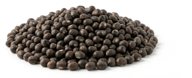 Whole black gram
Use equal weight, soaked overnight and pressure-cooked. Yields a creamier, starchier gravy with an earthier taste rather than distinct, firm beans.


 Ground black cardamom
Use 0.5 g of ground seeds for each whole pod. Stir directly into the curry base; delivers identical smoky flavour without woody husks.
 Green cardamom pod
Use equal pod count or weight. Crack slightly and fry whole; tastes sweet, menthol-fresh, and floral rather than dark and smoky.


 Cinnamon stick
Use a 2 cm piece (about 1 g) for every 1 to 2 bay leaves. Fry in whole-spice temperings; provides the cassia-like warmth typical of Indian tejpatta.
 Ground cinnamon (cassia)
Use 0.5 g per leaf. Stir into the sauce during simmering; gives the same warm woodiness but darkens the colour slightly.


 Coriander seeds
Dry-roast lightly in a pan and grind to a fine powder; use equal weight (1:1). Offers a noticeably fresher, brighter citrus note.
 Ground cumin
Use 50% to 75% of the weight. Lacks the floral, citrusy profile of coriander and turns the gravy heavier, earthier, and darker.
 Garam masala
Use 50% of the weight and stir in near the end of cooking. Adds warmth and depth since it contains ground coriander, but introduces stronger spices like clove and cinnamon.


 Red chilli powder
Use 100% of the weight. Provides direct, sharp heat and red colour in equal measure.
 Kashmiri chilli powder
Use 150% to 200% of the weight if matching colour, but add a pinch of black pepper or hot chilli if you need equivalent fiery heat.
 Cayenne pepper
Use 75% to 100% of the weight. Offers a sharp, clean heat with slightly less earthy depth and less crimson colour.


 Unsalted butter
Use 120% of the weight; melt gently over low heat to avoid burning the milk solids, which will yield a softer, creamier richness rather than a nutty aroma.
 Vegetable oil
Use 85% of the weight; holds high cooking temperatures without smoking, but the final dish will lack traditional dairy depth.
 Mustard oil
Use equal weight; heat to smoking point and cool slightly before cooking, bearing in mind it introduces an assertive, pungent edge.


 Dried kashmiri chilli
Use equal weight whole. Fry in hot oil or ghee as tempered spice; gives a richer red colour with slightly milder heat.
- Red chilli powder
Use 50% to 70% of the weight. Stir into the oil with ground spices; distributes heat evenly throughout the dish without whole chilli skins.


- Ground cumin
Use 70% of the weight; add with ground spices or sauce bases rather than hot oil tempering, where it scorches quickly and turns bitter.
 Black cumin seeds
Use equal weight for oil tempering. Delivers an earthy profile with an additional musky, smoky, and slightly bitter edge.
 Fennel seed
Use 60% of the weight for tempering; offers comparable warm aroma, but leans sweet and liquorice-like rather than savoury and earthy.






 Fresh ginger
Use equal weight; peel and grate very finely on a microplane or pound to a fine paste in a mortar.
 Ginger
Use equal weight; mince finely and crush with the flat of a knife before frying.
 Ground ginger
Use 20% of the weight; add directly with the dry spice powders, though it yields an earthier, less pungent profile.


 Garlic
Use equal weight; crush or finely grate to a smooth pulp to replicate the same fresh, pungent moisture in your base gravy.
 Garlic powder
Use 20 to 25% of the weight; mix with a teaspoon of water before adding to oil so it does not burn, noting it lacks the fresh bite.


 Tomato purée
Use 40% to 50% of the fresh tomato weight mixed with a splash of water. Imparts a deeper red colour, thicker sauce, and slightly sweeter cooked flavour.
 Plain yogurt
Use 60% of the weight, whisked smooth and added on low heat. Provides rich body and sourness, though the gravy becomes paler and creamier.


 Black cardamom seeds
Use equal weight; grind freshly in a mortar or spice mill for an even more vibrant camphor-and-smoke aroma.
- Black cardamom pod
Use 2.5 times the weight in whole pods; crack open, extract the sticky seeds, and grind to a fine powder, discarding the husks.
- Garam masala
Use 60% of the weight; provides some warm resinous smokiness if it contains black cardamom, though it adds cinnamon and clove notes.


 Black peppercorn
Use 1:1 by weight; pulverise in a spice mill or mortar to a fine powder for immediate, punchy heat.
 Coarsely ground black pepper
Use equal weight; offers the same bite, though it gives a visibly speckled finish and firmer crunch.


- Fresh ginger
Use equal weight; scrape off the skin and grate or finely julienne according to the recipe.
- Ginger paste
Use equal weight; stir straight into the sizzling aromatics, taking care as the extra moisture may spit.
- Ground ginger
Use 15 to 20% of the weight; add alongside ground spices, noting it imparts warm, dry heat rather than zesty freshness.


Similar dishes
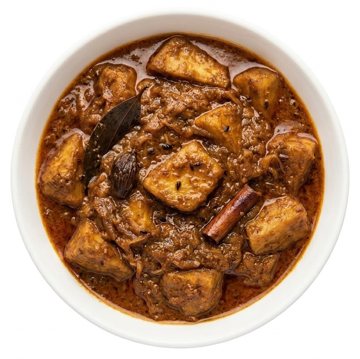
- Same: Both are North Indian gravies built on an onion, ginger, and garlic base seasoned with cumin, black cardamom, bay leaf, coriander, and chilli powder.
- Different: Dum ki Arabi features taro root cooked in vegetable oil with yogurt, boiled onion paste, cinnamon, and cloves instead of kidney beans cooked in ghee with fresh tomatoes.

- Same: Maas Banjara shares ghee, onion, ginger paste, garlic paste, black cardamom, chilli powder, dried red chilli, and salt with this dish.
- Different: Maas Banjara uses lamb and plain yogurt instead of kidney beans and tomato, and it lacks this dish's cumin seed, ground coriander, bay leaf, and coriander leaf.

- Same: Machhali ka Salan shares an onion and tomato sauce base seasoned with dried red chillies, chilli powder, ground coriander, ginger, and garlic with this dish.
- Different: Instead of simmering kidney beans in ghee with black cardamom, cumin, and bay leaf, Machhali ka Salan cooks fish in vegetable oil with coconut milk, tamarind extract, and turmeric.

- Same: Masaledar Mutton and this dish are both spiced onion-tomato curries made with ghee, ginger paste, garlic paste, chilli powder, ground coriander, bay leaf and tomato.
- Different: Masaledar Mutton uses lamb and adds turmeric, garam masala, ground cumin and green chilli, while it lacks kidney beans, black cardamom, dried red chilli and cumin seed; it also uses vegetable oil alongside ghee.