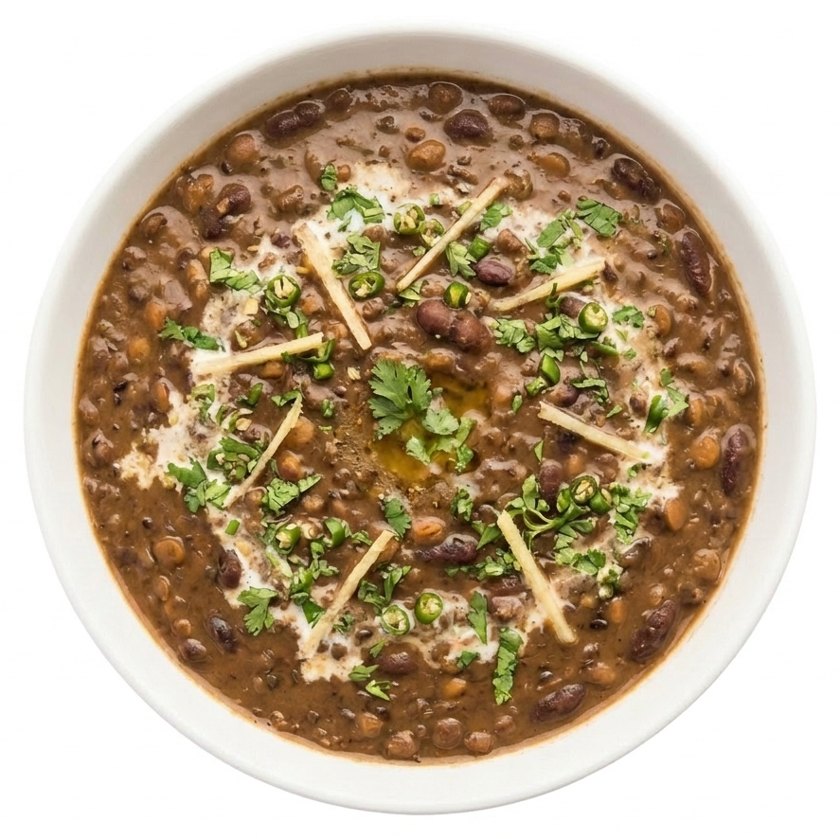
Punjabi Kaali Dal
Punjabi kaali dal is a slow-cooked lentil curry made from urad dal, chana dal and kidney beans, finished with tomato, garlic, ginger and butter. It is thick and creamy, with gentle warmth from the spices and a cooling cream garnish.
Spices for the hot oil
2.4 gAdded to the hot oil with the slit green chilli (step 7)Chilli powder for the sauce
2.5 gStirred in after the ginger (step 13)Finishing masala
1.3 gStirred in with the butter at the end (step 17)Everything else

Method
- Drain 280 g whole urad dal and 60 g red kidney bean. Put them in a large heavy pan with 1.5 litres water and 0.3 g salt.
- Bring to the boil, then simmer over low heat for 1 hour, stirring occasionally and removing the foam.
- Drain 60 g chana dal and add it to the pan. Cook for another 1 hour 15 minutes.
- Drain the pulses and keep the cooking water.
- Mash the pulses coarsely with a potato masher, leaving some whole.
- Heat 40.5 g vegetable oil in a large heavy pan over low heat.
- Add the spices for the hot oil and 2 g green bird's eye chilli, slit lengthways; let them sizzle for 5 seconds.
- Add 18 g garlic, finely chopped, and fry for 20 seconds.
- Turn the heat to medium. Add 150 g onion, finely chopped, and fry for 7-10 minutes until soft, stirring so it does not stick.
- Add 240 g tomato, finely chopped, and fry for 2 minutes, crushing it with the back of the spoon as it softens.
- Add 46.8 g tomato purée and cook for 1 minute.
- Add 10 g fresh ginger, finely chopped, and fry for 1 minute.
- Stir in the chilli powder for the sauce.
- Add the mashed pulses and stir well so the spices are evenly mixed in.
- Pour in 650 ml of the reserved cooking water and stir.
- Bring to the boil, then cover and simmer over low heat for 20-25 minutes, stirring often so the dal does not catch on the bottom.
- Stir in the finishing masala and 14.1 g butter. Simmer for 1 minute.
- Drizzle over 60.9 g single cream.
- Scatter with coriander leaves to taste, 6 g fresh ginger cut into slivers, and 2 g green bird's eye chilli, finely chopped.
Don't have something?

 Black gram
Use 100% of the weight. If using split black urad dal (chilka), cooking time reduces by roughly a third; if using skinless white urad, the dal will lack the dark hue and earthy skin flavour.
 Dried red kidney bean
Use 100% of the weight, soaked overnight and pressure cooked until tender. Provides the hearty texture needed in slow-cooked lentils like Dal Makhani.


 Chickpea
Use the same dried weight, soak overnight and pressure cook 15-20 minutes longer. Firmer and nuttier.
 Black-eyed pea
Use the same weight; no soaking needed and cooks 20-25 minutes faster. Less creamy.
 Red cowpea
Use the same weight, soak 2 hours and cook 15-20 minutes less. Softer and earthier.


 Yellow split peas
Use 100% of the weight. Soak for at least 1 hour; takes about 10 minutes longer to cook through and has a marginally earthier flavour.
 Pigeon peas
Use 100% of the weight. Reduces cooking time by about 10 minutes and breaks down softer, giving a smoother consistency rather than distinct grains.
- Black gram
For tempering or tadka only: use 70% of the weight. Browns faster in hot oil, providing a nutty, crunchy bite.


 Peanut oil
Use 1:1 by weight. Handles high-heat frying identically and introduces a very subtle, pleasant nuttiness.
 Ghee
Use 1:1 by weight. Yields a much richer, authentic aroma and a glossy, heavier mouthfeel.
 Mustard oil
Use 1:1 by weight. Heat until smoking, then cool slightly before cooking to temper its intensely pungent, sharp mustard kick.


 Garlic powder
Use double the weight. Stir into hot oil just before adding wet ingredients; mimics the allium savoury background without the sulphurous edge.
 Garlic paste
Use 2 g for every 0.5 g of asafoetida. Sauté in oil until the raw smell clears; adds moisture and sweet allium depth.


- Bird's eye green chilli
Use the same weight; heat and flavour are very close.
 Green chilli
Use 1.5 to 2 times the weight; deseed for less heat. Larger chillies are more watery.
 Fresh green chilli
Use 1.5 to 2 times the weight; chop finely and adjust heat by tasting.


 Ground cumin
Use 70% of the weight; add with ground spices or sauce bases rather than hot oil tempering, where it scorches quickly and turns bitter.
 Black cumin seeds
Use equal weight for oil tempering. Delivers an earthy profile with an additional musky, smoky, and slightly bitter edge.
 Fennel seed
Use 60% of the weight for tempering; offers comparable warm aroma, but leans sweet and liquorice-like rather than savoury and earthy.



- Garlic paste
Use equal weight. Fry gently in oil or ghee with the ginger; incorporates smoothly into curries without visible minced bits.
- Garlic powder
Use 15% to 20% of the weight (about 1 g for every 5 to 6 g fresh cloves). Whisk into sauces; gives a savoury, toasted garlic flavour without raw pungency.
 Shallot
Use 1.5 times the weight, very finely minced. Sauté until golden; provides savoury allium sweetness, though it lacks garlic's pungent sulphur bite.



 Tomato purée
Use 40% to 50% of the fresh tomato weight mixed with a splash of water. Imparts a deeper red colour, thicker sauce, and slightly sweeter cooked flavour.
 Plain yogurt
Use 60% of the weight, whisked smooth and added on low heat. Provides rich body and sourness, though the gravy becomes paler and creamier.

- Tomato
Use 200% to 250% of the weight. Finely grate or blend fresh tomatoes, then cook them down until the moisture evaporates and the oil separates.


 Ginger paste
Use equal weight. Sauté in hot fat until the raw allium smell disappears; slightly wetter, but provides identical warmth and pungency.
 Ground ginger
Use 20% to 25% of the weight (1 g for every 4 to 5 g fresh). Stir into the gravy; adds peppery heat and warmth, though it misses the crisp, zesty kick of raw root.


 Kashmiri chilli powder
Use the same weight; this is the first half of the book's option and gives the best red colour with mild heat.
 Mild paprika
Use the same weight; add a pinch of cayenne pepper for warmth. Slightly less colour.
- Paprika
Use the same weight and add cayenne pepper to taste; works but is less aromatic.


- Ground cumin
Use 50% of the weight mixed with equal parts ground coriander and a pinch of ground cinnamon, ground cloves, and ground green cardamom. Sprinkle near the end for a warming finish.
 Lentil stew spice mix
Use 75% of the weight. Simmer briefly in the gravy; imparts roasted warmth and complexity, though it adds a slight tang and earthy lentil undertone.


 Unsalted butter
Use 100% of the weight. If the original recipe relies on salted table butter, add a pinch of salt to balance.
- Ghee
Use 80% to 85% of the weight. Ghee is pure butterfat with moisture removed; it yields a deeper, nuttier flavour and handles high heat better.
- Vegetable oil
Use 80% of the weight for frying or tempering. The dish loses sweet dairy richness but remains glossy and light.


 Whole milk
Use equal weight, whisked with a small knob of unsalted butter. Simmer gently over low heat to reduce curdling; sauce will be slightly lighter.
 Clotted cream
Use 50% weight combined with 50% whole milk, whisked until smooth. Adds intense richness, so stir in at the very end off the heat.
 Cashew paste
Use 60% cashew paste mixed with 40% warm water. Creates a silky, luxurious thickening that won't split even under high heat.


 Coriander (cilantro) or basil
Use the same weight, choosing the coriander element if available. If only basil is available, expect a sweeter, more aniseed flavour.
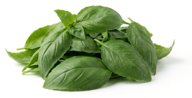 Basil leaves
Use the same weight. Basil is sweeter and more aromatic in a different way; add near the end so it keeps its perfume.
 Coriander paste
Use 1.5 times the weight and reduce other liquid slightly; it is less fresh and more concentrated, so taste before adding more.


Similar dishes

- Same: Goa Feijoada shares kidney beans, onion, garlic, ginger, tomato purée, green bird’s eye chilli, Kashmiri chilli powder, garam masala and vegetable oil with this dish.
- Different: Goa Feijoada lacks this dish’s urad dal, chana dal, asafoetida, cumin seed, butter and cream, and it uses tamarind, jaggery, black salt and a large amount of water instead.

- Same: Punjabi Langarwalli Dal shares urad dal, asafoetida, fresh ginger, green bird’s eye chilli, tomato, Kashmiri chilli powder, garam masala, coriander and salt with this dish.
- Different: Punjabi Langarwalli Dal uses split urad dal only, with no kidney beans, chana dal, onion, garlic, tomato purée or cream, and it uses ghee plus turmeric, sugar and dried red chillies with a cumin-chilli tadka instead of butter and vegetable oil.

- Same: Sookhi Mangori shares a lentil base, asafoetida, onion, tomato, garlic, ginger, garam masala and salt with this dish.
- Different: Sookhi Mangori uses moong dal dumplings and ghee, while this dish uses urad dal, chana dal and kidney beans with oil, butter and cream, and it lacks this dish's cumin seed, tomato purée and fresh green chilli.
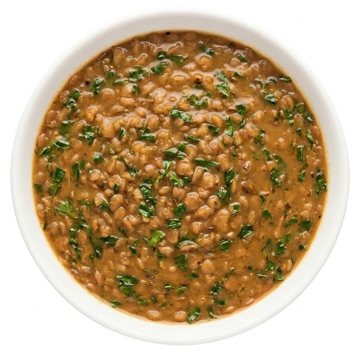
- Same: Indore Ki Methi Dal and this dish are both lentil dals seasoned with asafoetida, cumin, garlic, ginger, onion, tomato, Kashmiri chilli powder and garam masala.
- Different: Indore Ki Methi Dal uses only masoor dal with fenugreek leaves, lemon and sugar, and is finished with a cumin-asafoetida tempering, while this dish uses urad dal, chana dal and kidney beans and finishes with butter and cream.