Indian cooking
Indian cooking / Dishes / Indore Ki Methi Dal
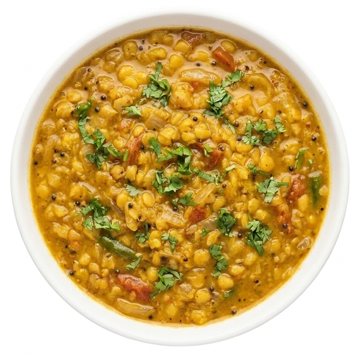
Indore Ki Methi Dal (Masoor Dal with Fenugreek Leaves, Cumin, Chilli and Garam Masala)

Indore Ki Methi Dal

Masoor Dal with Fenugreek Leaves, Cumin, Chilli and Garam Masala
VegetarianOrigin West

A soft masoor dal cooked with fenugreek leaves and finished with a cumin-asafoetida tempering and lemon. It tastes earthy, gently spicy and fresh.

Dal turmeric

3 gAdded to the dal and water before boiling (step 1)
01
3 g1 teaspoon
spice
Keep as is: it goes into the pot with the dal.

Tempering

2.4 gAdded to the hot ghee or oil (step 3)
01
~0.3 gpinch
spice
02
2.1 g1 teaspoon
spice
Keep whole: let them sizzle in the fat.

Fenugreek ground spices

0.6 gStirred in with the fenugreek leaves (step 7)
02
~0.3 gpinch
spice blend
Keep ground: add them together with the leaves.

Everything else

02
1193 g1.2 l
liquid
03
27 g2 tablespoons
oil/fat
04
Garlic · Lehsuncrushed to a paste
3 g1 clove
aromatic
05
Fresh ginger · Adrakground to a paste
10 g2½ cm
aromatic
06
Onion · Pyazfinely chopped
50 g
vegetable
07
Tomato · Tamatarfinely chopped
70 g
vegetable
08
100 g
herb
09
2.1 g½ teaspoon
sweetener
10
25 g½ lemon
fruit
11
to taste
salt

Method

  1. Put 250 g masoor dal, the dal turmeric (3 g ground turmeric) and 1100 g of the 1193 g water into a large saucepan. Heat over a medium flame until boiling.
  2. Lower the heat and simmer for 40–45 minutes, stirring now and then, until the dal is soft. Mash lightly with a potato masher and set aside.
  3. Heat 27 g ghee or vegetable oil in a large saucepan over a medium flame. Add the tempering (0.3 g asafoetida and 2.1 g cumin seed) and let it sizzle for a few seconds.
  4. Add 3 g garlic paste and 10 g ginger paste. Fry for 10 seconds.
  5. Add 50 g onion and fry for 5 minutes, until it starts to soften.
  6. Add 70 g tomato and cook for 3–4 minutes, until it starts to soften.
  7. Add 100 g fenugreek leaves and the fenugreek ground spices (0.3 g kashmiri chilli powder and 0.3 g garam masala). Stir well and cook for 3–4 minutes.
  8. Add the cooked dal and 2.1 g sugar. Stir, then season with salt.
  9. Pour in the remaining 93 g water to loosen the consistency. Simmer over a low flame for 5 minutes.
  10. Stir in 25 g lemon juice.

Don't have something?

Masoor dal
  • Split mung beans

    Use equal weight; cooks down to a creamy, comforting purée in roughly the same 20-25 minutes, with a paler yellow colour.

  • Pigeon peas

    Use equal weight; needs 15 minutes longer cooking or pressure cooking, producing a slightly grainier, nuttier dal.

  • Chana dal

    Use equal weight; pre-soak for 1 hour and cook for 20 minutes longer; stays whole rather than breaking down into a silky soup.

Ground turmeric
  • Ground ginger

    Use 50% of the weight. Mimics turmeric's warm, earthy, rhizome background, but provides none of the golden-yellow colour.

  • Saffron

    Steep a tiny pinch (0.1 g per 2 g turmeric) in 2 tbsp warm water; use to match the rich golden hue. Contributes an aristocratic, honeyed floral flavour rather than earthy bitterness.

Water
  • Stock

    Use the same weight in savoury dishes; it adds body, so adjust salt.

  • Milk

    Use the same weight only in doughs or creamy dishes; it makes the result richer.

  • Coconut water

    Use the same weight in curries or rice; it adds sweetness and a faint coconut taste.

Ghee or vegetable oil
  • Peanut oil

    Use equal weight; handles high tempering heat well and keeps flavours neutral.

  • Butter

    Use equal weight; cook over gentle heat to prevent browning the milk solids too quickly.

Asafoetida
  • Garlic powder

    Use double the weight. Stir into hot oil just before adding wet ingredients; mimics the allium savoury background without the sulphurous edge.

  • Garlic paste

    Use 2 g for every 0.5 g of asafoetida. Sauté in oil until the raw smell clears; adds moisture and sweet allium depth.

Cumin seed
  • Ground cumin

    Use 70% of the weight; add with ground spices or sauce bases rather than hot oil tempering, where it scorches quickly and turns bitter.

  • Black cumin seeds

    Use equal weight for oil tempering. Delivers an earthy profile with an additional musky, smoky, and slightly bitter edge.

  • Fennel seed

    Use 60% of the weight for tempering; offers comparable warm aroma, but leans sweet and liquorice-like rather than savoury and earthy.

Garlic
  • Garlic paste

    Use equal weight. Fry gently in oil or ghee with the ginger; incorporates smoothly into curries without visible minced bits.

  • Garlic powder

    Use 15% to 20% of the weight (about 1 g for every 5 to 6 g fresh cloves). Whisk into sauces; gives a savoury, toasted garlic flavour without raw pungency.

  • Shallot

    Use 1.5 times the weight, very finely minced. Sauté until golden; provides savoury allium sweetness, though it lacks garlic's pungent sulphur bite.

Fresh ginger
  • Ginger paste

    Use equal weight. Sauté in hot fat until the raw allium smell disappears; slightly wetter, but provides identical warmth and pungency.

  • Ground ginger

    Use 20% to 25% of the weight (1 g for every 4 to 5 g fresh). Stir into the gravy; adds peppery heat and warmth, though it misses the crisp, zesty kick of raw root.

Onion
  • Shallot

    Use equal weight, finely sliced. Shallots soften and brown faster, giving a slightly sweeter and more delicate base to curries.

  • Cabbage

    Use 80% of the weight, finely shredded and browned slowly with a pinch of asafoetida. Replicates the bulk and natural sweetness in gravies without allium.

Tomato
  • Tomato purée

    Use 40% to 50% of the fresh tomato weight mixed with a splash of water. Imparts a deeper red colour, thicker sauce, and slightly sweeter cooked flavour.

  • Plain yogurt

    Use 60% of the weight, whisked smooth and added on low heat. Provides rich body and sourness, though the gravy becomes paler and creamier.

Fresh fenugreek leaves
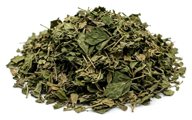
  • Dried fenugreek leaf

    Use 12% of the weight, soak in warm water for 10 minutes, drain, and add. Stronger and less fresh-tasting.

  • Dried fenugreek leaves

    Use 10% of the weight, crush between your palms, and add near the end. Gives the dried methi aroma.

  • Spinach

    Use the same weight, chopped, and add 2 minutes earlier. Milder, with no bitter methi flavour.

Kashmiri chilli powder
  • Dried kashmiri chilli

    Grind deseeded dried pods to an equal weight of powder; gives identical vivid red colour and gentle warmth.

  • Red chilli powder

    Use 25% of the weight mixed with sweet paprika for colour; straight red chilli powder is substantially hotter and will make the dish fiery.

  • Chilli powder

    Use one-third of the weight; the sauce will be less intensely red and notably sharper in heat.

Garam masala
  • Ground cumin

    Use 50% of the weight mixed with equal parts ground coriander and a pinch of ground cinnamon, ground cloves, and ground green cardamom. Sprinkle near the end for a warming finish.


  • Lentil stew spice mix

    Use 75% of the weight. Simmer briefly in the gravy; imparts roasted warmth and complexity, though it adds a slight tang and earthy lentil undertone.

Granulated sugar
  • Jaggery

    Use equal weight; grate or shave finely so it dissolves rapidly, giving a warm, caramel-like sweetness and slightly darker sauce.

Lemon
  • Lime

    Use the same weight or juice amount; sharper, so taste before adding all the juice.

  • Lemon juice

    Use about 45–50 ml for 1 lemon; add off the heat to keep the freshness.

  • Dried mango powder

    Use 1 tsp for the juice of 1 lemon; add early. Sourness is flatter and less fresh.

Similar dishes

Punjabi Langarwalli Dal
Split Urad Dal with Ginger, Tomatoes, Dried Chillies and Turmeric
Punjabi Langarwalli Dal tastes earthy, mild and aromatic with gentle chilli heat, whereas this dish tastes fresher and more sour from lemon and fenugreek.
  • Same: Punjabi Langarwalli Dal and this dish are both soft-cooked lentil dals tempered with ghee, cumin and asafoetida and seasoned with turmeric, tomato, ginger, Kashmiri chilli and garam masala.
  • Different: Punjabi Langarwalli Dal uses split urad dal and adds green bird’s eye chilli, dried red chillies and coriander leaf, while it lacks this dish’s fenugreek leaves, lemon, onion and garlic.
Tadka Dal (Indian Kitchen)
Tadka Dal tastes savoury, gently spicy and slightly tangy, while this dish tastes earthy, gently spicy and fresh.
  • Same: Tadka Dal shares soft masoor dal, turmeric, cumin tempering, onion, tomato, garlic, sugar and salt with this dish.
  • Different: Tadka Dal uses mustard seed, curry leaf, green chilli and coriander leaf, while this dish uses fenugreek leaves, asafoetida, ginger, garam masala, Kashmiri chilli powder and lemon.
Aamati
Sweet & Tangy Yellow Dal
Aamati tastes sweet, tangy and green-chilli spicy with a mustard aroma, while this dish tastes earthy from fenugreek and fresh from lemon.
  • Same: Aamati shares a lentil base and uses turmeric, asafoetida, onion, tomato, sugar and garam masala like this dish.
  • Different: Aamati uses toor dal and a mustard-seed tempering instead of masoor dal and cumin, and it has green chilli and coriander leaf but lacks fenugreek leaves, garlic, ginger and lemon.
Sookhi Mangori
Dried Moong Dal Dumplings
Sookhi Mangori tastes savoury and tangy from its tomato gravy, with dumplings that soak up the sauce, while this dish tastes earthy, fresh and gently spicy from fenugreek and lemon.
  • Same: Sookhi Mangori and this dish are both dal-based Indian dishes made with ghee, asafoetida, turmeric, chilli, garam masala, onion, tomato, garlic and ginger.
  • Different: Sookhi Mangori uses sun-dried moong dal dumplings simmered in an onion-tomato gravy, while this dish uses soft masoor dal cooked with fresh fenugreek leaves and finished with cumin, lemon and sugar.