Indian cooking
Indian cooking / Dishes / Paneer ke Chawal
Paneer ke Chawal (Indian Cheese Rice)

Paneer ke Chawal

Indian Cheese Rice
VegetarianOrigin PunjabPrep 30 minutesCook 35–40 minutes

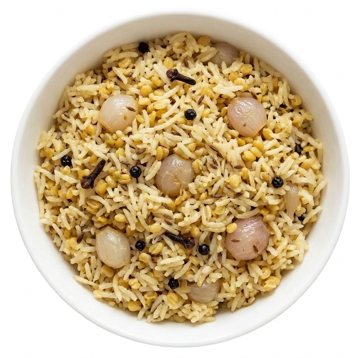
A fragrant basmati rice pilaf layered with crisp cubes of golden fried paneer, tender peas, and aromatic whole spices, finished with sweet browned onions and toasted cashews.

Whole spices

3.4 gBloomed in the hot oil before the onions (step 3)
01
1 g2 leaves
spice
02
0.3 g4 cloves
spice
03
2.1 g1 teaspoon
spice
Keep whole; they will be fried directly in the hot oil.

Ground turmeric

9 gStirred in with the rice and vegetables (step 4)
01
9 g1 tablespoon
spice
Keep as a powder to stir into the rice.

Everything else

01
Vegetable oil · Telplus extra for deep-frying
54 g4 tablespoons
oil/fat
02
Paneercut into 1-cm / ½-inch cubesMake it: Paneer →
144 g1 cup
dairy
03
150 g1 onion
vegetable
04
Green chilli · Hari Mirchde-seeded and sliced
12 g2 chillies
vegetable
05
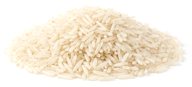
400 g
grain
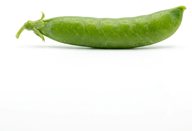
06
80 g
vegetable
07
31 g2 tablespoons
souring agent
08
to taste
salt
09
26 g2 tablespoons
oil/fat
10
150 g1 onion
vegetable
11
18 g12 cashews
nut/seed

Method

  1. Warm 26.4 g ghee in a skillet over medium heat. Fry 150 g onion for 5 to 7 minutes until richly browned, then lift out and set aside. In the same pan, fry 12 cashew nuts for about 2 minutes until lightly toasted, then transfer them to the onions.
  2. Pour enough vegetable oil for deep-frying into a deep, sturdy pan and heat to 180°C (350°F). Deep-fry 1 cup paneer for around 1 minute until crisp and golden brown, then remove with a slotted spoon to drain on paper towels.
  3. In a separate large, heavy-based pan, heat 54 g vegetable oil over medium heat. Drop in the whole spices, followed by 150 g onion, and sauté for 5 minutes until softened.
  4. Add the ground turmeric, 12 g green chilli, 400 g basmati rice, 80 g pea, 30.6 g lemon juice, 700 ml water, and salt to taste. Stir everything together, bring to a rolling boil, then reduce the heat to low, cover, and simmer for 10 minutes.
  5. Uncover briefly to gently fold through the fried paneer with a fork. Remove the pan from the heat, seal with the lid, and leave it to steam off the heat for another 10 minutes until the grains are tender and cooked through.
  6. Spread the rice onto a platter and scatter the reserved fried onions and toasted cashews over the top to serve.

Don't have something?

Vegetable oil
  • Peanut oil

    Use 1:1 by weight. Handles high-heat frying identically and introduces a very subtle, pleasant nuttiness.

  • Ghee

    Use 1:1 by weight. Yields a much richer, authentic aroma and a glossy, heavier mouthfeel.

  • Mustard oil

    Use 1:1 by weight. Heat until smoking, then cool slightly before cooking to temper its intensely pungent, sharp mustard kick.

Paneer
  • Extra-firm tofu

    Use equal weight, pressed well to remove excess moisture and cut into cubes. Pan-fry lightly before adding; absorbs sauces similarly, though it lacks dairy sweetness.

  • Halloumi

    Use equal weight, soaked in warm water for 20 minutes to leach out excess salt. Holds shape during frying, but has a denser, saltier chew.

Bay leaf
  • Cinnamon stick

    Use a 2 cm piece (about 1 g) for every 1 to 2 bay leaves. Fry in whole-spice temperings; provides the cassia-like warmth typical of Indian tejpatta.

  • Ground cinnamon (cassia)

    Use 0.5 g per leaf. Stir into the sauce during simmering; gives the same warm woodiness but darkens the colour slightly.

Clove
  • Ground cloves

    Use 1 g ground for 4 g whole (or 1 small pinch per 2 to 3 whole cloves). Add with spice powders; disperses intense warmth quickly, so use with restraint.

  • Allspice berries

    Use 100% of the weight whole in tempering. Imparts a warm, clove-like aromatic profile combined with hints of nutmeg and cinnamon.

  • Black cardamom pod

    Use 1 pod for 3 to 4 cloves in whole tempering. Shares a camphor-like warmth and medicinal depth, though it introduces a distinct smoky undertone.

Cumin seed
  • Ground cumin

    Use 70% of the weight; add with ground spices or sauce bases rather than hot oil tempering, where it scorches quickly and turns bitter.

  • Black cumin seeds

    Use equal weight for oil tempering. Delivers an earthy profile with an additional musky, smoky, and slightly bitter edge.

  • Fennel seed

    Use 60% of the weight for tempering; offers comparable warm aroma, but leans sweet and liquorice-like rather than savoury and earthy.

Onion
  • Shallot

    Use equal weight, finely sliced. Shallots soften and brown faster, giving a slightly sweeter and more delicate base to curries.

  • Cabbage

    Use 80% of the weight, finely shredded and browned slowly with a pinch of asafoetida. Replicates the bulk and natural sweetness in gravies without allium.

Ground turmeric
  • Ground ginger

    Use 50% of the weight. Mimics turmeric's warm, earthy, rhizome background, but provides none of the golden-yellow colour.

  • Saffron

    Steep a tiny pinch (0.1 g per 2 g turmeric) in 2 tbsp warm water; use to match the rich golden hue. Contributes an aristocratic, honeyed floral flavour rather than earthy bitterness.

Green chilli
  • Chilli powder

    Use 10 to 15% of the weight (about 1/4 teaspoon per chilli); imparts dry pungent heat and reddens the dish without the grassy crunch.

  • Dried red chilli

    Use 1 dried pod per fresh green chilli; snap in half and temper in hot oil for a deeper, toastier heat.

Basmati rice
  • Plain boiled rice

    Use 2.5 times the weight if substituting pre-cooked rice. Fold in gently at the end of the recipe; grains will be shorter and less fragrant.

Pea
  • Green pea

    Use equal weight directly from fresh or frozen. Toss into the pan near the end of cooking to preserve sweetness and bright green colour.

  • Chana dal

    Use 70% of the weight, boiled until tender but holding shape. Adds pleasant body and starch, though it lacks the juicy sweetness of fresh peas.

Lemon juice
  • Lime juice

    Use equal volume or weight; delivers almost identical sharp acidity with a faintly more aromatic, bitter-edged profile.

  • Dried mango powder

    Use 25% of the weight (about 1 g amchoor for 4 g juice); provides clean fruity tartness without thinning the sauce.

  • White vinegar

    Use 75% of the volume; gives direct sourness without any citrus floral fragrance.

Ghee
  • Unsalted butter

    Use 120% of the weight; melt gently over low heat to avoid burning the milk solids, which will yield a softer, creamier richness rather than a nutty aroma.


  • Vegetable oil

    Use 85% of the weight; holds high cooking temperatures without smoking, but the final dish will lack traditional dairy depth.

  • Mustard oil

    Use equal weight; heat to smoking point and cool slightly before cooking, bearing in mind it introduces an assertive, pungent edge.

Cashew nut
  • Almond

    Use 100% of the weight. Soak in boiling water and slip off skins before frying or grinding; gives a lighter, slightly less sweet richness to curries.

  • Poppy seed

    Use 60% of the weight for gravies. Soak in warm water and grind into a fine paste to thicken royal kormas without adding heavy oiliness.

  • Shelled peanut

    Use 100% of the weight. Roast, skin, and grind; creates a thicker, earthier texture typical of Maharashtrian and western Indian curries.

Similar dishes

Paneer Bhurji
Stir-Fried Paneer with Chilli, Turmeric and Peppers
Paneer Bhurji tastes soft, juicy, savoury, gently hot and fresh from lemon and coriander, while this dish tastes fragrant and rice-based with sweet browned onions and toasted cashews.
  • Same: Paneer Bhurji shares paneer, onion, cumin seed, turmeric, green chilli, lemon juice, salt and vegetable oil with this dish.
  • Different: Paneer Bhurji uses crumbled paneer stir-fried with tomato, red bell pepper, ginger, garam masala and coriander, while this dish is a basmati rice pilaf with cubed fried paneer, peas, cashews, bay leaf, clove and ghee.
Aloo ki Tehari
Layered Rice and Potatoes
It tastes tangier from the yogurt and more pungently spiced from the black cardamom and fennel, without the sweet finish of browned onions.
  • Same: Aloo ki Tehari also pairs basmati rice with a fried component cooked in vegetable oil and ghee, seasoned with cumin, cloves, bay leaf, and green chillies.
  • Different: Instead of paneer, peas, and onions, it uses potatoes, introduces yogurt and vegetable stock, adds fennel, cinnamon, and two types of cardamom, and uses dough for sealed steaming.
Khilwan Khichari
Dry Khichari
Khilwan Khichari has a simpler, earthier, and buttery flavour with peppery warmth, lacking the citrus tang of lemon juice and the sharp heat of green chillies.
  • Same: Khilwan Khichari also uses basmati rice cooked with ghee and seasoned with whole spices, including cumin seeds, bay leaf, and cloves.
  • Different: Khilwan Khichari incorporates split moong dal and whole black peppercorns, but omits the paneer, peas, onions, turmeric, green chillies, and lemon juice found in this dish.
Methi ke Chawal
Fenugreek Rice
It tastes earthy and gently bitter from fenugreek, lacking the tangy acidity and rich, sweet-spiced profile of this dish.
  • Same: Methi ke Chawal also cooks basmati rice with cumin seeds, onions, green chillies, and ground turmeric.
  • Different: Methi ke Chawal relies on dried fenugreek leaves and chilli powder, omitting the fried paneer, peas, whole cloves, bay leaves, and lemon juice found in this dish.