Indian cooking
Indian cooking / Dishes / Khilwan Khichari
Khilwan Khichari (Dry Khichari)

Khilwan Khichari

Dry Khichari
VegetarianOrigin AwadhPrep 15 minutes, plus soaking and standing timeCook 35 minutes

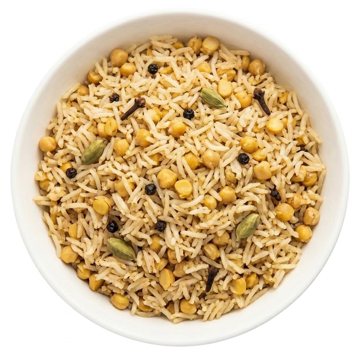
A fragrant, dry-style preparation of rice and split lentils infused with whole warm spices and sweet baby onions. It has a rich, buttery flavour from ghee and a gentle warmth from black pepper and cloves.

Whole spices

5 gFried in the ghee (step 2)
01
2.1 g1 teaspoon
spice
02
1 g2 leaves
spice
03
0.7 g10 cloves
spice
04
1.4 g½ teaspoon
spice
Keep whole; they go into the hot ghee together.

Everything else

02
200 g
legume
03
100 g
oil/fat
05
to taste
salt

Method

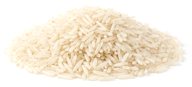
  1. Mix 250 g basmati rice and 200 g moong dal in a bowl, cover with water, and leave to soak for 20 minutes. Drain well and let rest for 10 minutes.
  2. Heat 100 g ghee in a large, heavy saucepan set over medium heat, then tip in the whole spices and fry for 1 to 2 minutes until aromatic.
  3. Add 250 g baby onions to the pan and fry for 1 minute.
  4. Stir in the soaked rice and dal, cooking for 1 to 2 minutes. Season with salt to taste, then pour in enough water to sit roughly 4 cm (1½ inches) above the surface.
  5. Turn the heat down to low, cover the pan, and cook for 20 to 25 minutes until the rice and lentils are tender and none of the grains remain hard. Remove and discard the bay leaf before serving.

Don't have something?

Basmati rice
  • Plain boiled rice

    Use 2.5 times the weight if substituting pre-cooked rice. Fold in gently at the end of the recipe; grains will be shorter and less fragrant.

Moong dal
  • Red lentils

    Use equal weight. It cooks in about the same time and breaks down to a similar soft, creamy consistency, though the colour will be slightly pinkish-orange.

  • Pigeon peas

    Use equal weight. Requires longer soaking and cooking time, and produces a slightly earthier, denser dal.

Ghee
  • Unsalted butter

    Use 120% of the weight; melt gently over low heat to avoid burning the milk solids, which will yield a softer, creamier richness rather than a nutty aroma.

  • Vegetable oil

    Use 85% of the weight; holds high cooking temperatures without smoking, but the final dish will lack traditional dairy depth.

  • Mustard oil

    Use equal weight; heat to smoking point and cool slightly before cooking, bearing in mind it introduces an assertive, pungent edge.

Cumin seed
  • Ground cumin

    Use 70% of the weight; add with ground spices or sauce bases rather than hot oil tempering, where it scorches quickly and turns bitter.

  • Black cumin seeds

    Use equal weight for oil tempering. Delivers an earthy profile with an additional musky, smoky, and slightly bitter edge.

  • Fennel seed

    Use 60% of the weight for tempering; offers comparable warm aroma, but leans sweet and liquorice-like rather than savoury and earthy.

Bay leaf
  • Cinnamon stick

    Use a 2 cm piece (about 1 g) for every 1 to 2 bay leaves. Fry in whole-spice temperings; provides the cassia-like warmth typical of Indian tejpatta.

  • Ground cinnamon (cassia)

    Use 0.5 g per leaf. Stir into the sauce during simmering; gives the same warm woodiness but darkens the colour slightly.

Clove
  • Ground cloves

    Use 1 g ground for 4 g whole (or 1 small pinch per 2 to 3 whole cloves). Add with spice powders; disperses intense warmth quickly, so use with restraint.

  • Allspice berries

    Use 100% of the weight whole in tempering. Imparts a warm, clove-like aromatic profile combined with hints of nutmeg and cinnamon.


  • Black cardamom pod

    Use 1 pod for 3 to 4 cloves in whole tempering. Shares a camphor-like warmth and medicinal depth, though it introduces a distinct smoky undertone.

Black peppercorn
  • Coarsely ground black pepper

    Use 75% of the weight. Add midway through simmering; spreads heat evenly through the dish instead of delivering isolated bursts.

  • Ground black pepper

    Use 50% of the weight. Stir in near the end of cooking; significantly darkens light gravies and provides an immediate, sharp bite.

Baby onion
  • Baby pearl onion

    Use the same weight; peel and leave whole. Almost identical, though pearl onions can be slightly sweeter.

  • Shallot

    Use the same weight; halve if large. Sweeter and cooks 2 minutes faster, so add later.

  • Onion

    Use the same weight, cut into small wedges. Stronger and sharper; cook 2–3 minutes longer.

Similar dishes

Chane ki Dal ki Tehari
Rice Cooked with Chana Dal
It tastes sweeter and more fragrant from the cardamom and cinnamon, with a nuttier texture from the chana dal compared to the earthy, cumin-forward flavour of this dish.
  • Same: Chane ki Dal ki Tehari is also a dry rice and split-lentil preparation cooked in ghee with bay leaf, cloves, and black peppercorns.
  • Different: It uses firmer chana dal instead of moong dal at a higher rice-to-dal ratio, omits cumin seeds, and incorporates green cardamom and cinnamon.
Mangupullu
Crispy Deep-fried Savoury Rings
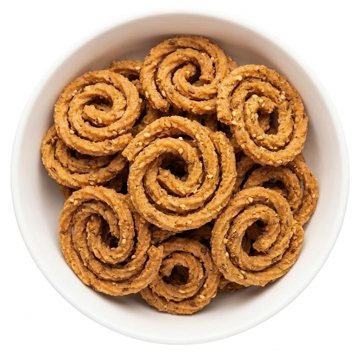
Mangupullu is crisp, dry, and nutty from sesame seeds rather than soft, buttery, and warm with whole cloves and black pepper.
  • Same: Mangupullu shares the same core base of basmati rice and moong dal seasoned with cumin seeds, ghee, and salt.
  • Different: Instead of simmering whole grains with bay leaf, cloves, and black peppercorns in ghee, Mangupullu incorporates sesame seeds and is ground and deep-fried in vegetable oil.
Sarvari
Rice with Urad Dal, Chickpeas (Garbanzo Beans) or Peas
Sarvari has a milder, simpler flavor that lacks the pungent heat of black pepper and the herbal aroma of bay leaves.
  • Same: Both dishes are dry basmati rice preparations cooked with ghee and flavored with cumin and cloves.
  • Different: Sarvari uses ground cumin instead of whole seeds and omits the moong dal, bay leaves, and black peppercorns used in this dish.
Venu Pongal
Rice with Moong Dal
Venu Pongal tastes more pungent and peppery with herbal curry leaf notes, rather than rich, buttery, and warmly spiced with cloves.
  • Same: Like this dish, Venu Pongal pairs moong dal with ghee, cumin seeds, black peppercorns, and salt.
  • Different: Venu Pongal is cooked to a soft porridge consistency rather than dry separate grains, uses much less ghee, adds curry leaves, asafoetida, and turmeric, and omits cloves and bay leaves.