
Methi ke Chawal
Fragrant basmati rice cooked with earthy dried fenugreek leaves, mild aromatics, and gentle warmth. It yields a subtly spiced, comforting one-pot side.
Whole spices for the oil
2.1 gBloomed in the hot fat (step 1)Rice spices
8 gStirred in with the rice and water (step 3)Everything else

Method
- Warm 40.5 g vegetable oil or ghee in a heavy-bottomed pan set over medium heat. Tip in the whole spices for the oil and toast for about 1 minute until fragrant and crackling.
- Add 150 g sliced onion and 6 g sliced green chilli, then sauté for roughly 5 minutes until softened.
- Tip in 400 g rinsed basmati rice, pour in 1 litre of water, and add the rice spices along with salt to taste. Stir everything together and cook uncovered for 25 minutes, giving it a gentle stir now and then.
- Turn the heat down low, cover the pan with a lid, and let it simmer for 5 minutes. Take the pan off the heat and leave it covered to finish steaming until you are ready to serve.
Don't have something?


 Peanut oil
Use equal weight; handles high tempering heat well and keeps flavours neutral.
 Butter
Use equal weight; cook over gentle heat to prevent browning the milk solids too quickly.


 Ground cumin
Use 70% of the weight; add with ground spices or sauce bases rather than hot oil tempering, where it scorches quickly and turns bitter.
 Black cumin seeds
Use equal weight for oil tempering. Delivers an earthy profile with an additional musky, smoky, and slightly bitter edge.
 Fennel seed
Use 60% of the weight for tempering; offers comparable warm aroma, but leans sweet and liquorice-like rather than savoury and earthy.






 Chilli powder
Use 10 to 15% of the weight (about 1/4 teaspoon per chilli); imparts dry pungent heat and reddens the dish without the grassy crunch.
 Dried red chilli
Use 1 dried pod per fresh green chilli; snap in half and temper in hot oil for a deeper, toastier heat.

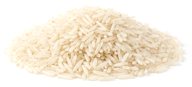
 Plain boiled rice
Use 2.5 times the weight if substituting pre-cooked rice. Fold in gently at the end of the recipe; grains will be shorter and less fragrant.

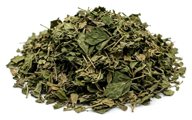
 Ground fenugreek
Use 20% of the weight; stir in during tempering rather than crushing over at the end, and be cautious as it turns bitter easily.
 Fenugreek seeds
Crush lightly and fry in the initial oil tempering, using 25% of the weight; provides bitter notes but lacks leafy aroma.


 Red chilli powder
Use 100% of the weight. Provides direct, sharp heat and red colour in equal measure.
 Kashmiri chilli powder
Use 150% to 200% of the weight if matching colour, but add a pinch of black pepper or hot chilli if you need equivalent fiery heat.
 Cayenne pepper
Use 75% to 100% of the weight. Offers a sharp, clean heat with slightly less earthy depth and less crimson colour.


 Ground ginger
Use 50% of the weight. Mimics turmeric's warm, earthy, rhizome background, but provides none of the golden-yellow colour.
 Saffron
Steep a tiny pinch (0.1 g per 2 g turmeric) in 2 tbsp warm water; use to match the rich golden hue. Contributes an aristocratic, honeyed floral flavour rather than earthy bitterness.


Similar dishes

- Same: Pilau Rice and this dish are both basmati rice side dishes cooked pilau-style with cumin seed and a fat.
- Different: Pilau Rice uses only rice, ghee, cumin seed and Indian bay leaf, while this dish adds onion, green chilli, kasuri methi, chilli powder and turmeric.

- Same: Paneer ke Chawal shares a base of basmati rice seasoned with cumin seeds, onions, green chillies, and ground turmeric.
- Different: It incorporates fried paneer, peas, bay leaves, cloves, and lemon juice using both oil and ghee, while omitting this dish's kasuri methi and chilli powder.

- Same: Gatte ka Pulao shares a base of basmati rice cooked with onions, cumin seeds, turmeric, and chilli powder in oil or ghee.
- Different: It adds spiced chickpea-flour dumplings, garlic, bay leaf, and lemon juice, but omits the green chillies and dried fenugreek leaves used in this dish.

- Same: Vendaya Keerai Adai also pairs basmati rice with fenugreek leaves, chillies, and cooking oil.
- Different: Instead of cooking whole grains with onion, cumin, and turmeric in a pot, Vendaya Keerai Adai blends rice with chana dal, urad dal, fresh coconut, and asafoetida into a batter fried as pancakes.