Indian cooking
Indian cooking / Dishes / Matar Pulao
Matar Pulao (Pea Pulao)

Matar Pulao

Pea Pulao
VegetarianOrigin Punjab/Delhi/AwadhPrep 25 minutes, plus soaking and standing timeCook 30 minutes

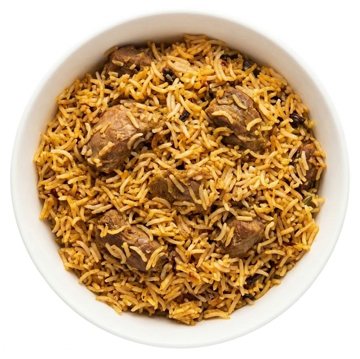
A fragrant basmati rice pilaf studded with tender green peas and layered with the delicate aromas of saffron, kewra water, and whole sweet spices.

potli spices

12 gCoarsely crushed and tied into a cloth pouch for steeping with the rice (step 3)
01
0.8–1 g15–20 peppercorns
spice
03
0.4 g5 cloves
spice
05
2.6 g2 pieces
spice
06
1 g2 leaves
spice
Crush coarsely and tie into a muslin pouch with kitchen string.

saffron

0.3 gSoaked in water and drizzled over the rice at the end (step 2)
01
~0.3 gpinch
spice
Steep in 1 tablespoon of warm water.

finishing spices

2.3 gDusted over the drained, hot rice before steaming (step 5)
Mix together thoroughly.

ginger-garlic paste

52 gCooked with the softened onions (step 6)
Stir together into a uniform paste.

whole spices for the peas

1.5 gStirred into the cooked peas right before combining (step 6)
02
0.4 g5 cloves
spice
Leave whole.

Everything else

02
5 g1 teaspoon
souring agent
04
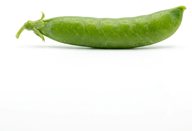
Pea · Matarshelled if fresh
250 g
vegetable
05
66 g5 tablespoons
oil/fat
06
50 g
vegetable
07
to taste
salt

Method

  1. Submerge 400 g basmati rice in a bowl of cold water, soak for 15 minutes, then drain.
  2. Steep the saffron in 1 tablespoon of water. In a separate pan of boiling water, blanch 250 g pea for 4 to 5 minutes until tender-crisp, then drain and set aside.
  3. Prepare the potli spices, pounding them roughly before bundling them inside a square of clean muslin or cheesecloth and securing with kitchen twine.
  4. Place the drained rice into a pan, cover generously with cold water, drop in the pouch of potli spices, and let sit for 30 minutes. Drain the rice, saving the spice pouch.
  5. Bring 375 ml of water to a boil in a heavy pot. Add the reserved spice pouch, 5.1 g lemon juice, and a pinch of salt. Tip in the rice and cook over medium heat for about 18 minutes until nearly tender. Drain thoroughly, discard the spice pouch, and transfer the rice to a clean pot.
  6. Sprinkle 1 tablespoon kewra water or rosewater and the finishing spices evenly over the rice. Cover tightly with a lid and leave off the heat to steam for 10 minutes.
  7. Melt 66 g ghee in a skillet over medium heat. Add 50 g onion and sauté for 2 minutes until glossy and translucent. Add the ginger-garlic paste and fry for roughly 2 minutes until lightly browned. Stir in the blanched peas along with to taste salt, cooking for 2 to 3 minutes until any liquid cooks off. Add the whole spices for the peas and fry for 1 minute more.
  8. Tip the pea mixture and the steeped saffron water into the warm rice. Gently fold the grains to distribute the peas and colour evenly, adjust seasoning with salt if required, and serve hot.

Don't have something?

Basmati rice
  • Plain boiled rice

    Use 2.5 times the weight if substituting pre-cooked rice. Fold in gently at the end of the recipe; grains will be shorter and less fragrant.

Lemon juice
  • Lime juice

    Use equal volume or weight; delivers almost identical sharp acidity with a faintly more aromatic, bitter-edged profile.

  • Dried mango powder

    Use 25% of the weight (about 1 g amchoor for 4 g juice); provides clean fruity tartness without thinning the sauce.

  • White vinegar

    Use 75% of the volume; gives direct sourness without any citrus floral fragrance.

Kewra water or rosewater
  • Rosewater

    Use equal volume; replaces the grassy, pandan-like kewra aroma with a sweet floral note.

  • Green cardamom pod

    Crush seeds from 2 pods per teaspoon of floral water and add to the simmering gravy; provides sweet aromatic lift without floral perfume.

Ground green cardamom
  • Green cardamom seed

    Grind freshly extracted inner black seeds finely; use equal weight (1:1). Greatly superior aroma with potent eucalyptus and citrus notes.

  • Green cardamom pod

    Lightly crack whole pods and simmer them in the gravy; use 150% of the weight of ground cardamom. Fish out the pods before serving.

  • Ground nutmeg

    Use 50% of the weight. Delivers warm, sweet aroma, but lacks cardamom's cooling, citrusy top notes.

Ground mace
  • Mace blade

    Grind dried blades finely in a spice mill; use equal weight (1:1). Provides an identical, freshly aromatic, sweet-musky profile.

  • Ground nutmeg

    Use 75% to 80% of the weight. Derived from the seed of the same tree, it shares the flavour profile but is heavier, sweeter, and more pungent.

  • Ground cinnamon (cassia)

    Use 50% of the weight. Adds warming sweetness, but lacks mace's savoury, elegant floral notes.

Black peppercorn
  • Coarsely ground black pepper

    Use 75% of the weight. Add midway through simmering; spreads heat evenly through the dish instead of delivering isolated bursts.

  • Ground black pepper

    Use 50% of the weight. Stir in near the end of cooking; significantly darkens light gravies and provides an immediate, sharp bite.

Green cardamom pod
  • Green cardamom seed

    Use 35 to 40% of the total pod weight; lightly bruise the seeds before frying in oil to release their essential oils.

  • Ground green cardamom

    Use 20 to 25% of the pod weight (about 1 generous pinch per pod); stir in toward the end of cooking so the delicate floral notes do not dissipate.

  • White cardamom pod

    Use 1:1 by pod count or weight; crack gently before using, though it is slightly less intensely floral.

Clove
  • Ground cloves

    Use 1 g ground for 4 g whole (or 1 small pinch per 2 to 3 whole cloves). Add with spice powders; disperses intense warmth quickly, so use with restraint.

  • Allspice berries

    Use 100% of the weight whole in tempering. Imparts a warm, clove-like aromatic profile combined with hints of nutmeg and cinnamon.

  • Black cardamom pod

    Use 1 pod for 3 to 4 cloves in whole tempering. Shares a camphor-like warmth and medicinal depth, though it introduces a distinct smoky undertone.

Black cardamom pod
  • Ground black cardamom

    Use 0.5 g of ground seeds for each whole pod. Stir directly into the curry base; delivers identical smoky flavour without woody husks.

  • Green cardamom pod

    Use equal pod count or weight. Crack slightly and fry whole; tastes sweet, menthol-fresh, and floral rather than dark and smoky.

Cassia bark
  • Ceylon cinnamon

    True cinnamon: thinner, papery quills, milder and sweeter. Use about 1.5 times the weight, and taste.

  • Ground cinnamon (cassia)

    Use about a third of the weight (0.5 g ground for a 2.5 cm piece), stirred in with the ground spices rather than fried whole, since the powder burns quickly.

  • Cassia buds

    Use 60-70% of the weight; stronger and more peppery, so taste before adding more.

Bay leaf
  • Cinnamon stick

    Use a 2 cm piece (about 1 g) for every 1 to 2 bay leaves. Fry in whole-spice temperings; provides the cassia-like warmth typical of Indian tejpatta.

  • Ground cinnamon (cassia)

    Use 0.5 g per leaf. Stir into the sauce during simmering; gives the same warm woodiness but darkens the colour slightly.

Saffron
  • Ground turmeric

    Use 15% of the saffron's weight. Replicates the bright yellow colour well, but lacks the floral, earthy depth; use sparingly to avoid bitterness.

  • Screwpine water or rosewater

    Use a few drops combined with a tiny pinch of ground turmeric to mimic both the regal floral aroma and the golden hue.

Pea
  • Green pea

    Use equal weight directly from fresh or frozen. Toss into the pan near the end of cooking to preserve sweetness and bright green colour.

  • Chana dal

    Use 70% of the weight, boiled until tender but holding shape. Adds pleasant body and starch, though it lacks the juicy sweetness of fresh peas.

Ghee
  • Unsalted butter

    Use 120% of the weight; melt gently over low heat to avoid burning the milk solids, which will yield a softer, creamier richness rather than a nutty aroma.

  • Vegetable oil

    Use 85% of the weight; holds high cooking temperatures without smoking, but the final dish will lack traditional dairy depth.

  • Mustard oil

    Use equal weight; heat to smoking point and cool slightly before cooking, bearing in mind it introduces an assertive, pungent edge.

Onion
  • Shallot

    Use equal weight, finely sliced. Shallots soften and brown faster, giving a slightly sweeter and more delicate base to curries.

  • Cabbage

    Use 80% of the weight, finely shredded and browned slowly with a pinch of asafoetida. Replicates the bulk and natural sweetness in gravies without allium.


Ginger paste
  • Fresh ginger

    Use equal weight; peel and grate very finely on a microplane or pound to a fine paste in a mortar.

  • Ginger

    Use equal weight; mince finely and crush with the flat of a knife before frying.

  • Ground ginger

    Use 20% of the weight; add directly with the dry spice powders, though it yields an earthier, less pungent profile.

Garlic paste
  • Garlic

    Use equal weight; crush or finely grate to a smooth pulp to replicate the same fresh, pungent moisture in your base gravy.

  • Garlic powder

    Use 20 to 25% of the weight; mix with a teaspoon of water before adding to oil so it does not burn, noting it lacks the fresh bite.

Similar dishes

Bhagara Bhaath
Fried Savoury Rice
It tastes richer and more intensely savoury from the caramelized onions, lacking the sweet, floral, and slightly tart notes of this dish.
  • Same: Bhagara Bhaath shares a basmati rice base cooked in ghee with ginger, garlic, onions, cinnamon, cloves, and green cardamom.
  • Different: It uses a higher proportion of browned onions and ghee, but completely omits the green peas, saffron, kewra water, lemon juice, bay leaf, black cardamom, mace, and black peppercorns.
Hyderabadi Dum ki Biryani
Aromatic Slow-cooked Biryani
Hyderabadi Dum ki Biryani tastes noticeably richer, tangier from yogurt, and considerably hotter than this mildly spiced, sweet pea pilaf.
  • Same: Both dishes cook basmati rice in ghee with cinnamon, cloves, bay leaves, green cardamom, saffron, and floral water.
  • Different: Hyderabadi Dum ki Biryani is slow-cooked in sealed layers using yogurt, cream, and hot chilies rather than simmered as a one-pot pilaf with green peas and black cardamom.
Kabuli Chaneda Pulao
Chickpea (Garbanzo Bean) Pulao
Kabuli Chaneda Pulao tastes sharper, hotter, and more herb-forward than this milder, saffron- and mace-scented dish.
  • Same: Kabuli Chaneda Pulao also cooks basmati rice in ghee with cinnamon, bay leaves, cardamom, cloves, lemon juice, and kewra or rosewater.
  • Different: It swaps green peas for chickpeas, adds tomatoes, green chillies, chilli powder, mint, and coriander, and is sealed with dough to steam rather than using saffron and mace.
Shahi Biryani
Imperial Biryani
Shahi Biryani tastes richer and meatier than this dish, with yogurt tang and slow-simmered lamb, while this dish is a lighter pea-and-rice pilaf with lemon and kewra aromas.
  • Same: Shahi Biryani shares basmati rice, ghee, saffron, ginger-garlic paste, and whole spices such as cardamom, clove, cinnamon, bay leaf, and black peppercorn with this dish.
  • Different: Shahi Biryani has lamb, plain yogurt, ground turmeric, and a dough seal and lacks peas, lemon juice, kewra or rosewater, mace, and onion, and it uses much more ghee and rice than this dish.