Indian cooking
Indian cooking / Dishes / Lauki Musallam
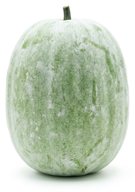
Lauki Musallam (Whole Stuffed Bottle Gourd (Calabash))

Lauki Musallam

Whole Stuffed Bottle Gourd (Calabash)
Vegetarian●●●Origin AwadhPrep 40 minutes, plus standing timeCook 30 minutes

A classic North Indian dish of tender, hollowed bottle gourd packed with a rich khoya and nut stuffing, then braised in a fragrant, spiced yogurt gravy.

Saffron

0.3 gSteeped in kewra water (step 2)
01
~0.3 gpinch
spice
Keep whole to steep in the liquid.

Gravy spices

21 gToasted and ground to a paste (step 5)
01
17 g2 tablespoons
spice
02
0.4 g6 cloves
spice
04
2.6 g1 teaspoon
spice
Toast the poppy seeds in a dry pan, then grind with the remaining spices to a smooth paste.

Everything else

01
500 g1 gourd
vegetable
02
5 g1 teaspoon
liquid
03
91 g100 ml
oil/fat
04
300 g2 onions
vegetable
05
12–15 g8–10 cashews
nut/seed
06
15 g1 tablespoon
nut/seed
09
259 g250 ml
dairy
10
to taste
salt
11
to taste
herb

Method

  1. Peel 1 bottle gourd, hollow out the pith and seeds from the interior, and pierce the surface thoroughly using a fork. Rub with salt and let it sit on a tray for 30 minutes.
  2. Combine the saffron with 1 teaspoon kewra water in a small ramekin and set aside to infuse.
  3. Warm 91.3 g vegetable oil in a large, heavy pan over medium heat. Fry 300 g chopped onion for 5 to 7 minutes until golden brown, lift out with a slotted spoon, and puree to a smooth paste in a small blender.
  4. In the same hot oil, fry 8 cashew nuts and 1 tablespoon chironji kernel paste for about 1 minute until lightly pink. Lift out, finely chop the cashews, and set aside. Add 200 g khoya to the pan and cook for 2 to 3 minutes until it turns a light caramel colour. Stir in the chopped nuts and chironji, remove from the heat, and reserve the cooking oil in the pan.
  5. Put the poppy seeds from the gravy spices into a dry frying pan over medium heat and stir-fry for 30 seconds. Transfer to a blender along with the rest of the gravy spices, 1 blade of mace, and 200 g water, then blitz until completely smooth.
  6. Wipe the bottle gourd dry with paper towels. Heat the reserved cooking oil in the pan and fry the gourd for several minutes, turning frequently until evenly browned, then transfer to a plate.
  7. Stir a pinch of salt and 2 tablespoons of the 259 g whisked yogurt into the khoya-nut mixture. Stuff this filling firmly into the cavity of the bottle gourd.
  8. In a bowl, mix the remaining whisked yogurt with the onion paste, the ground gravy spices paste, the saffron infusion, and salt to taste.
  9. Place the stuffed bottle gourd into a wide, flat pan and spoon the yogurt gravy over and beneath it. Cover with a snug-fitting lid, set over low-medium heat, and cook for 30 minutes until tender throughout. Scatter over chopped coriander leaf to finish.

Don't have something?

Bottle gourd
  • Ash gourd

    Use the same weight; peel, deseed and cut into similar pieces. It is firmer and slightly more watery, so add a little less water and cook 5 minutes longer.

  • Courgette

    Use the same weight; no need to peel. It cooks faster and releases water, so reduce the recipe liquid by about 10% and add it later.

  • Chayote

    Use the same weight; peel and remove the stone. It stays firmer, so cut it smaller and cook a few minutes longer.

Saffron
  • Ground turmeric

    Use 15% of the saffron's weight. Replicates the bright yellow colour well, but lacks the floral, earthy depth; use sparingly to avoid bitterness.

  • Screwpine water or rosewater

    Use a few drops combined with a tiny pinch of ground turmeric to mimic both the regal floral aroma and the golden hue.

Kewra water
  • Rosewater

    Use 75-100% of the weight, added off the heat. Floral but rose-scented, not screwpine.

  • Rose syrup

    Use 50-60% of the weight and reduce sugar by about the same amount. Sweet and pink-rose flavoured.

  • Saffron thread

    Steep 2-3 threads in 10 ml warm milk for every 10 g kewra water. Different, richer aroma.

Vegetable oil
  • Peanut oil

    Use 1:1 by weight. Handles high-heat frying identically and introduces a very subtle, pleasant nuttiness.

  • Ghee

    Use 1:1 by weight. Yields a much richer, authentic aroma and a glossy, heavier mouthfeel.

  • Mustard oil

    Use 1:1 by weight. Heat until smoking, then cool slightly before cooking to temper its intensely pungent, sharp mustard kick.

Onion
  • Shallot

    Use equal weight, finely sliced. Shallots soften and brown faster, giving a slightly sweeter and more delicate base to curries.

  • Cabbage

    Use 80% of the weight, finely shredded and browned slowly with a pinch of asafoetida. Replicates the bulk and natural sweetness in gravies without allium.

Cashew nut
  • Almond

    Use 100% of the weight. Soak in boiling water and slip off skins before frying or grinding; gives a lighter, slightly less sweet richness to curries.

  • Poppy seed

    Use 60% of the weight for gravies. Soak in warm water and grind into a fine paste to thicken royal kormas without adding heavy oiliness.

  • Shelled peanut

    Use 100% of the weight. Roast, skin, and grind; creates a thicker, earthier texture typical of Maharashtrian and western Indian curries.

Chironji kernel paste
  • Cashew paste

    Use the same weight; it is creamier and milder, so the gravy will be less nutty-bitter.

  • Almond paste

    Use the same weight; slightly grainy and sweeter, so taste before adding more.

  • Blanched almond paste

    Use the same weight; milder and paler, giving a softer flavour.

Khoya
  • Whole milk

    Use 4 times the weight of milk; simmer and stir continuously in a wide heavy pan until reduced to a dense, fudgy paste.

  • Paneer

    Use equal weight of finely crumbled or grated paneer mixed with 15% single cream; gives similar body but a less caramelised, milk-solid flavour.

  • Single cream

    Simmer gently until heavily reduced, or stir in directly at 70% weight; produces rich gravies without the granular bite of khoya.

Milk powder
  • Full cream milk

    Use 400 g milk for every 100 g milk powder; simmer down to the volume the recipe expects. It adds water, so reduce other liquid.

  • Milk solids

    Use the same weight, grated or crumbled; richer and sweeter. Reduce sugar and add before the dish is finished.

  • Condensed milk

    Use 50% of the weight; very sweet, so cut sugar by about the same amount and adjust liquid.

Poppy seed
  • Cashew nut

    Use equal weight. Soak in warm water for 20 minutes and grind to a smooth paste; produces an even creamier, slightly richer gravy than poppy seeds.

  • White sesame seed

    Use equal weight. Soak and grind finely; provides similar thickening and body with a slightly nuttier, faintly bitter edge.

  • Almond

    Use equal weight. Blanch, peel, and grind finely with a splash of water; lends a velvety body and gentle sweetness to gravies.

Clove
  • Ground cloves

    Use 1 g ground for 4 g whole (or 1 small pinch per 2 to 3 whole cloves). Add with spice powders; disperses intense warmth quickly, so use with restraint.

  • Allspice berries

    Use 100% of the weight whole in tempering. Imparts a warm, clove-like aromatic profile combined with hints of nutmeg and cinnamon.


  • Black cardamom pod

    Use 1 pod for 3 to 4 cloves in whole tempering. Shares a camphor-like warmth and medicinal depth, though it introduces a distinct smoky undertone.

Green cardamom pod
  • Green cardamom seed

    Use 35 to 40% of the total pod weight; lightly bruise the seeds before frying in oil to release their essential oils.

  • Ground green cardamom

    Use 20 to 25% of the pod weight (about 1 generous pinch per pod); stir in toward the end of cooking so the delicate floral notes do not dissipate.

  • White cardamom pod

    Use 1:1 by pod count or weight; crack gently before using, though it is slightly less intensely floral.

Mace blade
  • Ground mace

    Use 0.5 g ground mace for 1 g mace blade; add towards the end of frying spices as ground powder burns much quicker than whole blades.

  • Nutmeg

    Grate finely, using 50% of the weight; sweeter, deeper, and slightly heavier in aroma than delicate mace.

  • Ground nutmeg

    Use 40% of the weight; stir in gently with ground spices, avoiding high direct heat to prevent bitterness.

Yogurt
  • Plain yogurt

    Use 100% of the weight. Whisk thoroughly until smooth before stirring into warm gravies to prevent curdling.

  • Single cream

    Use 90% of the weight combined with 10% lemon juice to replicate the lactic tang and rich body in marinades and curries.

Chilli powder
  • Red chilli powder

    Use 100% of the weight. Provides direct, sharp heat and red colour in equal measure.

  • Kashmiri chilli powder

    Use 150% to 200% of the weight if matching colour, but add a pinch of black pepper or hot chilli if you need equivalent fiery heat.

  • Cayenne pepper

    Use 75% to 100% of the weight. Offers a sharp, clean heat with slightly less earthy depth and less crimson colour.

Coriander leaf
  • Coriander

    Use equal weight finely chopped; this is the exact same fresh herb.

  • Mint

    Use half the weight finely chopped; provides vibrant green freshness, though the flavour profile becomes noticeably cooler and sharper.

Similar dishes

Pappu Dosakai
Bottle Gourd (Calabash) with Chana Dal
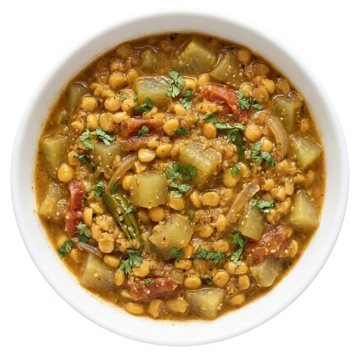
Pappu Dosakai is lighter and subtly tangy from tomatoes and coconut, whereas this dish has a much richer, creamier profile flavored with saffron, cloves, and cardamom.
  • Same: Both dishes feature bottle gourd as the primary vegetable, seasoned with onions, chilli powder, and coriander leaves.
  • Different: Pappu Dosakai simmers chopped gourd with chana dal, tomatoes, garlic, and dried coconut, rather than stuffing the whole vegetable with khoya and nuts to braise in a yogurt sauce.
Lauki ke Kofte
Bottle Gourd (Calabash) Kofta
Lauki ke Kofte tastes tangy from tomato and yogurt with green-chilli heat and ghee richness, while this dish tastes creamier and nuttier from khoya and nuts with saffron and kewra aroma.
  • Same: Lauki ke Kofte and this dish both use bottle gourd, onion, yogurt, and coriander leaf in a spiced gravy.
  • Different: Lauki ke Kofte forms grated-gourd dumplings with chickpea flour, green chilli, ginger, garlic, coriander seeds, cumin seed, tomato, and ghee, while this dish stuffs whole bottle gourd with khoya, milk powder, cashew, chironji, poppy seed, saffron, kewra, clove, cardamom, and mace and braises it in yogurt gravy.
Dum ki Lauki
Spicy Baked Bottle Gourd (Calabash)
Dum ki Lauki has a sharper, more pungent ginger and chilli heat, lacking the rich, creamy, and mildly sweet dairy profile of this dish.
  • Same: Dum ki Lauki also features bottle gourd seasoned with red chilli powder and finished with fresh coriander.
  • Different: Instead of stuffing a whole gourd with khoya and nuts to braise in an onion and yogurt gravy, Dum ki Lauki slow-steams plain gourd chunks in ghee with cumin, fenugreek, asafoetida, green chillies, and ginger.
Kurma Pulussu
Raw Jackfruit Curry
Kurma Pulussu has a savory, pungent flavor from the ginger, garlic, and warm cinnamon, lacking the sweet dairy richness imparted by this dish's khoya and saffron.
  • Same: Kurma Pulussu also uses an onion- and yogurt-based gravy enriched with poppy seeds and spiced with green cardamom, cloves, and chilli powder cooked in vegetable oil.
  • Different: Instead of whole bottle gourd stuffed with khoya and cashews, it simmers pieces of raw jackfruit and adds coconut, ginger, garlic, cinnamon, and bay leaf while leaving out the saffron.