
Dum ki Lauki
A fragrant, slow-steamed North Indian vegetarian dish where chunks of bottle gourd braise gently in their own moisture alongside ghee and warm spices.
Tempering spices
2.3 gBloomed in the hot ghee (step 1)Ground spices
4.9 gStirred in with the squash (step 2)Everything else


Method
- Warm 100 g ghee in a deep, heavy saucepan set over medium heat. Tip in the tempering spices and sizzle for about 1 minute until the seeds begin to pop.
- Add 1000 g bottle gourd, the ground spices, 12 g green chilli, 12 g ginger, 1 teaspoon ground turmeric, Garam Masala Kashmiri to taste, and salt to taste, tossing thoroughly so the squash is well coated. Do not pour in any liquid.
- Fit a tight lid onto the pan, drop the heat to low, and steam for around 30 minutes until the squash is completely tender.
- Take the pan off the heat and fold through 100 g coriander leaf before serving.
Don't have something?


 Unsalted butter
Use 120% of the weight; melt gently over low heat to avoid burning the milk solids, which will yield a softer, creamier richness rather than a nutty aroma.
 Vegetable oil
Use 85% of the weight; holds high cooking temperatures without smoking, but the final dish will lack traditional dairy depth.
 Mustard oil
Use equal weight; heat to smoking point and cool slightly before cooking, bearing in mind it introduces an assertive, pungent edge.


 Garlic powder
Use double the weight. Stir into hot oil just before adding wet ingredients; mimics the allium savoury background without the sulphurous edge.
 Garlic paste
Use 2 g for every 0.5 g of asafoetida. Sauté in oil until the raw smell clears; adds moisture and sweet allium depth.


 Ground cumin
Use 70% of the weight; add with ground spices or sauce bases rather than hot oil tempering, where it scorches quickly and turns bitter.
 Black cumin seeds
Use equal weight for oil tempering. Delivers an earthy profile with an additional musky, smoky, and slightly bitter edge.
 Fennel seed
Use 60% of the weight for tempering; offers comparable warm aroma, but leans sweet and liquorice-like rather than savoury and earthy.


 Mustard seed
Use 50% of the weight, crush or grind. Sharper heat and less maple-bitter; fry briefly in oil before adding.
 Caraway seeds
Use the same weight, crush lightly. Similar bitter-seed note but more aniseed; reduce other sweet spices slightly.
 Ajwain seeds
Use 25–30% of the weight, crush. Much stronger thyme-like flavour; do not overdo.


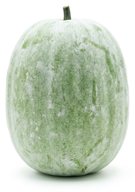 Ash gourd
Use the same weight; peel, deseed and cut into similar pieces. It is firmer and slightly more watery, so add a little less water and cook 5 minutes longer.
 Courgette
Use the same weight; no need to peel. It cooks faster and releases water, so reduce the recipe liquid by about 10% and add it later.
 Chayote
Use the same weight; peel and remove the stone. It stays firmer, so cut it smaller and cook a few minutes longer.


 Red chilli powder
Use 100% of the weight. Provides direct, sharp heat and red colour in equal measure.
 Kashmiri chilli powder
Use 150% to 200% of the weight if matching colour, but add a pinch of black pepper or hot chilli if you need equivalent fiery heat.
 Cayenne pepper
Use 75% to 100% of the weight. Offers a sharp, clean heat with slightly less earthy depth and less crimson colour.


- Chilli powder
Use 10 to 15% of the weight (about 1/4 teaspoon per chilli); imparts dry pungent heat and reddens the dish without the grassy crunch.
 Dried red chilli
Use 1 dried pod per fresh green chilli; snap in half and temper in hot oil for a deeper, toastier heat.

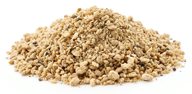
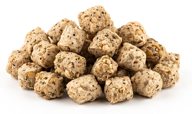 Black gram dumplings
Grind the same weight; it gives a similar fermented lentil depth, though it may be a little spicier.
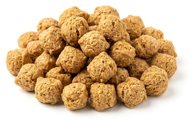 Dried lentil dumplings
Grind the same weight; texture is similar, but heat and spice level vary, so taste first.
 Kashmiri lentil dumplings
Grind the same weight; it is more spiced, so adjust salt and chilli.


 Garam masala
Use 75–80% of the weight; add at the same stage. More pungent and less aromatic, so taste before adding more.
 Ground garam masala
Use 75–80% of the weight; stir in off the heat. Finer powder, so it releases aroma quickly.
 Ground cardamom and mace
Use 20–25% of the weight alongside garam masala for aroma; it lacks the full spice profile.


 Ginger paste
Use 300% to 400% of the weight (e.g. 3–4 g paste for 1 g ground). Fry in oil alongside onions; provides a juicy, pungent kick rather than a dry, baking-spice heat.
 Fresh ginger
Peel and grate finely; use 300% to 400% of the weight. Add to the hot oil early; delivers bright, peppery warmth rather than the mellow, woody heat of dry ginger.
 Ground mace
Use 50% of the weight. Imparts a warm, spicy undertone in rich gravies, but lacks ginger's fiery, sharp zest.


- Fresh ginger
Use equal weight; scrape off the skin and grate or finely julienne according to the recipe.
- Ginger paste
Use equal weight; stir straight into the sizzling aromatics, taking care as the extra moisture may spit.
- Ground ginger
Use 15 to 20% of the weight; add alongside ground spices, noting it imparts warm, dry heat rather than zesty freshness.

 Coriander seeds
Dry-roast lightly in a pan and grind to a fine powder; use equal weight (1:1). Offers a noticeably fresher, brighter citrus note.
- Ground cumin
Use 50% to 75% of the weight. Lacks the floral, citrusy profile of coriander and turns the gravy heavier, earthier, and darker.
- Garam masala
Use 50% of the weight and stir in near the end of cooking. Adds warmth and depth since it contains ground coriander, but introduces stronger spices like clove and cinnamon.


Similar dishes

- Same: Lauki ke Kofte shares bottle gourd, ginger, green chilli, coriander leaf and cumin seed with this dish.
- Different: It adds chickpea flour, garlic, onion, tomato and yogurt, and it fries gourd dumplings before simmering them, while this dish braises gourd chunks with ghee, asafoetida, fenugreek and ground dried lentil dumpling.

- Same: Chana Dal Lauki Waali shares bottle gourd, ghee, cumin, chilli powder, ginger, ground coriander, garam masala and salt with this dish.
- Different: It uses chana dal as the main ingredient and adds onion, garlic, turmeric and mint, while it lacks this dish's asafoetida, fenugreek, green chilli and ground dried lentil dumpling; it simmers dal with gourd and finishes with browned onions, roasted cumin and mint, while this dish slow-steams gourd chunks in ghee and spices.
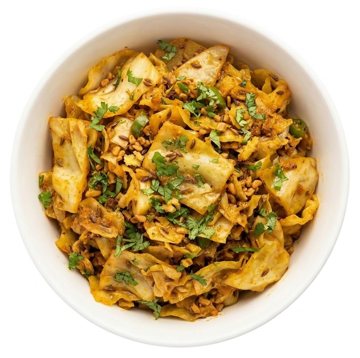
- Same: Karamkalla shares the same base spices with this dish, using asafoetida, cumin seeds, fenugreek seeds, fresh and ground ginger, green chillies, chilli powder, and ground coriander.
- Different: Instead of slow-steaming bottle gourd in ghee with Garam Masala Kashmiri and fresh coriander leaves, Karamkalla is a dry stir-fry of cabbage cooked in vegetable oil with ground turmeric and sugar.

- Same: Lauki ka Raita shares bottle gourd, green chilli, cumin seed, and salt with this dish.
- Different: Lauki ka Raita uses yogurt as its creamy base and souring agent, plus raisins, sugar, and dried mint, while it lacks this dish's ghee, asafoetida, fenugreek, ginger, chilli powder, coriander leaf, lentil dumpling, and garam masala, and it is mixed rather than slow-steamed in ghee.