
Kosumbari
A crunchy South Indian-style salad of grated raw mango, carrot and cucumber with fresh coconut, lime and a mustard-seed tempering. It tastes tangy, fresh and lightly sweet, with a warm mustard aroma.
Tempering seeds
3.5 gAdded to the hot oil (step 5)Everything else

Method
- In a large bowl, combine 250 g raw mango, 100 g carrot, 200 g cucumber, 100 g fresh coconut and 3 g coriander leaf.
- Add salt to taste, 8.4 g granulated sugar and 100 g lime juice.
- Mix everything well and set the bowl aside.
- For the tempering, heat 40.5 g vegetable or coconut oil in a small frying pan over medium heat.
- Add the tempering seeds (3.5 g black mustard seed) and cook until they begin to splutter.
- Turn off the heat and immediately stir in 2 g green bird's-eye chilli and 2.5 g curry leaf.
- Pour the tempering over the salad in the bowl and stir well to combine.
- Transfer the mixed salad to a platter.
Don't have something?


 Raw green mango
Use the same weight; peel and slice. Practically interchangeable.
 Unripe mango
Use the same weight; peel and grate. Close, but may be slightly less sour.
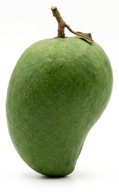 Sour green mango
Use the same weight; peel and deseed. More sour, so reduce lime or amchoor.


 Turnip
Use the same weight; peel and cut as for carrot. It is less sweet and slightly peppery, so add a pinch of sugar and expect a softer, more earthy result.
 Potato
Use the same weight; cut into similar pieces and add 5–10 minutes' extra cooking. It gives bulk but no carrot sweetness or colour.
 Courgette
Use the same weight; cut a little larger and add near the end. It releases water, so reduce other liquid slightly and expect a softer texture.


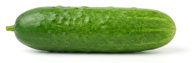
- Courgette
Use the same weight; peel if eating raw and salt-drain briefly. Softer and less watery.
 White radish
Use 70% of the weight, grate, salt and squeeze out water. Sharper and peppery.
 Chayote
Use the same weight, peeled and diced; crisp but bland, so adjust salt and lemon.



 Desiccated coconut
Use 50% to 60% of the weight, soaked in equal parts warm water for 15 minutes before grinding. Works well for chutneys, though texture is slightly finer and sweeter.
 Coconut milk
Use 1.2 times the weight in curries. Adds creamy richness and authentic flavour, but makes gravies smoother and eliminates the grated, chewy mouthfeel.


 Jaggery
Use equal weight; grate or shave finely so it dissolves rapidly, giving a warm, caramel-like sweetness and slightly darker sauce.


 Lemon
Use the same weight; sharper and less floral, so reduce any extra souring slightly.
 Lemon juice
Use about 30 g juice per lime (2 tbsp), strain pips; add at the end for fresh sourness.
 Dried mango powder
Use 1 g amchoor for about 15 g lime juice; add early with spices; gives dry mango sourness, not citrus aroma.


 Sunflower oil
Use the same weight. Neutral, no change to flavour.
 Groundnut oil
Use the same weight. Slightly nutty, suits Indian dishes.
 Mustard oil
Use the same weight but heat to smoking point first. Strong pungent flavour changes the dish.


 Mustard seeds
Use equal weight. Pop in hot fat until they crackle and turn greyish; yields an almost identical nutty, pungent finish.
 Yellow mustard seeds
Use equal weight. Fry over medium heat; delivers a milder, sweeter pop and turns bitter quickly if the oil is excessively hot.


- Bird's eye green chilli
Use the same weight; heat and flavour are very close.
 Green chilli
Use 1.5 to 2 times the weight; deseed for less heat. Larger chillies are more watery.
 Fresh green chilli
Use 1.5 to 2 times the weight; chop finely and adjust heat by tasting.


 Bay leaf
Fry 1 bay leaf for every 5 curry leaves in hot oil; imparts a warm, woodsy background note, but misses the citrus-sulphury punch entirely.
 Lime juice
Add a small squeeze (about 5 ml per sprig of curry leaves) right before serving; provides sharp citrus top notes without the toasty, herbal aroma.

Similar dishes

- Same: Andhra Carrot Pachadi shares carrot, unripe mango, vegetable oil, black mustard seed, sugar and salt with this dish.
- Different: Andhra Carrot Pachadi uses far more carrot and adds water, dried Kashmiri chilli, asafoetida and fenugreek, while it lacks cucumber, fresh coconut, lime, green chilli, curry leaf and coriander, so it is a blended chutney rather than a grated raw salad.

- Same: Khamang Kakdi shares cucumber, fresh coconut, lime, sugar, black mustard seed, curry leaf and green bird's-eye chilli with this dish, and both are raw salads finished with a mustard-seed tempering.
- Different: Khamang Kakdi uses 450 g cucumber, 60 g crushed peanuts and 26.4 g ghee, and it lacks this dish's raw mango, carrot, coriander leaf and vegetable or coconut oil.

- Same: Koshimbir shares with this dish a crunchy base of grated cucumber and carrot, fresh coconut, lime, sugar, coriander and salt.
- Different: Koshimbir adds roasted peanuts, cumin seed and mild chilli powder but lacks this dish's raw mango, fresh coconut amount, green bird's-eye chilli, curry leaf and mustard-seed oil tempering.

- Same: Kachumber shares with this dish a raw vegetable base of cucumber and carrot, coriander, salt, sugar and a tangy souring agent.
- Different: Kachumber adds tomato and red onion and uses lemon, cumin seed and Kashmiri chilli powder, while it lacks this dish's raw mango, fresh coconut, lime, oil tempering with black mustard seed, green chilli and curry leaf.