
Koshimbir
A crunchy Indian salad of grated cucumber and carrot with roasted peanuts, coconut, cumin and chilli, finished with lime and sugar. It tastes fresh, tart and lightly sweet with a gentle spice.
Salad spices
1.7 gTossed with the vegetables (step 2)Everything else

Method
- Coarsely grate 400 g cucumber, squeeze out as much water as you can, and put it in a mixing bowl.
- Add 150 g carrot, coarsely grated, 30 g roasted peanut, 5.1 g desiccated coconut, 3 g coriander leaves, chopped, and the salad spices. Toss well.
- Just before serving, add 0.3 g granulated sugar, 30.6 g lime juice and salt to taste. Toss again.
Don't have something?
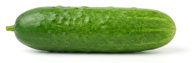
 Courgette
Use the same weight; peel if eating raw and salt-drain briefly. Softer and less watery.
 White radish
Use 70% of the weight, grate, salt and squeeze out water. Sharper and peppery.
 Chayote
Use the same weight, peeled and diced; crisp but bland, so adjust salt and lemon.


 Turnip
Use the same weight; peel and cut as for carrot. It is less sweet and slightly peppery, so add a pinch of sugar and expect a softer, more earthy result.
 Potato
Use the same weight; cut into similar pieces and add 5–10 minutes' extra cooking. It gives bulk but no carrot sweetness or colour.
- Courgette
Use the same weight; cut a little larger and add near the end. It releases water, so reduce other liquid slightly and expect a softer texture.


 Roasted peanut
Use the same weight; adjust salt if they are already salted, and crush or grind as the recipe asks.
 Cashew nut
Use the same weight; they are richer and softer, so roast for a shorter time and reduce added fat.
 Almond
Use the same weight; blanch and peel for sauces, or chop for texture. They are firmer and less oily.


 Ground cumin
Use 70% of the weight; add with ground spices or sauce bases rather than hot oil tempering, where it scorches quickly and turns bitter.
 Black cumin seeds
Use equal weight for oil tempering. Delivers an earthy profile with an additional musky, smoky, and slightly bitter edge.
 Fennel seed
Use 60% of the weight for tempering; offers comparable warm aroma, but leans sweet and liquorice-like rather than savoury and earthy.


 Grated desiccated coconut
Use equal weight directly; it is the identical ingredient under a different label.
 Fresh coconut
Grate finely and use 130% to 140% of the weight to compensate for higher moisture; toast gently in a dry pan over low heat if a dry texture is needed.
 Dried coconut
Grate finely using a microplane and use equal weight. Offers a slightly oilier, toastier coconut profile.


 Coriander (cilantro) or basil
Use the same weight, choosing the coriander element if available. If only basil is available, expect a sweeter, more aniseed flavour.
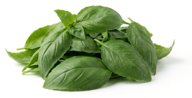 Basil leaves
Use the same weight. Basil is sweeter and more aromatic in a different way; add near the end so it keeps its perfume.
 Coriander paste
Use 1.5 times the weight and reduce other liquid slightly; it is less fresh and more concentrated, so taste before adding more.


 Mild paprika
Use the same weight for colour and low heat; add a small pinch of hot chilli powder if needed.
 Kashmiri chilli powder
Use the same weight; similar colour, slightly more heat. Taste before adding more.
 Red chilli powder
Use half the weight and make up with mild paprika; red chilli powder is usually hotter.


 Jaggery
Use equal weight; grate or shave finely so it dissolves rapidly, giving a warm, caramel-like sweetness and slightly darker sauce.


 Lemon juice
Use equal volume or weight; slightly sweeter and less pungent, but otherwise an imperceptible swap.
 Dried mango powder
Use 25% of the weight; imparts dry, fruity sourness, best stirred in right at the end of cooking.
 Tamarind extract
Use 50% of the weight; delivers pleasant fruity tang but turns pale sauces considerably darker.


Similar dishes

- Same: Khamang Kakdi shares cucumber, peanuts, coconut, lime, sugar and chilli with this dish.
- Different: Khamang Kakdi lacks carrot, cumin, coriander and desiccated coconut, uses fresh coconut and more peanuts, and adds a ghee tempering with black mustard seed, curry leaf and green bird's-eye chilli, while this dish is a raw tossed salad with cumin seed and chilli powder.

- Same: Kachumber shares with this dish a raw salad style with cucumber, carrot, cumin, chilli, coriander, salt, citrus juice and a little sugar.
- Different: Kachumber adds tomato and red onion and uses lemon, while this dish uses lime and includes roasted peanuts and desiccated coconut, so Kachumber has no nutty or coconut element.

- Same: Kosumbari and this dish are both crunchy salads of grated cucumber and carrot with coconut, coriander, lime, sugar, salt and chilli.
- Different: Kosumbari adds grated raw mango, fresh coconut, a mustard-seed tempering in oil, curry leaves and green bird's-eye chilli, while this dish uses desiccated coconut, roasted peanuts, cumin seed and mild chilli powder with no tempering.

- Same: Kakdi ka Raita shares cucumber, roasted cumin, coriander and salt with this dish, and both are served raw without cooking.
- Different: Kakdi ka Raita uses full-fat yoghurt as its main base and lacks this dish's carrot, peanuts, desiccated coconut, lime juice, sugar and chilli powder.