
Kachumber
A fresh Indian salad of crisp cucumber, tomato, onion and carrot with a tangy lemon dressing. It tastes cooling, tangy and lightly sweet, with a mild cumin-chilli warmth.
Dressing spices
3.4 gStirred into the lemon dressing (step 3)Everything else

Method
- Combine 400 g diced cucumber, 200 g diced tomato, 100 g thinly sliced red onion, 100 g coarsely grated carrot and 6 g finely chopped coriander leaves in a large bowl.
- In a small bowl, stir 50 g lemon juice and 18.9 g caster sugar with salt to taste until the sugar dissolves.
- Add the dressing spices (the masala) to the lemon mixture and stir to combine.
- About 1 hour before serving, pour the dressing over the vegetables and mix well.
- Leave the kachumber at room temperature for 1 hour so the vegetables absorb the dressing.
- Arrange the kachumber on a platter before serving.
Don't have something?
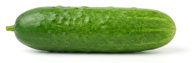
 Courgette
Use the same weight; peel if eating raw and salt-drain briefly. Softer and less watery.
 White radish
Use 70% of the weight, grate, salt and squeeze out water. Sharper and peppery.
 Chayote
Use the same weight, peeled and diced; crisp but bland, so adjust salt and lemon.


 Tomato purée
Use 40% to 50% of the fresh tomato weight mixed with a splash of water. Imparts a deeper red colour, thicker sauce, and slightly sweeter cooked flavour.
 Plain yogurt
Use 60% of the weight, whisked smooth and added on low heat. Provides rich body and sourness, though the gravy becomes paler and creamier.

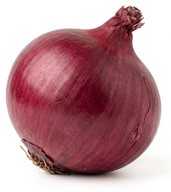
 Onion
Use the same weight; cook a little longer. Milder and less sweet when raw.
 Shallot
Use the same weight; sweeter and softer, so reduce cooking time slightly.
 Spring onion
Use only the white parts, weight for weight, for raw or quick-cooked dishes; green parts are too grassy for long cooking.


 Turnip
Use the same weight; peel and cut as for carrot. It is less sweet and slightly peppery, so add a pinch of sugar and expect a softer, more earthy result.
 Potato
Use the same weight; cut into similar pieces and add 5–10 minutes' extra cooking. It gives bulk but no carrot sweetness or colour.
- Courgette
Use the same weight; cut a little larger and add near the end. It releases water, so reduce other liquid slightly and expect a softer texture.


 Coriander (cilantro) or basil
Use the same weight, choosing the coriander element if available. If only basil is available, expect a sweeter, more aniseed flavour.
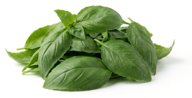 Basil leaves
Use the same weight. Basil is sweeter and more aromatic in a different way; add near the end so it keeps its perfume.
 Coriander paste
Use 1.5 times the weight and reduce other liquid slightly; it is less fresh and more concentrated, so taste before adding more.


 Lime
Use the same weight or juice amount; sharper, so taste before adding all the juice.
 Lemon juice
Use about 45–50 ml for 1 lemon; add off the heat to keep the freshness.
 Dried mango powder
Use 1 tsp for the juice of 1 lemon; add early. Sourness is flatter and less fresh.


 Ground cumin
Use 70% of the weight; add with ground spices or sauce bases rather than hot oil tempering, where it scorches quickly and turns bitter.
 Black cumin seeds
Use equal weight for oil tempering. Delivers an earthy profile with an additional musky, smoky, and slightly bitter edge.
 Fennel seed
Use 60% of the weight for tempering; offers comparable warm aroma, but leans sweet and liquorice-like rather than savoury and earthy.


 Dried kashmiri chilli
Grind deseeded dried pods to an equal weight of powder; gives identical vivid red colour and gentle warmth.
 Red chilli powder
Use 25% of the weight mixed with sweet paprika for colour; straight red chilli powder is substantially hotter and will make the dish fiery.
 Chilli powder
Use one-third of the weight; the sauce will be less intensely red and notably sharper in heat.


 Granulated sugar
Use the same weight. It is slightly coarser, so stir a little longer to dissolve; in baking, grind briefly if a fine texture matters.
 Demerara sugar
Use the same weight, but dissolve it earlier as it is coarser. It adds a light caramel note and a little colour.
 Ground jaggery or soft brown sugar
Use the same weight; crush or grate jaggery first. It darkens the dish and adds molasses flavour, so reduce other liquid slightly.


Similar dishes

- Same: Koshimbir and this dish are both no-cook Indian salads built on cucumber and carrot, with cumin, chilli, coriander, salt and a sour citrus dressing.
- Different: Koshimbir uses grated cucumber and carrot, roasted peanuts, desiccated coconut, lime juice and only 0.3 g sugar, while this dish uses chopped cucumber, tomato, red onion and carrot, lemon juice and 18.9 g caster sugar, with no peanuts or coconut.

- Same: Kosumbari and this dish are both crunchy raw vegetable salads with cucumber, carrot, coriander, salt and sugar, and both are tangy and lightly sweet.
- Different: Kosumbari adds grated raw mango, fresh coconut, lime, green bird's-eye chilli, curry leaf and a mustard-seed oil tempering, while this dish uses tomato, red onion, lemon, cumin seed and Kashmiri chilli powder with no coconut, mango or tempering.

- Same: Bengali Tamatar Chutney shares tomato, cumin seed, Kashmiri chilli powder and salt with this dish.
- Different: It is cooked with vegetable oil, fennel seed, nigella seeds, dried red chilli, jaggery and malt vinegar, while this dish is a raw salad with cucumber, onion, carrot, coriander and lemon.
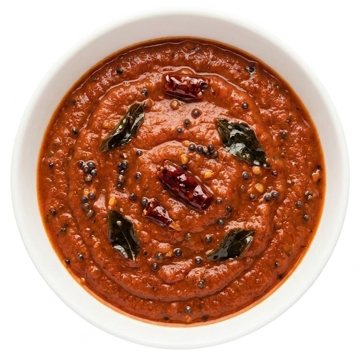
- Same: Tomato Chutney shares tomato, onion, cumin seed and Kashmiri chilli powder with this dish.
- Different: Tomato Chutney is cooked and ground smooth with tamarind, garlic, vegetable oil and a mustard-seed, dried chilli and curry-leaf tempering, while this dish is a raw chopped salad with cucumber, carrot, coriander, lemon and sugar and no added fat.