
Venkayya Thuvaiyal
A smoky South Indian aubergine mash enriched with lentils and soured with tamarind. It offers a punchy balance of charred depth, savoury lentils, and sharp heat.
spices for the paste
2.3 gBlended with the lentils and seasonings (step 2)Everything else

Method
- Char 1 aubergine over an open gas flame, rotating regularly until the skin is completely blistered and blackened. Alternatively, cook under a grill (broiler) preheated to medium for 12–15 minutes, turning frequently until charred all over. Allow it to cool, peel away the skin, and thoroughly crush the flesh in a bowl using a spoon.
- Place 12.9 g urad dal, 25.2 g chana dal, 13.5 g vegetable oil, 6 g green chilli, 1 teaspoon tamarind paste, the spices for the paste, and salt to taste into a blender or food processor. Puree until a smooth paste forms.
- Fold the mashed aubergine into the spiced paste until evenly combined.
Don't have something?


 Baby aubergine
Use the same weight; halve or quarter and cook 2–3 minutes longer. They hold their shape better in the sauce.
 Small aubergine
Use the same weight; slice or cube to the recipe's size. Similar flesh, slightly firmer.
 Round aubergine
Use the same weight; cube and salt for 10 minutes if the recipe does. It absorbs oil a little more.


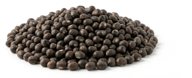 Whole black gram
Use equal weight. Needs longer soaking and cooking; the dark skins impart an earthy flavour and greyish-black hue unless thoroughly rubbed off.
 Chana dal
Use equal weight when tempering (tadka). Provides a comparable nutty, crunchy texture in hot oil, though grains are slightly larger.
 Split mung beans
Use equal weight for batters or dals. Ferments and cooks faster, producing a lighter, less sticky, and less viscous consistency.

 Yellow split peas
Use 100% of the weight. Soak for at least 1 hour; takes about 10 minutes longer to cook through and has a marginally earthier flavour.
 Pigeon peas
Use 100% of the weight. Reduces cooking time by about 10 minutes and breaks down softer, giving a smoother consistency rather than distinct grains.
- Black gram
For tempering or tadka only: use 70% of the weight. Browns faster in hot oil, providing a nutty, crunchy bite.


 Dried kashmiri chilli
Use equal weight whole. Fry in hot oil or ghee as tempered spice; gives a richer red colour with slightly milder heat.
 Red chilli powder
Use 50% to 70% of the weight. Stir into the oil with ground spices; distributes heat evenly throughout the dish without whole chilli skins.


 Garlic powder
Use double the weight. Stir into hot oil just before adding wet ingredients; mimics the allium savoury background without the sulphurous edge.
 Garlic paste
Use 2 g for every 0.5 g of asafoetida. Sauté in oil until the raw smell clears; adds moisture and sweet allium depth.


 Peanut oil
Use 1:1 by weight. Handles high-heat frying identically and introduces a very subtle, pleasant nuttiness.
 Ghee
Use 1:1 by weight. Yields a much richer, authentic aroma and a glossy, heavier mouthfeel.
 Mustard oil
Use 1:1 by weight. Heat until smoking, then cool slightly before cooking to temper its intensely pungent, sharp mustard kick.



 Tamarind
Use 180% of the weight of compressed tamarind; soak in three times its weight of boiling water for 15 minutes, knead, and strain out the thick pulp.
 Dried mango powder
Use 35% of the weight dissolved in two tablespoons of warm water. Provides sharp tang, though the resulting sauce will be lighter in colour.
 Lemon juice
Use equal weight, added right at the end of cooking. Adds sharp acidity without the deep brown hue or pulpy thickness.


 Chilli powder
Use 10 to 15% of the weight (about 1/4 teaspoon per chilli); imparts dry pungent heat and reddens the dish without the grassy crunch.
- Dried red chilli
Use 1 dried pod per fresh green chilli; snap in half and temper in hot oil for a deeper, toastier heat.

Similar dishes

- Same: Gutti Vengkayya also combines aubergines with chana dal, urad dal, dried red chillies, asafoetida, and tamarind in vegetable oil.
- Different: Instead of charring and mashing the aubergines, Gutti Vengkayya stuffs them whole and cooks them in a generous onion base seasoned with coriander, cumin, turmeric, mustard seeds, and curry leaves.

- Same: Both are South Indian aubergine dishes seasoned with vegetable oil, urad dal, dried red chillies, asafoetida, and tamarind.
- Different: Kathirakkai Poriyal is a dry stir-fry cooked with chopped onions, mustard seeds, coriander seeds, turmeric, and curry leaves, whereas this dish is a mash made with chana dal and fresh green chillies.

- Same: Both dishes feature aubergine cooked with vegetable oil, green chillies, dried red chilli, and asafoetida.
- Different: Instead of mashing charred aubergine with urad dal, chana dal, and tamarind, Dahi ke Baigan simmers pan-fried aubergine slices in a yogurt sauce tempered with mustard seeds, ginger, garlic, and curry leaves.

- Same: Bengali Begun Bhaja and this dish both center on aubergine cooked with chilli, oil, and salt.
- Different: Bengali Begun Bhaja uses turmeric and kashmiri chilli powder or mild paprika and is shallow-fried in thick rounds, while this dish uses urad dal, chana dal, asafoetida, tamarind, and green chilli and is mashed.