Indian cooking
Kaliya (Lamb in Yoghurt Sauce (II))

Kaliya

Lamb in Yoghurt Sauce (II)
Non-vegetarian●●●Origin Jammu and KashmirPrep 30 minutesCook 2 hours

A fragrant Kashmiri lamb curry braised slowly in a yoghurt sauce until deeply browned and tender, finished with root vegetables and warm spices.

Initial spices

5 gAdded to the pan with the meat and yoghurt (step 1)
01
~0.3 gpinch
spice
02
0.3 g4 cloves
spice
03
2.6 g1 teaspoon
spice
04
1.8 g1 teaspoon
spice
Keep whole and ground spices together as weighed.

Turmeric

3 gStirred in once the meat softens (step 3)
01
3 g1 teaspoon
spice
Keep as a ground powder.

Infusion spices

2 gPlaced in the pan inside a muslin pouch (step 4)
01
2 g1 teaspoon
spice
Keep whole; tie securely inside a piece of muslin cloth.

Everything else

01
50 g
oil/fat
02
259 g250 ml
dairy
04
Ginger · Adrakpeeled and ground
24 g1 piece
aromatic
05
250 g
vegetable
06
4.2 g1 teaspoon
sweetener
07
~100 g1 bunch
herb
08
to taste
salt

Method

  1. Melt 50 g ghee in a heavy-based pot over low heat. Add the initial spices, 259 g yogurt, 1000 g lamb, 24 g ginger, and salt to taste.
  2. Put on the lid and simmer gently, stirring frequently to prevent sticking, until the liquid cooks off and a reddish crust starts forming on the pan bottom. Splash in about 30 ml (2 tbsp) of water, cover, and repeatedly scrape the base while turning the meat to avoid scorching. Continue this splash-and-scrape routine for roughly 20 minutes until the meat takes on a deep, rich brown colour.
  3. Pour in 500 ml of water, cover, and simmer over low heat for at least 1½ hours until the meat is tender. Stir in the turmeric.
  4. Drop the pouch containing the infusion spices into the pan along with 250 g turnips or potatoes, pouring in a little extra water if needed so the ingredients are submerged. Simmer until the vegetables are cooked through and tender.
  5. Remove and discard the spice pouch, then skim off any floating surface fat. Stir through 2 teaspoon Garam Masala Kashmiri, 4.2 g granulated sugar, and 100 g coriander leaf before taking off the heat.

Don't have something?

Ghee
  • Unsalted butter

    Use 120% of the weight; melt gently over low heat to avoid burning the milk solids, which will yield a softer, creamier richness rather than a nutty aroma.

  • Vegetable oil

    Use 85% of the weight; holds high cooking temperatures without smoking, but the final dish will lack traditional dairy depth.

  • Mustard oil

    Use equal weight; heat to smoking point and cool slightly before cooking, bearing in mind it introduces an assertive, pungent edge.

Asafoetida
  • Garlic powder

    Use double the weight. Stir into hot oil just before adding wet ingredients; mimics the allium savoury background without the sulphurous edge.

  • Garlic paste

    Use 2 g for every 0.5 g of asafoetida. Sauté in oil until the raw smell clears; adds moisture and sweet allium depth.

Clove
  • Ground cloves

    Use 1 g ground for 4 g whole (or 1 small pinch per 2 to 3 whole cloves). Add with spice powders; disperses intense warmth quickly, so use with restraint.

  • Allspice berries

    Use 100% of the weight whole in tempering. Imparts a warm, clove-like aromatic profile combined with hints of nutmeg and cinnamon.

  • Black cardamom pod

    Use 1 pod for 3 to 4 cloves in whole tempering. Shares a camphor-like warmth and medicinal depth, though it introduces a distinct smoky undertone.

Yogurt
  • Plain yogurt

    Use 100% of the weight. Whisk thoroughly until smooth before stirring into warm gravies to prevent curdling.

  • Single cream

    Use 90% of the weight combined with 10% lemon juice to replicate the lactic tang and rich body in marinades and curries.

Lamb chop and breast piece
  • Mixed lamb pieces

    Use the same total weight; keep pieces even and adjust cooking time to the largest piece.

  • Lamb shoulder

    Use the same weight; leaner and meatier, so add a little oil and simmer 10 minutes longer.

  • Lamb chop

    Use the same weight if only the breast is missing; the dish will be less rich and fatty.

Chilli powder
  • Red chilli powder

    Use 100% of the weight. Provides direct, sharp heat and red colour in equal measure.

  • Kashmiri chilli powder

    Use 150% to 200% of the weight if matching colour, but add a pinch of black pepper or hot chilli if you need equivalent fiery heat.

  • Cayenne pepper

    Use 75% to 100% of the weight. Offers a sharp, clean heat with slightly less earthy depth and less crimson colour.

Ginger
  • Fresh ginger

    Use equal weight; scrape off the skin and grate or finely julienne according to the recipe.

  • Ginger paste

    Use equal weight; stir straight into the sizzling aromatics, taking care as the extra moisture may spit.

  • Ground ginger

    Use 15 to 20% of the weight; add alongside ground spices, noting it imparts warm, dry heat rather than zesty freshness.

Ground ginger
  • Ginger paste

    Use 300% to 400% of the weight (e.g. 3–4 g paste for 1 g ground). Fry in oil alongside onions; provides a juicy, pungent kick rather than a dry, baking-spice heat.

  • Fresh ginger

    Peel and grate finely; use 300% to 400% of the weight. Add to the hot oil early; delivers bright, peppery warmth rather than the mellow, woody heat of dry ginger.

  • Ground mace

    Use 50% of the weight. Imparts a warm, spicy undertone in rich gravies, but lacks ginger's fiery, sharp zest.

Ground turmeric
  • Ground ginger

    Use 50% of the weight. Mimics turmeric's warm, earthy, rhizome background, but provides none of the golden-yellow colour.

  • Saffron

    Steep a tiny pinch (0.1 g per 2 g turmeric) in 2 tbsp warm water; use to match the rich golden hue. Contributes an aristocratic, honeyed floral flavour rather than earthy bitterness.

Fennel seed
  • Aniseed

    Use 75% of the weight. Fry in hot oil or ghee; has a sharper, more pronounced liquorice flavour, so use a lighter hand.

  • Ground fennel seed

    Use 60% of the weight. Stir into the sauce with ground masalas; provides identical sweet aniseed flavour without whole seed crunch.

  • Star anise

    Use one point (single carpel) per 1 g of fennel seeds. Simmer in gravies and remove before serving; gives a deeper, woodier liquorice aroma.

Turnip or potato
  • Carrot

    Use the same weight; cut to the same size. It is sweeter and holds its shape well.

  • Sweet potato

    Use the same weight; cut slightly larger. It softens faster and makes the dish sweeter.

  • White radish

    Use the same weight; cut to the same size. It is more peppery and releases more water.

Kashmiri garam masala
  • Garam masala

    Use 75–80% of the weight; add at the same stage. More pungent and less aromatic, so taste before adding more.

  • Ground garam masala

    Use 75–80% of the weight; stir in off the heat. Finer powder, so it releases aroma quickly.

  • Ground cardamom and mace

    Use 20–25% of the weight alongside garam masala for aroma; it lacks the full spice profile.

Granulated sugar
  • Jaggery

    Use equal weight; grate or shave finely so it dissolves rapidly, giving a warm, caramel-like sweetness and slightly darker sauce.

Coriander leaf
  • Coriander

    Use equal weight finely chopped; this is the exact same fresh herb.

  • Mint

    Use half the weight finely chopped; provides vibrant green freshness, though the flavour profile becomes noticeably cooler and sharper.

Similar dishes

Darashahi Kaliya
Lamb Ribs in Sauce
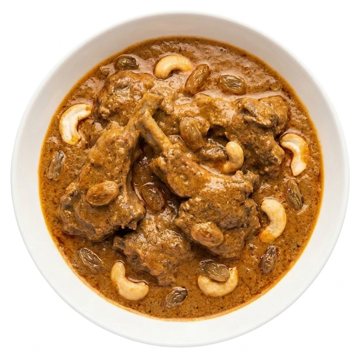
Darashahi Kaliya tastes richer, creamier, and fruitier, with a sharp mustard oil undertone, but lacks the herbal coriander, fresh ginger punch, and aniseed notes of this dish.
  • Same: Both are Kashmiri braised lamb curries that use yogurt as a base and share asafoetida, cloves, ground ginger, turmeric, chilli powder, and Kashmiri garam masala.
  • Different: Darashahi Kaliya cooks lamb ribs in mustard oil with milk, cinnamon, green cardamom, and raisins, omitting the ghee, fresh ginger, fennel seeds, and fresh coriander leaf used in this dish.
Kashmiri Kofte
Lamb Koftas in Sauce
Kashmiri Kofte delivers a sharper, pungent kick from mustard oil and heavy asafoetida, whereas this dish has a sweeter, more herbal profile from fennel and fresh coriander.
  • Same: Both dishes feature lamb simmered in a spiced yogurt gravy seasoned with Kashmiri garam masala, clove, turmeric, chili, and ground ginger.
  • Different: Kashmiri Kofte shapes the lamb into minced meatballs and cooks them in mustard and vegetable oil with cumin, omitting this dish's ghee, fennel seeds, fresh ginger, and fresh coriander.
Kabargah
Batter-fried Lamb Ribs
Kabargah is richer and crisply fried with sweet, warm undertones from milk and cinnamon, lacking the tart acidity from the yogurt and the fresh herbal heat found in this dish.
  • Same: Both dishes feature lamb cooked with ghee and seasoned with Kashmiri staples like asafoetida, cloves, fennel seeds, ground ginger, and chilli powder.
  • Different: Kabargah poaches lamb ribs in milk spiced with cinnamon and cardamom before frying them in batter, whereas this dish braises lamb in a yogurt-based sauce with fresh ginger, turmeric, and fresh coriander.
Roghanjosh
Scarlet Rich Lamb Curry
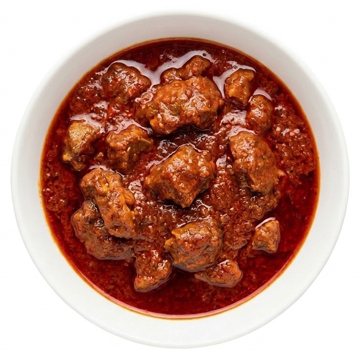
Roghanjosh tastes noticeably richer with aromatic saffron notes, lacking the herbal brightness and anise finish of this dish.
  • Same: Roghanjosh also braises lamb in a spiced yogurt base flavored with fresh and ground ginger, cloves, asafoetida, and chilli powder.
  • Different: It uses substantially more fat and adds saffron and cinnamon, but omits the turmeric, fennel seeds, and fresh coriander leaf found in this dish.