Indian cooking
Indian cooking / Dishes / Kashmiri Kofte
Kashmiri Kofte (Lamb Koftas in Sauce)

Kashmiri Kofte

Lamb Koftas in Sauce
Non-vegetarian●●●Origin Jammu and KashmirPrep 30 minutesCook 45 minutes

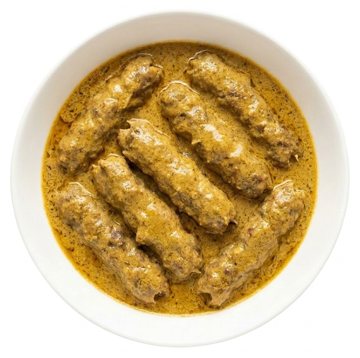
Torpedo-shaped lamb meatballs gently simmered in a velvety, yogurt-based sauce flavoured with dry ginger and Kashmiri spices. The dish is rich, deeply aromatic, and mildly spiced with a pleasant savoury tang.

Kofta spices

7 gMixed into the minced lamb (step 1)
01
1.8 g1 teaspoon
spice
03
Asafoetida · Hingdiluted in a little water
2.8 g1 teaspoon
spice
Dissolve the asafoetida in a splash of water, then combine with the ginger and chilli.

Tempering spices

5 gFried in the reheated oil (step 3)
01
0.4 g5 cloves
spice
02
2.1 g1 teaspoon
spice
03
2.8 g1 teaspoon
spice
Keep whole: they go into the warm oil together.

Colouring spices

6 gStirred into the spiced oil with water (step 4)
Stir together into an even blend.

Sauce ginger

1.8 gStirred into the diluted sauce (step 6)
01
1.8 g1 teaspoon
spice
Keep dry as a powder.

Everything else

01
27 g2 tablespoons
oil/fat
02
240 g1 cup
dairy
03
4.2 g1 teaspoon
sweetener
04
to taste
salt
05
to taste
meat
06
Mustard oil · Sarson Ka Telplus extra for oiling
27 g2 tablespoons
oil/fat
07
15 g1 tablespoon
dairy

Method

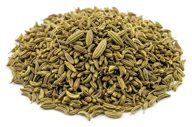
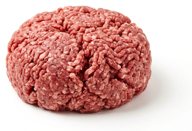
  1. In a large mixing bowl, combine the minced lamb with 27 g mustard oil, 15 g plain yogurt, 2 teaspoons aniseed, 1 teaspoon Garam Masala Kashmiri, salt to taste, and the kofta spices. Mix thoroughly until smooth and cohesive. Portion the meat evenly, rub hands with extra mustard oil, and shape each portion into an 8-cm (3-inch) cylinder. Set aside.
  2. Warm 27 g vegetable oil in a large, heavy saucepan over high heat, then remove from the heat and allow to cool down.
  3. Return the cooled pan to medium heat, add the tempering spices, and cook for 3 to 4 minutes while stirring.
  4. Stir in the colouring spices along with 4 tablespoons of water, cooking constantly for another 2 minutes until the oil splits and turns a rich reddish-brown.
  5. Take the pan off the heat and smoothly whisk in 240 g whisked plain yogurt. Place back over low heat and stir non-stop until the sauce thickens and turns evenly reddish-brown.
  6. Pour in 500 ml water, then mix in the sauce ginger, 2 teaspoons aniseed, 4.2 g granulated sugar, and salt to taste, stirring continuously to stop the yogurt from separating.
  7. Lower the shaped koftas gently into the liquid and simmer for 30 minutes, until the liquid reduces and the gravy thickens. Lightly stir in 1 teaspoon Garam Masala Kashmiri and remove from the heat.

Don't have something?

Vegetable oil
  • Peanut oil

    Use 1:1 by weight. Handles high-heat frying identically and introduces a very subtle, pleasant nuttiness.

  • Ghee

    Use 1:1 by weight. Yields a much richer, authentic aroma and a glossy, heavier mouthfeel.

  • Mustard oil

    Use 1:1 by weight. Heat until smoking, then cool slightly before cooking to temper its intensely pungent, sharp mustard kick.

Kashmiri garam masala
  • Garam masala

    Use 75–80% of the weight; add at the same stage. More pungent and less aromatic, so taste before adding more.

  • Ground garam masala

    Use 75–80% of the weight; stir in off the heat. Finer powder, so it releases aroma quickly.

  • Ground cardamom and mace

    Use 20–25% of the weight alongside garam masala for aroma; it lacks the full spice profile.

Clove
  • Ground cloves

    Use 1 g ground for 4 g whole (or 1 small pinch per 2 to 3 whole cloves). Add with spice powders; disperses intense warmth quickly, so use with restraint.

  • Allspice berries

    Use 100% of the weight whole in tempering. Imparts a warm, clove-like aromatic profile combined with hints of nutmeg and cinnamon.

  • Black cardamom pod

    Use 1 pod for 3 to 4 cloves in whole tempering. Shares a camphor-like warmth and medicinal depth, though it introduces a distinct smoky undertone.

Cumin seed
  • Ground cumin

    Use 70% of the weight; add with ground spices or sauce bases rather than hot oil tempering, where it scorches quickly and turns bitter.

  • Black cumin seeds

    Use equal weight for oil tempering. Delivers an earthy profile with an additional musky, smoky, and slightly bitter edge.

  • Fennel seed

    Use 60% of the weight for tempering; offers comparable warm aroma, but leans sweet and liquorice-like rather than savoury and earthy.

Asafoetida
  • Garlic powder

    Use double the weight. Stir into hot oil just before adding wet ingredients; mimics the allium savoury background without the sulphurous edge.

  • Garlic paste

    Use 2 g for every 0.5 g of asafoetida. Sauté in oil until the raw smell clears; adds moisture and sweet allium depth.

Kashmiri chilli powder
  • Dried kashmiri chilli

    Grind deseeded dried pods to an equal weight of powder; gives identical vivid red colour and gentle warmth.

  • Red chilli powder

    Use 25% of the weight mixed with sweet paprika for colour; straight red chilli powder is substantially hotter and will make the dish fiery.

  • Chilli powder

    Use one-third of the weight; the sauce will be less intensely red and notably sharper in heat.

Ground turmeric
  • Ground ginger

    Use 50% of the weight. Mimics turmeric's warm, earthy, rhizome background, but provides none of the golden-yellow colour.

  • Saffron

    Steep a tiny pinch (0.1 g per 2 g turmeric) in 2 tbsp warm water; use to match the rich golden hue. Contributes an aristocratic, honeyed floral flavour rather than earthy bitterness.

Plain yogurt
  • Yogurt

    Use equal weight, whisked thoroughly until smooth before adding to hot dishes to prevent curdling.

  • Coconut milk

    Use equal weight with 1 teaspoon lemon juice mixed in. Provides rich creaminess in curries, but adds a noticeable coconut flavour.

  • Single cream

    Use 80% of the weight plus a squeeze of lemon juice for acidity. Enriches sauces nicely, though it is richer and less tangy.

Ground ginger
  • Ginger paste

    Use 300% to 400% of the weight (e.g. 3–4 g paste for 1 g ground). Fry in oil alongside onions; provides a juicy, pungent kick rather than a dry, baking-spice heat.

  • Fresh ginger

    Peel and grate finely; use 300% to 400% of the weight. Add to the hot oil early; delivers bright, peppery warmth rather than the mellow, woody heat of dry ginger.


  • Ground mace

    Use 50% of the weight. Imparts a warm, spicy undertone in rich gravies, but lacks ginger's fiery, sharp zest.

Ground aniseed
  • Ground fennel seed

    Use the same weight; fennel is the closest everyday match, slightly sweeter and milder.

  • Aniseed

    Grind the same weight freshly; the aroma is stronger, so add it near the end.

  • Ground star anise

    Use about 50% of the weight; it is much more powerful and slightly liquorice-heavy.

Granulated sugar
  • Jaggery

    Use equal weight; grate or shave finely so it dissolves rapidly, giving a warm, caramel-like sweetness and slightly darker sauce.

Minced lamb
  • Ground lamb

    Use the same weight; it is the same thing under another name and cooks identically.

  • Minced chicken

    Use the same weight; it is leaner, so add 1 tbsp oil and cook 3–4 minutes less.

  • Boneless lamb

    Mince at home; use the same weight. Keep some fat for juiciness and cook until browned.

Mustard oil
  • Peanut oil

    Use equal weight. It handles high-heat cooking well, but lacks the signature pungent, nasal heat of mustard oil.

  • Vegetable oil

    Use equal weight. Neutral in flavour, so your curry will lack the characteristic Bengali or North Indian pungent punch.

Similar dishes

Shyaem
Minced (Ground) Lamb Cutlets in Yoghurt Sauce
Shyaem tastes richer, creamier, and more fragrant with sweet warming spices, lacking the mild chilli heat and earthy turmeric notes of this dish.
  • Same: Shyaem also features shaped minced lamb meatballs simmered in a yogurt sauce flavoured with mustard oil, ground ginger, cumin, cloves, and asafoetida.
  • Different: Unlike this dish, Shyaem adds milk, cinnamon, black pepper, and green and black cardamom, but omits Kashmiri chilli powder and turmeric while using significantly more fat.
Darashahi Kaliya
Lamb Ribs in Sauce
It tastes richer and creamier with sweet undertones from the milk and raisins, featuring fragrant cardamom and cinnamon rather than the tangy, cumin-led profile of this dish.
  • Same: Darashahi Kaliya also simmers lamb in a yogurt-based sauce seasoned with mustard oil, ground ginger, cloves, turmeric, and asafoetida.
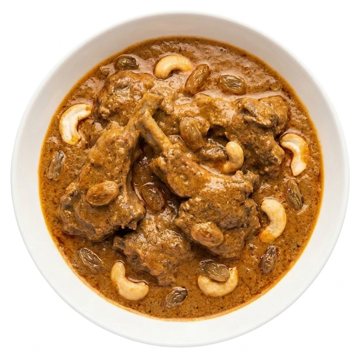
  • Different: Unlike this dish made with shaped lamb meatballs, it braises lamb ribs with milk, raisins, green cardamom, and cinnamon in a much heavier measure of mustard oil while omitting cumin seeds.
Kaliya
Lamb in Yoghurt Sauce (II)
Kaliya has a richer, buttery flavor with herbal freshness and sweet anise notes from fennel, whereas this dish has a sharper pungency from mustard oil and cumin.
  • Same: Kaliya also features lamb simmered in a yogurt-based sauce seasoned with Kashmiri garam masala, ground ginger, turmeric, cloves, asafoetida, and sugar.
  • Different: Instead of shaping minced lamb into meatballs and cooking with mustard and vegetable oils and cumin, Kaliya braises lamb pieces and root vegetables in ghee with fennel seeds, fresh ginger, and fresh coriander.
Rajasthani Maas Ki Kadhi
Creamy Tender Lamb Curry
Rajasthani Maas Ki Kadhi is creamy, tangy and mild with whole-spice warmth and a cumin finish, while this dish is rich and aromatic with a velvety yoghurt sauce, dry ginger notes and a savoury tang.
  • Same: Rajasthani Maas Ki Kadhi shares with this dish a lamb-and-yogurt curry base seasoned with cumin seed, clove, asafoetida, Kashmiri chilli powder and turmeric.
  • Different: Rajasthani Maas Ki Kadhi uses bone-in lamb leg, garlic, ghee, onion, green bird's-eye chilli and chickpea flour to thicken Greek yoghurt, while this dish uses minced lamb koftas, vegetable and mustard oils, plain yoghurt, dry ginger, aniseed, sugar and Kashmiri garam masala.