Indian cooking
Indian cooking / Dishes / Kabargah
Kabargah (Batter-fried Lamb Ribs)

Kabargah

Batter-fried Lamb Ribs
Non-vegetarian●●●Origin Jammu and KashmirPrep 1 hourCook 30 minutes

Tender lamb ribs are poached in spiced milk until succulent, then dipped in a seasoned batter and fried in ghee. The result is rich, tender meat encased in an aromatic, golden-crisp shell.

Poaching spices

12 gTied into a muslin pouch for simmering the meat (step 1)
02
3.6 g2 teaspoons
spice
03
0.3 g4 cloves
spice
04
5 g4 pieces
spice
05
2 g1 teaspoon
spice
Gather into a piece of muslin and tie securely with kitchen twine.

Batter spices

2.9 gStirred into the flour batter (step 3)
01
2.6 g1 teaspoon
spice
02
~0.3 gpinch
spice
Keep together to mix directly into the batter.

Everything else

01
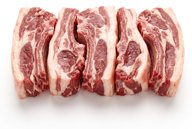
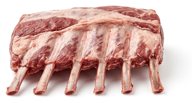
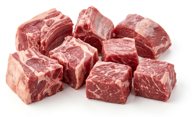
Lamb breast · Muttonwith 2 ribs each
1000 g10 pieces
meat
02
259 g250 ml
dairy
04
50 g5 tablespoons
flour
05
125 g
oil/fat
06
to taste
salt

Method

  1. Enclose the poaching spices in a small square of cheesecloth and bind it tightly with kitchen twine. Transfer the pouch to a deep, heavy pan along with 10 pieces lamb ribs (with 2 ribs each), 259 g milk, and 250 g water. Bring to a boil, then cook for around 30 minutes until the liquid has evaporated completely and the meat is tender.
  2. Whisk together 125 g gram flour and 5 tablespoons rice flour in a large bowl, gradually pouring in enough water to produce a light batter. Test the consistency by dropping a spoonful into a cup of water; it should float to the surface, but if it sinks, whisk the mixture vigorously and test again.
  3. Season the batter with salt to taste and whisk in the batter spices.
  4. Heat 125 g ghee in a large frying pan over medium heat. Coat the cooked ribs thoroughly in the batter, then fry for 3 to 4 minutes, turning until evenly golden brown and crisp. Lift out and drain on paper towels.

Don't have something?

Green cardamom pod
  • Green cardamom seed

    Use 35 to 40% of the total pod weight; lightly bruise the seeds before frying in oil to release their essential oils.

  • Ground green cardamom

    Use 20 to 25% of the pod weight (about 1 generous pinch per pod); stir in toward the end of cooking so the delicate floral notes do not dissipate.

  • White cardamom pod

    Use 1:1 by pod count or weight; crack gently before using, though it is slightly less intensely floral.

Ground ginger
  • Ginger paste

    Use 300% to 400% of the weight (e.g. 3–4 g paste for 1 g ground). Fry in oil alongside onions; provides a juicy, pungent kick rather than a dry, baking-spice heat.

  • Fresh ginger

    Peel and grate finely; use 300% to 400% of the weight. Add to the hot oil early; delivers bright, peppery warmth rather than the mellow, woody heat of dry ginger.

  • Ground mace

    Use 50% of the weight. Imparts a warm, spicy undertone in rich gravies, but lacks ginger's fiery, sharp zest.

Clove
  • Ground cloves

    Use 1 g ground for 4 g whole (or 1 small pinch per 2 to 3 whole cloves). Add with spice powders; disperses intense warmth quickly, so use with restraint.

  • Allspice berries

    Use 100% of the weight whole in tempering. Imparts a warm, clove-like aromatic profile combined with hints of nutmeg and cinnamon.

  • Black cardamom pod

    Use 1 pod for 3 to 4 cloves in whole tempering. Shares a camphor-like warmth and medicinal depth, though it introduces a distinct smoky undertone.

Cassia bark
  • Ceylon cinnamon

    True cinnamon: thinner, papery quills, milder and sweeter. Use about 1.5 times the weight, and taste.

  • Ground cinnamon (cassia)

    Use about a third of the weight (0.5 g ground for a 2.5 cm piece), stirred in with the ground spices rather than fried whole, since the powder burns quickly.

  • Cassia buds

    Use 60-70% of the weight; stronger and more peppery, so taste before adding more.

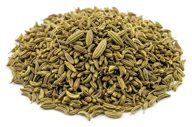
Fennel seed
  • Aniseed

    Use 75% of the weight. Fry in hot oil or ghee; has a sharper, more pronounced liquorice flavour, so use a lighter hand.

  • Ground fennel seed

    Use 60% of the weight. Stir into the sauce with ground masalas; provides identical sweet aniseed flavour without whole seed crunch.

  • Star anise

    Use one point (single carpel) per 1 g of fennel seeds. Simmer in gravies and remove before serving; gives a deeper, woodier liquorice aroma.

Lamb breast
  • Lamb shoulder

    Use the same weight; leaner, so add a little oil and cook 10–15 minutes longer.

  • Lamb ribs

    Use the same weight; fattier and bonier, so simmer 15–20 minutes longer and skim fat.

  • Lamb with fat

    Use the same weight; closest richness, but cut into even pieces for cooking.

Milk
  • Whole milk

    Use equal weight; provides the standard rich dairy fat and body expected in creamy Indian bases.

  • Single cream

    Dilute 3 parts cream with 1 part water to match the weight; yields a richer, glossier gravy that resists curdling.

  • Plain yogurt

    Whisk thoroughly and use equal weight; adds extra body and a mild pleasant acidity, best added off the heat.

Gram flour
  • Chickpea flour

    Use the same weight. Gram flour is chickpea flour, so this is an exact swap with the same nutty flavour and binding.

  • Plain flour

    Use about 75–80% of the weight, e.g. 80 g for 100 g gram flour, and add a pinch of turmeric for colour. Less nutty and less crisp; good only for thickening or simple batters.

  • Rice flour

    Use the same weight for crispness, but it does not bind like gram flour; mix with a little plain flour if making pakora batter.

Rice flour
  • Cornflour

    Use about 60–70% of the weight for thickening; for coatings use the same weight but the crust is denser.

  • Plain flour

    Use the same weight for coatings; contains gluten, browns faster and is less crisp.

  • Fine semolina

    Use the same weight for crisp coatings; coarser texture and needs a short rest.

Chilli powder
  • Red chilli powder

    Use 100% of the weight. Provides direct, sharp heat and red colour in equal measure.

  • Kashmiri chilli powder

    Use 150% to 200% of the weight if matching colour, but add a pinch of black pepper or hot chilli if you need equivalent fiery heat.

  • Cayenne pepper

    Use 75% to 100% of the weight. Offers a sharp, clean heat with slightly less earthy depth and less crimson colour.

Asafoetida
  • Garlic powder

    Use double the weight. Stir into hot oil just before adding wet ingredients; mimics the allium savoury background without the sulphurous edge.

  • Garlic paste

    Use 2 g for every 0.5 g of asafoetida. Sauté in oil until the raw smell clears; adds moisture and sweet allium depth.

Ghee
  • Unsalted butter

    Use 120% of the weight; melt gently over low heat to avoid burning the milk solids, which will yield a softer, creamier richness rather than a nutty aroma.


  • Vegetable oil

    Use 85% of the weight; holds high cooking temperatures without smoking, but the final dish will lack traditional dairy depth.

  • Mustard oil

    Use equal weight; heat to smoking point and cool slightly before cooking, bearing in mind it introduces an assertive, pungent edge.

Similar dishes

Darashahi Kaliya
Lamb Ribs in Sauce
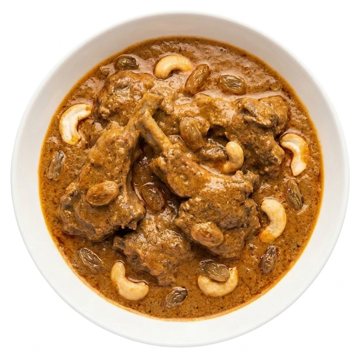
Darashahi Kaliya is saucy, tangy from yogurt, and subtly sweet from raisins, whereas this dish is crisp, dry, and richly buttery from the ghee.
  • Same: Darashahi Kaliya also uses lamb ribs cooked in milk with ginger, cinnamon, cloves, green cardamom, chilli powder, and asafoetida.
  • Different: Instead of being batter-fried in ghee with fennel, Darashahi Kaliya is braised into a curry using mustard oil, yogurt, turmeric, raisins, and Kashmiri garam masala.
Paye ki Yakhni
Goats' Leg Soup
Paye ki Yakhni is a light, savory, and gelatinous broth flavored primarily with sweet onions, lacking the milk richness, spicy heat, and crisp fried coating of this dish.
  • Same: Paye ki Yakhni shares ghee and an aromatic spice profile of green cardamom, cinnamon, clove, and fennel seed with this dish.
  • Different: Instead of poaching lamb ribs in milk and frying them in a seasoned batter, Paye ki Yakhni is a slow-simmered trotter soup made with browned onions and far less ghee, omitting the milk, chilli powder, ginger, and asafoetida.
Roghanjosh
Scarlet Rich Lamb Curry
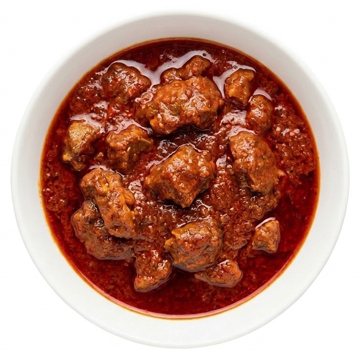
Roghanjosh is a tangy, glossy yogurt-braised curry, while this dish is richer and crisp-shelled from batter frying.
  • Same: Roghanjosh and this dish both use lamb with clove, cinnamon, asafoetida, chilli powder, and ginger.
  • Different: Roghanjosh braises lamb in yogurt with saffron, garam masala, and sugar, using ghee or oil, while this dish poaches lamb in milk then coats it in gram flour and rice flour batter and fries it in ghee.
Aab Gosht
Lamb in Milk Sauce (I)
Aab Gosht is a creamy, savory milk gravy with subtle fennel and pepper, while this dish is richer and crisp from its fried aromatic batter.
  • Same: Aab Gosht shares lamb, milk, ghee, ginger, green cardamom, cinnamon, clove, fennel, and salt with this dish, and both cook the lamb until tender in spiced milk.
  • Different: Aab Gosht lacks this dish’s gram flour and rice flour batter, chilli powder, asafoetida, and frying step, and instead adds garlic, boiled onion paste, black peppercorns, and much more milk and ghee for a slow braise.