Indian cooking
Indian cooking / Dishes / Jhingha Poha Pulao
Jhingha Poha Pulao (Prawn (Shrimp) Poha Paella)

Jhingha Poha Pulao

Prawn (Shrimp) Poha Paella
Non-vegetarianPrep 10 minutesCook 10–15 minutes

A vibrant Western Indian skillet meal of spiced prawns and sweet peas tumbled through tender flattened rice. Tempered with mustard seeds, toasted cumin, and curry leaves, it is light, aromatic, and finished with a sharp squeeze of lemon.

ground turmeric

4.5 gDivided between the prawn marinade (step 1) and the onions (step 3)
01
4.5 g1½ teaspoons
spice
Keep ground and ready to split between the two stages.

whole spices

13 gFried in the butter (step 2)
01
10 g1 tablespoon
spice
02
3.2 g1½ teaspoons
spice
Keep whole: they go into the hot butter together.

Everything else

01
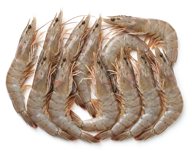
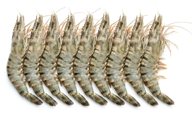
Large prawn · Jhingapeeled and deveined
900 g
seafood
02
25 g½ lemon
fruit
03
to taste
salt
04
56 g4 tablespoons
dairy
05
9 g36 leaves
herb
06
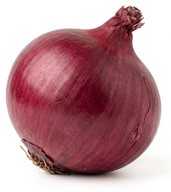
Red onion · Pyazquartered and thinly sliced crossways
300 g2 onions
vegetable
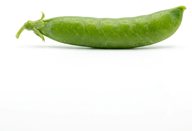
07
200 g
legume
08
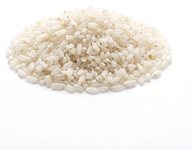
Thick flattened rice · Moti poharinsed in cold water and drained
326 g4 cups
grain
09
30 g
herb
10
Lemon · Nimbucut into wedges, to serve
25 g½ lemon
fruit

Method

  1. In a mixing bowl, toss 900 g prawns with the juice of 0.5 lemon, half of the ground turmeric (about 2 g), 0.25 teaspoon black pepper, and a generous pinch of salt. Leave to marinate while preparing the base.
  2. Place a wide wok or deep skillet over medium-high heat. Melt 4 tablespoon unsalted butter together with 9 g curry leaf and the whole spices. Fry for 2 to 3 minutes, stirring often, until the mustard seeds crackle and the cumin darkens.
  3. Tip in 2 sliced onions, the rest of the ground turmeric, and salt to taste. Sauté for roughly 5 minutes, stirring occasionally, until the onions turn soft and translucent.
  4. Stir in 200 g peas and cook for 2 minutes. Add the marinated prawns and toss through for 2 minutes until they just begin to curl and turn pink.
  5. Gently fold in 0.25 teaspoon cayenne pepper and 4 cup rinsed poha, tossing for 1½ minutes to combine. Drizzle 125 ml water around the inside rim of the pan, turn the heat down to medium-low, cover with a tight-fitting lid, and steam for 7 minutes.
  6. Uncover the pan and fluff the flattened rice gently with a fork. Check the seasoning, scatter over 30 g coriander, and serve hot with wedges cut from 0.5 lemon.

Don't have something?

Large prawn
  • King prawn

    Use the same weight; cooking time is the same. Peel and devein as needed.

  • Tiger prawn

    Use the same weight; same cooking time, but slit the back if very thick.

  • Small prawn

    Use the same weight; reduce cooking by 1–2 minutes so they do not toughen.

Lemon
  • Lime

    Use the same weight or juice amount; sharper, so taste before adding all the juice.

  • Lemon juice

    Use about 45–50 ml for 1 lemon; add off the heat to keep the freshness.

  • Dried mango powder

    Use 1 tsp for the juice of 1 lemon; add early. Sourness is flatter and less fresh.

Ground turmeric
  • Ground ginger

    Use 50% of the weight. Mimics turmeric's warm, earthy, rhizome background, but provides none of the golden-yellow colour.

  • Saffron

    Steep a tiny pinch (0.1 g per 2 g turmeric) in 2 tbsp warm water; use to match the rich golden hue. Contributes an aristocratic, honeyed floral flavour rather than earthy bitterness.

Cracked black peppercorn
  • Black peppercorn

    Use the same weight and crush coarsely with a pestle or mortar. Same heat and aroma.

  • Ground black pepper

    Use 75% of the weight. Finer and hotter; add later so it does not burn.

  • Black pepper

    Use the same weight, cracked fresh. Same spice, slightly less uniform texture.

Unsalted butter
  • Ghee

    Use 80% to 85% of the weight. Delivers rich dairy flavour without the milk solids or moisture; watch the heat as it cooks hotter.

  • Butter

    Use equal weight, but reduce the recipe's added salt by approximately 1.5% of the weight of butter used.

Curry leaf
  • Bay leaf

    Fry 1 bay leaf for every 5 curry leaves in hot oil; imparts a warm, woodsy background note, but misses the citrus-sulphury punch entirely.

  • Lime juice

    Add a small squeeze (about 5 ml per sprig of curry leaves) right before serving; provides sharp citrus top notes without the toasty, herbal aroma.

Mustard seed
  • Black mustard seed

    Use the same weight. The seeds are smaller and hotter; fry in hot oil until they pop, about 20–30 seconds, and reduce the heat if they darken too fast. The dish will be a little sharper.

  • Yellow mustard seeds

    Use the same weight. They are milder and larger; fry a few seconds longer until they pop. The finished dish will have less pungency.

  • Ground mustard seed

    Use 70% of the weight of whole seed, added with the other ground spices rather than fried whole. You lose the popping texture and the heat comes through more evenly.


Cumin seed
  • Ground cumin

    Use 70% of the weight; add with ground spices or sauce bases rather than hot oil tempering, where it scorches quickly and turns bitter.

  • Black cumin seeds

    Use equal weight for oil tempering. Delivers an earthy profile with an additional musky, smoky, and slightly bitter edge.

  • Fennel seed

    Use 60% of the weight for tempering; offers comparable warm aroma, but leans sweet and liquorice-like rather than savoury and earthy.

Red onion
  • Onion

    Use the same weight; cook a little longer. Milder and less sweet when raw.

  • Shallot

    Use the same weight; sweeter and softer, so reduce cooking time slightly.

  • Spring onion

    Use only the white parts, weight for weight, for raw or quick-cooked dishes; green parts are too grassy for long cooking.

Green pea
  • Pea

    Use 1:1 by weight; cook straight from fresh or frozen with identical timing and sweetness.

  • Chana dal

    Use 60% of the weight in dry dal; boil until tender yet firm before stirring in, lending a nuttier texture rather than sweet pop.

Thick flattened rice
  • Pressed rice

    Use the same weight; if it is thinner, rinse for only 5 seconds and drain, or it turns mushy.

  • Coarsely broken rice

    Use the same weight; soak in hot water for 10–15 minutes and drain. It is chewier and needs slightly longer cooking.

Cayenne pepper
  • Red chilli powder

    Use 70–75% of the weight; Indian chilli powders vary, so taste as you go. It gives similar heat but less clean brightness.

  • Kashmiri red chilli powder

    Use up to twice the weight for colour, but expect much less heat. Add a little ordinary chilli powder if heat matters.

  • Paprika

    Use 1.5–2 times the weight; it is mild and sweet. The dish will be redder but much less hot.

Coriander
  • Coriander leaf

    Use equal weight, chopped fresh and stirred in off the heat or used as garnish. Matches the citrus-herbal profile identically.

  • Mint

    Use 40% to 50% of the weight; chop finely and add at the very end. Adds fresh herbal brightness, but shifts the aroma toward cool menthol.

Similar dishes

Rechiado Prawns
Portuguese-style Spicy Fried Prawns (Shrimp)
Rechiado Prawns tastes significantly hotter and more pungent with warm spices than this light, lemon-scented skillet dish.
  • Same: Both dishes feature prawns seasoned with cumin seeds, turmeric, and salt.
  • Different: Rechiado Prawns drops the flattened rice, peas, butter, mustard seeds, and curry leaves, instead coating the prawns in a paste of dried red chillies, garlic, ginger, cloves, and cinnamon before pan-frying them in vegetable oil.
Teekhe Achari Jhinge Wale Luqme
Prawn (Shrimp) Balchao Bruschetta
It is considerably spicier, sweeter, and sharply acidic from vinegar compared to the lighter, earthy, and lemon-brightened flavor of this dish.
  • Same: Both dishes feature prawns cooked in unsalted butter with cumin seeds and fresh curry leaves.
  • Different: Teekhe Achari Jhinge Wale Luqme serves the prawns over toasted brioche in a vinegar, sugar, and dried red chilli reduction, omitting the flattened rice, peas, mustard seeds, turmeric, and lemon used in this dish.
Goan Prawn Balchao
Hot & Sour Prawn Pickle
It tastes hot, sour and faintly sweet with a rich oily texture, while this dish is light and aromatic with a sharp lemon finish.
  • Same: It shares prawns, onion, curry leaves, turmeric and cumin with this dish.
  • Different: It uses malt vinegar, jaggery, dried Kashmiri chilli, garlic, ginger, fish sauce and vegetable oil instead of butter, flattened rice, peas and lemon, and is cooked as an oily preserve.
Lemon Rice
Lemon Rice tastes tart and coconutty with green-chilli heat, while this dish tastes of prawns, butter, peas, and cumin.
  • Same: Lemon Rice shares mustard seeds, curry leaves, turmeric, lemon, and coriander with this dish.
  • Different: Lemon Rice uses rice and peanut oil instead of flattened rice and butter, and adds chana dal, green chilli, asafoetida, and coconut but lacks prawns, peas, red onion, cumin seed, black pepper, and cayenne.