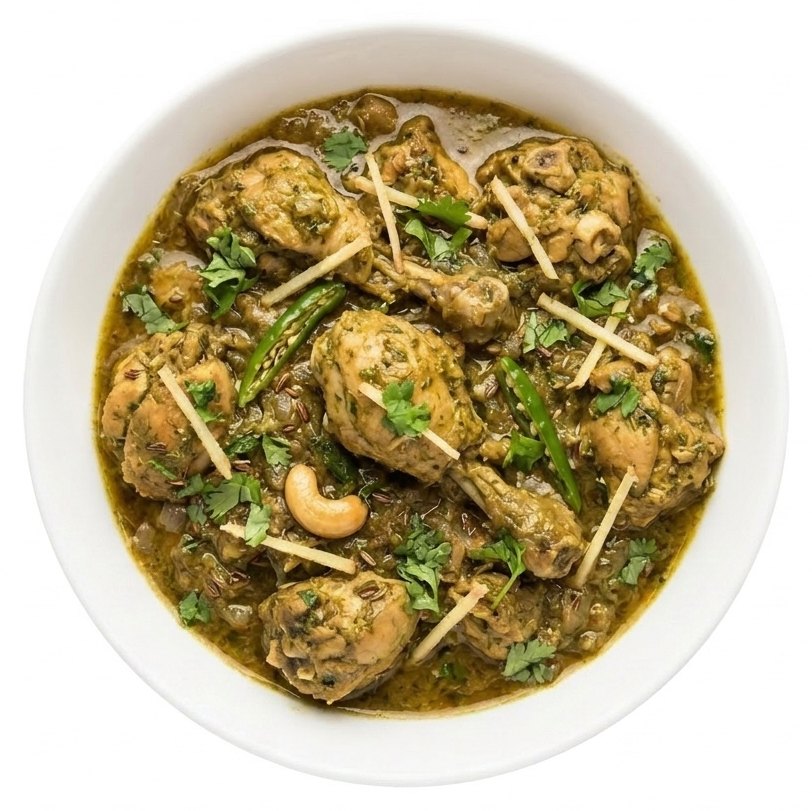
Haraa Masalewala Murgh
A green chicken curry made with a cashew, coriander and mint paste, softened onions, whole cumin and a fresh ginger finish. It tastes herbaceous and mildly hot, with lemon juice brightening the sauce.
Cumin seeds for the oil
2.1 gAdded to the hot oil before the onion (step 3)Everything else

Method
- Soak 60 g cashew nut in warm water to cover for 15–20 minutes.
- Drain the cashew nut and blend with 24 g garlic, 4 g green bird’s eye chilli, 60 g coriander leaves and stems, 40 g mint leaves and 50 ml water until smooth. Set aside.
- Heat 27 g vegetable oil in a heavy saucepan over medium heat. Add the cumin seeds for the oil and cook for 30 seconds.
- Add 150 g onion and 0.3 g granulated sugar. Fry for 12–15 minutes, stirring often, until the onion softens and turns deep golden-brown.
- Add 2 g green bird’s eye chilli and 7.5 g ginger. Fry for 1 minute.
- Add the cashew-herb paste and fry for 2 minutes, stirring and scraping the base of the pan.
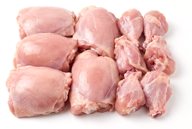
- Add 900 g chicken and stir to coat well. Fry for 2–3 minutes.
- Add 500 ml water and salt to taste. Bring to a boil, then simmer for 25 minutes, stirring once halfway, until the chicken is cooked through.
- Stir in 25 g lemon juice. Taste and adjust salt.
- Garnish with coriander leaves and 6 g fresh ginger cut into julienne strips.
Don't have something?


 Peanut oil
Use 1:1 by weight. Handles high-heat frying identically and introduces a very subtle, pleasant nuttiness.
 Ghee
Use 1:1 by weight. Yields a much richer, authentic aroma and a glossy, heavier mouthfeel.
 Mustard oil
Use 1:1 by weight. Heat until smoking, then cool slightly before cooking to temper its intensely pungent, sharp mustard kick.


 Ground cumin
Use 70% of the weight; add with ground spices or sauce bases rather than hot oil tempering, where it scorches quickly and turns bitter.
 Black cumin seeds
Use equal weight for oil tempering. Delivers an earthy profile with an additional musky, smoky, and slightly bitter edge.
 Fennel seed
Use 60% of the weight for tempering; offers comparable warm aroma, but leans sweet and liquorice-like rather than savoury and earthy.






 Jaggery
Use equal weight; grate or shave finely so it dissolves rapidly, giving a warm, caramel-like sweetness and slightly darker sauce.


- Bird's eye green chilli
Use the same weight; heat and flavour are very close.
 Green chilli
Use 1.5 to 2 times the weight; deseed for less heat. Larger chillies are more watery.
 Fresh green chilli
Use 1.5 to 2 times the weight; chop finely and adjust heat by tasting.


 Fresh ginger
Use equal weight; scrape off the skin and grate or finely julienne according to the recipe.
 Ginger paste
Use equal weight; stir straight into the sizzling aromatics, taking care as the extra moisture may spit.
 Ground ginger
Use 15 to 20% of the weight; add alongside ground spices, noting it imparts warm, dry heat rather than zesty freshness.


 Turkey thigh
Use 100% of the weight, cut into equivalent bone-in or boneless pieces. Simmer for an extra 5 to 10 minutes; flavour and texture are very similar.
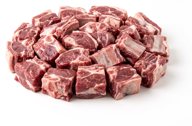 Lamb
Use 100% of the weight. Cut into bite-sized pieces and extend simmering time by 35 to 50 minutes, adding extra liquid to allow the meat to tenderise.


 Lime
Use the same weight or juice amount; sharper, so taste before adding all the juice.
 Lemon juice
Use about 45–50 ml for 1 lemon; add off the heat to keep the freshness.
 Dried mango powder
Use 1 tsp for the juice of 1 lemon; add early. Sourness is flatter and less fresh.


 Almond
Use 100% of the weight. Soak in boiling water and slip off skins before frying or grinding; gives a lighter, slightly less sweet richness to curries.
 Poppy seed
Use 60% of the weight for gravies. Soak in warm water and grind into a fine paste to thicken royal kormas without adding heavy oiliness.
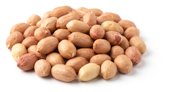 Shelled peanut
Use 100% of the weight. Roast, skin, and grind; creates a thicker, earthier texture typical of Maharashtrian and western Indian curries.



 Garlic paste
Use equal weight. Fry gently in oil or ghee with the ginger; incorporates smoothly into curries without visible minced bits.
 Garlic powder
Use 15% to 20% of the weight (about 1 g for every 5 to 6 g fresh cloves). Whisk into sauces; gives a savoury, toasted garlic flavour without raw pungency.
 Shallot
Use 1.5 times the weight, very finely minced. Sauté until golden; provides savoury allium sweetness, though it lacks garlic's pungent sulphur bite.


 Coriander (cilantro) or basil
Use the same weight, choosing the coriander element if available. If only basil is available, expect a sweeter, more aniseed flavour.
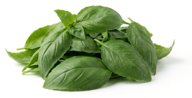 Basil leaves
Use the same weight. Basil is sweeter and more aromatic in a different way; add near the end so it keeps its perfume.
 Coriander paste
Use 1.5 times the weight and reduce other liquid slightly; it is less fresh and more concentrated, so taste before adding more.


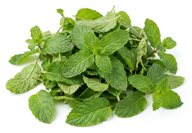
 Mint leaf
Use the same weight; identical herb, just the singular listing.
 Dried mint
Use 25% of the fresh weight, about 1 g dried for 4 g fresh; crush and add early so it softens.
- Coriander leaves
Use the same weight; it keeps the fresh green taste but loses the cooling mint aroma.


- Ginger paste
Use equal weight. Sauté in hot fat until the raw allium smell disappears; slightly wetter, but provides identical warmth and pungency.
- Ground ginger
Use 20% to 25% of the weight (1 g for every 4 to 5 g fresh). Stir into the gravy; adds peppery heat and warmth, though it misses the crisp, zesty kick of raw root.
Similar dishes

- Same: To Khan shares chicken, onion, green chilli and fresh ginger with this dish.
- Different: To Khan uses mustard oil and tomato and lacks cashew, coriander-leaf paste, fresh mint leaves, cumin seed and lemon; it simmers a thick onion-tomato sauce rather than a green cashew-coriander-mint paste.

- Same: Cha Sha and this dish are both chicken curries built on onion, ginger, garlic, vegetable oil, salt, and chilli heat.
- Different: Cha Sha uses ground turmeric and chilli powder in a broth-based slow braise, while this dish uses cumin seed, cashew nut, coriander and mint paste, and lemon juice.

- Same: It shares softened onions, whole cumin, ginger, garlic, green chilli and salt with this dish.
- Different: It uses ghee, yoghurt, green cardamom, bay leaf, dried red chilli and turmeric, and lacks this dish’s cashew-coriander-mint paste and lemon.

- Same: Bohri Chicken shares chicken, onion, ginger, garlic, mint and coriander with this dish, and both use a citrus juice.
- Different: Bohri Chicken adds double cream, ghee and a dough seal for slow braising, and it lacks this dish's cashew paste, whole cumin, green bird's eye chilli and vegetable oil.