
Phool Gobi
A fragrant dry curry of cauliflower florets coated in warm Kashmiri spices, fenugreek, and fresh coriander. It offers a tender bite with savoury, earthy, and gently sweetened undertones.
Tempering spices
6 gFried in the oil at the start (step 1)Ground spices
4.3 gTossed with the cauliflower (step 2)Everything else


Method
- Warm 114 g vegetable oil in a kadhai or heavy deep pan over medium heat. Flick a few drops of water into the oil, then tip in the tempering spices along with 12 g ginger (peeled and crushed), sizzling them for a brief few seconds.
- Tumble in 1 cauliflower (cut into 5-cm / 2-inch florets), season with salt to taste, and scatter over the ground spices, 1 teaspoon Garam Masala Kashmiri, and 4.2 g granulated sugar. Shake the pan vigorously to coat the vegetables in the spices.
- Pour in 2 tablespoons of water, drop the heat to low, and cook for 8 to 10 minutes until the florets are just tender.
- Scatter over 100 g coriander leaf and toss thoroughly to combine before taking the pan off the heat.
Don't have something?


 Peanut oil
Use 1:1 by weight. Handles high-heat frying identically and introduces a very subtle, pleasant nuttiness.
 Ghee
Use 1:1 by weight. Yields a much richer, authentic aroma and a glossy, heavier mouthfeel.
 Mustard oil
Use 1:1 by weight. Heat until smoking, then cool slightly before cooking to temper its intensely pungent, sharp mustard kick.


 Garlic powder
Use double the weight. Stir into hot oil just before adding wet ingredients; mimics the allium savoury background without the sulphurous edge.
 Garlic paste
Use 2 g for every 0.5 g of asafoetida. Sauté in oil until the raw smell clears; adds moisture and sweet allium depth.


 Ground cumin
Use 70% of the weight; add with ground spices or sauce bases rather than hot oil tempering, where it scorches quickly and turns bitter.
 Black cumin seeds
Use equal weight for oil tempering. Delivers an earthy profile with an additional musky, smoky, and slightly bitter edge.
 Fennel seed
Use 60% of the weight for tempering; offers comparable warm aroma, but leans sweet and liquorice-like rather than savoury and earthy.


 Mustard seed
Use 50% of the weight, crush or grind. Sharper heat and less maple-bitter; fry briefly in oil before adding.
 Caraway seeds
Use the same weight, crush lightly. Similar bitter-seed note but more aniseed; reduce other sweet spices slightly.
 Ajwain seeds
Use 25–30% of the weight, crush. Much stronger thyme-like flavour; do not overdo.


 Fresh ginger
Use equal weight; scrape off the skin and grate or finely julienne according to the recipe.
 Ginger paste
Use equal weight; stir straight into the sizzling aromatics, taking care as the extra moisture may spit.
 Ground ginger
Use 15 to 20% of the weight; add alongside ground spices, noting it imparts warm, dry heat rather than zesty freshness.


- Ginger paste
Use 300% to 400% of the weight (e.g. 3–4 g paste for 1 g ground). Fry in oil alongside onions; provides a juicy, pungent kick rather than a dry, baking-spice heat.
- Fresh ginger
Peel and grate finely; use 300% to 400% of the weight. Add to the hot oil early; delivers bright, peppery warmth rather than the mellow, woody heat of dry ginger.
 Ground mace
Use 50% of the weight. Imparts a warm, spicy undertone in rich gravies, but lacks ginger's fiery, sharp zest.


 Broccoli
Use the same weight; cut into similar florets and cook 2–3 minutes less. It is greener and slightly stronger in flavour.
 Cauliflower floret
Use the same weight and break into even florets. This is essentially the same vegetable, so cooking and flavour change little.
 Cabbage
Use the same weight; cut into wedges and cook 3–5 minutes less. It becomes much softer and sweeter, so the dish loses cauliflower's bite.


 Red chilli powder
Use 100% of the weight. Provides direct, sharp heat and red colour in equal measure.
 Kashmiri chilli powder
Use 150% to 200% of the weight if matching colour, but add a pinch of black pepper or hot chilli if you need equivalent fiery heat.
 Cayenne pepper
Use 75% to 100% of the weight. Offers a sharp, clean heat with slightly less earthy depth and less crimson colour.


 Kashmiri garam masala
Use the same weight when the recipe means the garam masala option; exact aromatic profile.
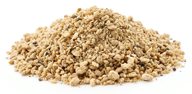 Ground dried lentil dumpling
Use the same weight. Gives savoury body and thickening but far less aroma.
 Garam masala
Use 70–80% of the weight. More pungent and warming; taste before adding extra salt.


 Jaggery
Use equal weight; grate or shave finely so it dissolves rapidly, giving a warm, caramel-like sweetness and slightly darker sauce.


- Ground ginger
Use 50% of the weight. Mimics turmeric's warm, earthy, rhizome background, but provides none of the golden-yellow colour.
 Saffron
Steep a tiny pinch (0.1 g per 2 g turmeric) in 2 tbsp warm water; use to match the rich golden hue. Contributes an aristocratic, honeyed floral flavour rather than earthy bitterness.


Similar dishes
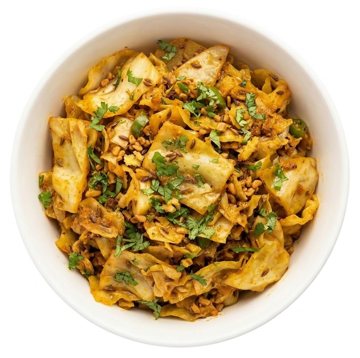
- Same: Karamkalla is also a dry vegetable stir-fry cooked in vegetable oil with identical amounts of cumin seed, fenugreek seed, asafoetida, ginger, turmeric, and sugar.
- Different: Karamkalla uses cabbage instead of cauliflower, adds fresh green chillies and ground coriander, doubles the chilli powder, and omits the Kashmiri garam masala and large bunch of fresh coriander leaf.

- Same: Tamil Cauliflower Milagu Peratu shares with this dish vegetable oil, cumin seed, ground turmeric, cauliflower, coriander leaf and salt, and both are dry cauliflower curries.
- Different: Tamil Cauliflower Milagu Peratu adds garlic, onion, tomato, water, white poppy seeds, curry leaves, cinnamon stick, fennel seed and black peppercorn, while this dish uses asafoetida, fenugreek seed, ginger, ground ginger, chilli powder, sugar and ground succh bari or Kashmiri garam masala.
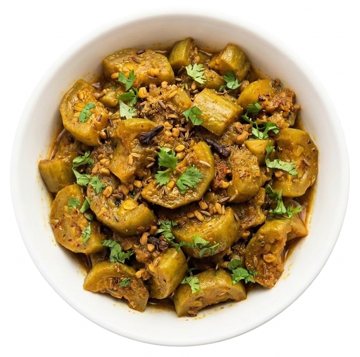
- Same: Torai is also a dry vegetable curry seasoned with fresh and dried ginger, cumin seeds, fenugreek seeds, asafoetida, turmeric, and chilli powder.
- Different: Torai braises snake gourd in its own juices and adds whole cloves and ground coriander, but it leaves out the sugar and Kashmiri garam masala used with the cauliflower in this dish.

- Same: Chatpati Gobi shares cauliflower, vegetable oil, cumin seed, fenugreek seed, ginger, chilli powder, and salt with this dish, and both are dry curries.
- Different: Chatpati Gobi adds potato, tomato, amchoor, chickpea flour, green chilli, black pepper, and pomegranate seed, while this dish uses asafoetida, turmeric, sugar, coriander leaf, ground ginger, and Kashmiri garam masala or succh bari.