
Gobi Kali Mirch
A dry, lightly spiced cauliflower stir-fry flavoured with toasted lentils and finished with pungent cracked black pepper.
Tempering seeds
8 gFried in hot oil at the start (step 1)Finishing pepper
3.4 gStirred in with the salt (step 3)Everything else

Method
- Warm 9 g vegetable oil in a broad, heavy pan over medium heat. Tip in the tempering seeds and fry for 1 minute until they crackle and pop.
- Add 6.4 g urad dal and sauté for 1 minute until golden. Stir in 500 g cauliflower florets along with a shallow splash of water just sufficient to steam the vegetables.
- Lower the heat and simmer gently for about 5 minutes, until the cauliflower is nearly tender. Season with salt to taste and stir through the finishing pepper.
- Take the pan off the heat, cover with a tight lid, and leave to rest undisturbed for 5 minutes before serving.
Don't have something?


 Peanut oil
Use 1:1 by weight. Handles high-heat frying identically and introduces a very subtle, pleasant nuttiness.
 Ghee
Use 1:1 by weight. Yields a much richer, authentic aroma and a glossy, heavier mouthfeel.
 Mustard oil
Use 1:1 by weight. Heat until smoking, then cool slightly before cooking to temper its intensely pungent, sharp mustard kick.


 Black mustard seed
Use the same weight. The seeds are smaller and hotter; fry in hot oil until they pop, about 20–30 seconds, and reduce the heat if they darken too fast. The dish will be a little sharper.
 Yellow mustard seeds
Use the same weight. They are milder and larger; fry a few seconds longer until they pop. The finished dish will have less pungency.
 Ground mustard seed
Use 70% of the weight of whole seed, added with the other ground spices rather than fried whole. You lose the popping texture and the heat comes through more evenly.


 Ground cumin
Use 70% of the weight; add with ground spices or sauce bases rather than hot oil tempering, where it scorches quickly and turns bitter.
 Black cumin seeds
Use equal weight for oil tempering. Delivers an earthy profile with an additional musky, smoky, and slightly bitter edge.
 Fennel seed
Use 60% of the weight for tempering; offers comparable warm aroma, but leans sweet and liquorice-like rather than savoury and earthy.


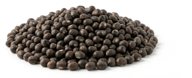 Whole black gram
Use equal weight. Needs longer soaking and cooking; the dark skins impart an earthy flavour and greyish-black hue unless thoroughly rubbed off.
 Chana dal
Use equal weight when tempering (tadka). Provides a comparable nutty, crunchy texture in hot oil, though grains are slightly larger.
 Split mung beans
Use equal weight for batters or dals. Ferments and cooks faster, producing a lighter, less sticky, and less viscous consistency.


 Broccoli
Use the same weight; cut into similar florets and cook 2–3 minutes less. It is greener and slightly stronger in flavour.
 Cauliflower floret
Use the same weight and break into even florets. This is essentially the same vegetable, so cooking and flavour change little.
 Cabbage
Use the same weight; cut into wedges and cook 3–5 minutes less. It becomes much softer and sweeter, so the dish loses cauliflower's bite.


 Black peppercorn
Use 1:1 by weight; pulverise in a spice mill or mortar to a fine powder for immediate, punchy heat.
 Coarsely ground black pepper
Use equal weight; offers the same bite, though it gives a visibly speckled finish and firmer crunch.


Similar dishes

- Same: Achari Gobi also features cauliflower cooked in vegetable oil with mustard and cumin seeds.
- Different: It adds garlic, nigella seeds, coriander seeds, and amchoor, but omits the urad dal and black pepper used in this dish.

- Same: Tamil Cauliflower Milagu Peratu shares cauliflower, vegetable oil, cumin seed, black pepper and salt with this dish, and both are dry cauliflower dishes.
- Different: Tamil Cauliflower Milagu Peratu adds garlic, onion, tomato, turmeric, curry leaves, fennel seed, cinnamon, white poppy seeds, water and coriander leaf, uses much more oil, and lacks this dish's mustard seed and toasted urad dal.

- Same: Both are dry cauliflower curries cooked in vegetable oil and seasoned with cumin seeds.
- Different: Phool Gobi uses substantially more oil along with fresh and dried ginger, fenugreek, Kashmiri garam masala, turmeric, sugar, and fresh coriander, while omitting the urad dal, mustard seeds, and cracked black pepper found in this dish.

- Same: Both are dry cauliflower preparations cooked in vegetable oil and seasoned with cumin seeds, black pepper, and salt.
- Different: Chatpati Gobi adds potatoes, tomatoes, ginger, green chillies, coriander, and amchoor, while omitting the mustard seeds and urad dal used in this dish.