Indian cooking
Indian cooking / Dishes / Aab Gosht
Aab Gosht (Lamb in Milk Sauce (I))

Aab Gosht

Lamb in Milk Sauce (I)
Non-vegetarian●●●Origin Jammu and KashmirPrep 30 minutesCook 2 hours

A Kashmiri specialty of lamb braised slowly in spiced, reduced milk and enriched stock. The dish is subtly fragrant with fennel and whole warming spices, yielding very tender meat in a creamy, savory gravy.

Poaching spice

3.6 gAdded with the lamb to parboil (step 1)
01
3.6 g2 teaspoons
spice
Leave ready to add directly to the poaching water.

Milk spices

1.1 gSimmered with the milk (step 2)
01
1.1–1.4 g6–8 pods
spice
Keep the pods whole to infuse into the milk.

Sauce spices

24 gStirred into the reduced milk (step 3)
02
6 g5 pieces
spice
03
0.3 g4 cloves
spice
04
9 g1 tablespoon
spice
Keep whole spices whole and combine with the ground fennel.

Everything else

01
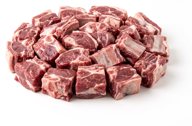
Lamb · Goshtcut into pieces
1000 g
meat
02
12–18 g4–6 cloves
aromatic
03
1034 g1 l
dairy
04
250 g
oil/fat
06
to taste
salt

Method

  1. Put 1000 g lamb, 12–18 g garlic, the poaching spice, and a pinch of salt into a large, heavy saucepan. Pour in enough cold water to fully cover the meat, bring to a boil, and simmer for roughly 5 minutes until the meat firms. Strain the meat, reserving the broth, and set both aside.
  2. Pour 1034 g milk into a separate pan and add the milk spices. Bring to a gentle boil and simmer for roughly 1 hour, stirring periodically to prevent scorching, until thickened and reduced to roughly three-quarters of its starting volume.
  3. Add 250 g ghee, 1 tablespoon boiled onion paste, and the sauce spices to the reduced milk, maintaining a steady boil.
  4. Transfer the parboiled lamb into the milk pan. Strain the reserved meat broth through a fine-mesh sieve or muslin cloth straight into the pan.
  5. Maintain a rolling boil for 5 minutes, then lower the heat and simmer gently for 1 to 1½ hours until the lamb is fully tender. Season to taste with salt before serving.

Don't have something?

Lamb
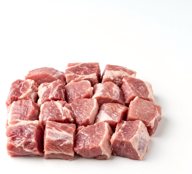
  • Pork

    Use equal weight of pork shoulder or collar; cut into identical cubes and braise, reducing cooking time by 15-20 minutes.

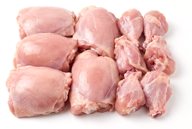
  • Chicken

    Use equal weight of bone-in chicken thighs; curry simmers in roughly 25 minutes instead of over an hour, with a much lighter sauce.

Garlic
  • Garlic paste

    Use equal weight. Fry gently in oil or ghee with the ginger; incorporates smoothly into curries without visible minced bits.

  • Garlic powder

    Use 15% to 20% of the weight (about 1 g for every 5 to 6 g fresh cloves). Whisk into sauces; gives a savoury, toasted garlic flavour without raw pungency.

  • Shallot

    Use 1.5 times the weight, very finely minced. Sauté until golden; provides savoury allium sweetness, though it lacks garlic's pungent sulphur bite.

Ground ginger
  • Ginger paste

    Use 300% to 400% of the weight (e.g. 3–4 g paste for 1 g ground). Fry in oil alongside onions; provides a juicy, pungent kick rather than a dry, baking-spice heat.

  • Fresh ginger

    Peel and grate finely; use 300% to 400% of the weight. Add to the hot oil early; delivers bright, peppery warmth rather than the mellow, woody heat of dry ginger.

  • Ground mace

    Use 50% of the weight. Imparts a warm, spicy undertone in rich gravies, but lacks ginger's fiery, sharp zest.

Milk
  • Whole milk

    Use equal weight; provides the standard rich dairy fat and body expected in creamy Indian bases.

  • Single cream

    Dilute 3 parts cream with 1 part water to match the weight; yields a richer, glossier gravy that resists curdling.

  • Plain yogurt

    Whisk thoroughly and use equal weight; adds extra body and a mild pleasant acidity, best added off the heat.

Green cardamom pod
  • Green cardamom seed

    Use 35 to 40% of the total pod weight; lightly bruise the seeds before frying in oil to release their essential oils.

  • Ground green cardamom

    Use 20 to 25% of the pod weight (about 1 generous pinch per pod); stir in toward the end of cooking so the delicate floral notes do not dissipate.

  • White cardamom pod

    Use 1:1 by pod count or weight; crack gently before using, though it is slightly less intensely floral.

Ghee
  • Unsalted butter

    Use 120% of the weight; melt gently over low heat to avoid burning the milk solids, which will yield a softer, creamier richness rather than a nutty aroma.

  • Vegetable oil

    Use 85% of the weight; holds high cooking temperatures without smoking, but the final dish will lack traditional dairy depth.

  • Mustard oil

    Use equal weight; heat to smoking point and cool slightly before cooking, bearing in mind it introduces an assertive, pungent edge.

Boiled onion paste
  • Onion paste

    Use the same weight, then simmer in a little water for 5–8 minutes and cool; raw paste is sharper and stronger.

  • Fried onion paste

    Use about 75% of the weight; it is sweeter, darker and stronger, so reduce salt and sugar slightly.

  • Boiled onion

    Use the same weight, boil until soft and blend; it is the same thing made fresh.

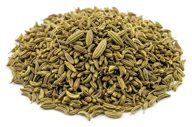
Ground fennel seed
  • Fennel seed

    Grind whole seeds finely; use equal weight (1:1). Provides a fresh, sweet, aniseed aroma that is slightly stronger than pre-ground powder.

  • Aniseed

    Grind finely; use 75% to 80% of the weight. Has a sharper, sweeter liquorice taste with less of fennel's herbal earthiness.

  • Star anise

    Grind whole star anise finely; use 30% to 40% of the weight. Very potent aniseed flavour that easily overpowers a dish if not used sparingly.

Cassia bark
  • Ceylon cinnamon

    True cinnamon: thinner, papery quills, milder and sweeter. Use about 1.5 times the weight, and taste.

  • Ground cinnamon (cassia)

    Use about a third of the weight (0.5 g ground for a 2.5 cm piece), stirred in with the ground spices rather than fried whole, since the powder burns quickly.

  • Cassia buds

    Use 60-70% of the weight; stronger and more peppery, so taste before adding more.

Clove
  • Ground cloves

    Use 1 g ground for 4 g whole (or 1 small pinch per 2 to 3 whole cloves). Add with spice powders; disperses intense warmth quickly, so use with restraint.

  • Allspice berries

    Use 100% of the weight whole in tempering. Imparts a warm, clove-like aromatic profile combined with hints of nutmeg and cinnamon.


  • Black cardamom pod

    Use 1 pod for 3 to 4 cloves in whole tempering. Shares a camphor-like warmth and medicinal depth, though it introduces a distinct smoky undertone.

Black peppercorn
  • Coarsely ground black pepper

    Use 75% of the weight. Add midway through simmering; spreads heat evenly through the dish instead of delivering isolated bursts.

  • Ground black pepper

    Use 50% of the weight. Stir in near the end of cooking; significantly darkens light gravies and provides an immediate, sharp bite.

Similar dishes

Kashmiri Qorma
Saffron-flavoured Lamb
Kashmiri Qorma has a sweet and tangy profile accented by saffron, whereas this dish tastes savory, creamy, and mildly peppery with strong notes of fennel.
  • Same: Both dishes slow-cook lamb in ghee with green cardamom pods, cinnamon sticks, and cloves.
  • Different: Kashmiri Qorma incorporates saffron, tamarind extract, sugar, and raisins, but omits the garlic, ginger, boiled onion paste, fennel, black peppercorns, and heavy milk reduction used in this dish.
Khare Masale ka Gosht
Lamb Cooked with Whole Spices
Khare Masale ka Gosht is tangier and more pungently spiced, lacking the creamy, anise-scented sweetness of this dish.
  • Same: Khare Masale ka Gosht also braises lamb in ghee with onions, garlic, ginger, cinnamon, cloves, green cardamom, and black peppercorns.
  • Different: Khare Masale ka Gosht builds its gravy on yogurt and tomatoes seasoned with coriander seeds, bay leaves, and black cardamom, rather than milk and ground fennel seed.
Meat Beliram
Punjabi Lamb Curry
Meat Beliram is tangier and more savory-spiced from the yogurt and chilli, whereas this dish is milder, creamier, and subtly sweet from the milk and fennel.
  • Same: Both dishes slow-cook a kilogram of lamb in ghee with green cardamom, cinnamon, cloves, ginger, and garlic.
  • Different: Meat Beliram uses yogurt, sliced onions, coriander seeds, and Kashmiri chilli powder instead of the milk, boiled onion paste, ground fennel, and black peppercorns used in this dish.
Dhaniwal Qorma
Coriander (Cilantro)-flavoured Lamb
Dhaniwal Qorma tastes tangy from yogurt and fresh coriander, whereas this dish is creamy and milky with fennel and whole warming spices.
  • Same: Dhaniwal Qorma shares lamb, ghee, ground ginger, ground fennel, black peppercorn and salt with this dish, and both are slow-braised.
  • Different: Dhaniwal Qorma uses yogurt as its souring agent plus 750 g onion and fresh coriander leaf, while this dish uses milk, boiled onion paste, green cardamom, cinnamon and clove and no yogurt.