
Bengali Kancha Lonka Murgi
A Bengali chicken curry built on a yoghurt marinade, a green chilli and coriander paste, and a light turmeric gravy. It tastes hot, herbal and aromatic, with a fresh lemon finish.
Marinade spice
1.3 gMixed into the yoghurt marinade (step 1)Whole spices for the oil
2.3 gAdded to the hot oil before the onion (step 6)Ground spices for the sauce
7 gAdded with the tomato purée after the onion base (step 9)Everything else


Method
- Mix 15 g greek yoghurt and 1.3 g garam masala in a large bowl.
- Add 600 g chicken on the bone, skinless and jointed, and turn to coat. Cover and chill for 2 hours or overnight.
- Blend 15 g garlic, 10 g ginger root and a splash of water to a smooth paste; set aside.
- Blend 12–14 g green bird’s-eye chilli, deseeded, 100 g coriander leaf and stem and about 45 ml water to a smooth paste; set aside.
- Heat 40.5 g vegetable oil in a heavy-based non-stick saucepan over medium heat.
- Add the whole spices for the oil (1 g bay leaf and 1.3 g cinnamon stick); when they sizzle, add 150 g white onion, finely chopped.
- Fry for 10 minutes, stirring so the onion colours evenly.
- Add the garlic-ginger paste and fry for 1 minute, stirring.
- Add 5.2 g tomato purée and the ground spices for the sauce (1.5 g ground turmeric and 5.4 g ground coriander); fry for 1 minute.
- Add the marinated chicken with its yoghurt coating and stir well. Fry for 6–7 minutes, until sealed and coated in the masala.
- Season to taste with salt. Reduce the heat to low, cover and cook for 25 minutes, stirring twice and scraping the base.
- Add the chilli-coriander paste and about 45 ml water; simmer for 5 minutes.
- Stir in the juice of 25 g lemon.
Don't have something?


 Hung natural yoghurt
Use the same weight and whisk smooth; same thick consistency.
 Full-fat natural yoghurt
Use 1.25 times the weight and strain through muslin for 30 minutes; looser if not strained.
 Hung yogurt
Use the same weight; virtually identical.


 Ground cumin
Use 50% of the weight mixed with equal parts ground coriander and a pinch of ground cinnamon, ground cloves, and ground green cardamom. Sprinkle near the end for a warming finish.
 Lentil stew spice mix
Use 75% of the weight. Simmer briefly in the gravy; imparts roasted warmth and complexity, though it adds a slight tang and earthy lentil undertone.


 Bone-in chicken
Use the same weight. It is the same thing; adjust pieces so they cook evenly and simmer until the meat is tender at the bone.
 Skinless chicken on the bone
Use the same weight. It is leaner and less rich; brown it a little more carefully and add 5 minutes to the simmer if the pieces are large.
 Bone-in chicken thigh and drumstick
Use the same weight. Thigh and drumstick are juicier and cook slightly faster than breast on the bone; check after 20–25 minutes.



 Garlic paste
Use equal weight. Fry gently in oil or ghee with the ginger; incorporates smoothly into curries without visible minced bits.
 Garlic powder
Use 15% to 20% of the weight (about 1 g for every 5 to 6 g fresh cloves). Whisk into sauces; gives a savoury, toasted garlic flavour without raw pungency.
 Shallot
Use 1.5 times the weight, very finely minced. Sauté until golden; provides savoury allium sweetness, though it lacks garlic's pungent sulphur bite.


 Ginger paste
Use equal weight. Sauté in hot fat until the raw allium smell disappears; slightly wetter, but provides identical warmth and pungency.
 Ground ginger
Use 20% to 25% of the weight (1 g for every 4 to 5 g fresh). Stir into the gravy; adds peppery heat and warmth, though it misses the crisp, zesty kick of raw root.


- Bird's eye green chilli
Use the same weight; heat and flavour are very close.
 Green chilli
Use 1.5 to 2 times the weight; deseed for less heat. Larger chillies are more watery.
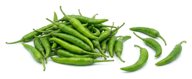 Fresh green chilli
Use 1.5 to 2 times the weight; chop finely and adjust heat by tasting.


 Coriander (cilantro) or basil
Use the same weight, choosing the coriander element if available. If only basil is available, expect a sweeter, more aniseed flavour.
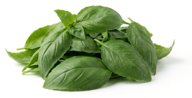 Basil leaves
Use the same weight. Basil is sweeter and more aromatic in a different way; add near the end so it keeps its perfume.
 Coriander paste
Use 1.5 times the weight and reduce other liquid slightly; it is less fresh and more concentrated, so taste before adding more.


 Peanut oil
Use 1:1 by weight. Handles high-heat frying identically and introduces a very subtle, pleasant nuttiness.
 Ghee
Use 1:1 by weight. Yields a much richer, authentic aroma and a glossy, heavier mouthfeel.
 Mustard oil
Use 1:1 by weight. Heat until smoking, then cool slightly before cooking to temper its intensely pungent, sharp mustard kick.


 Cinnamon stick
Use a 2 cm piece (about 1 g) for every 1 to 2 bay leaves. Fry in whole-spice temperings; provides the cassia-like warmth typical of Indian tejpatta.
 Ground cinnamon (cassia)
Use 0.5 g per leaf. Stir into the sauce during simmering; gives the same warm woodiness but darkens the colour slightly.

 Ceylon cinnamon
True cinnamon: thinner, papery quills, milder and sweeter. Use about 1.5 times the weight, and taste.
- Ground cinnamon (cassia)
Use about a third of the weight (0.5 g ground for a 2.5 cm piece), stirred in with the ground spices rather than fried whole, since the powder burns quickly.
 Cassia buds
Use 60-70% of the weight; stronger and more peppery, so taste before adding more.


 Brown onion
Use the same weight; it is the closest everyday match, with a slightly deeper sweetness when fried.
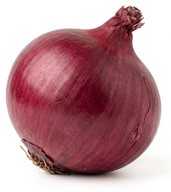 Red onion
Use the same weight; it is sharper and will tint the dish pink, so cook a little longer for sweetness.
- Shallot
Use the same weight; it is milder and sweeter, so reduce frying time slightly to avoid burning.

 Tomato
Use 200% to 250% of the weight. Finely grate or blend fresh tomatoes, then cook them down until the moisture evaporates and the oil separates.


- Ground ginger
Use 50% of the weight. Mimics turmeric's warm, earthy, rhizome background, but provides none of the golden-yellow colour.
 Saffron
Steep a tiny pinch (0.1 g per 2 g turmeric) in 2 tbsp warm water; use to match the rich golden hue. Contributes an aristocratic, honeyed floral flavour rather than earthy bitterness.


 Coriander seeds
Dry-roast lightly in a pan and grind to a fine powder; use equal weight (1:1). Offers a noticeably fresher, brighter citrus note.
- Ground cumin
Use 50% to 75% of the weight. Lacks the floral, citrusy profile of coriander and turns the gravy heavier, earthier, and darker.
- Garam masala
Use 50% of the weight and stir in near the end of cooking. Adds warmth and depth since it contains ground coriander, but introduces stronger spices like clove and cinnamon.


 Lime
Use the same weight or juice amount; sharper, so taste before adding all the juice.
 Lemon juice
Use about 45–50 ml for 1 lemon; add off the heat to keep the freshness.
 Dried mango powder
Use 1 tsp for the juice of 1 lemon; add early. Sourness is flatter and less fresh.


Similar dishes

- Same: Palak Murgh shares with this dish a chicken curry built on a yoghurt marinade, vegetable oil, onion, tomato purée, garlic, ginger, green chilli, turmeric, ground coriander, garam masala, bay leaf and cinnamon.
- Different: Palak Murgh adds 400 g spinach, cumin seed, green cardamom and Kashmiri chilli powder, uses more yoghurt and onion, and has no lemon or large green-chilli and coriander paste like this dish.

- Same: Kadhai Chicken Chargha shares bone-in chicken, yoghurt, garlic, ginger, vegetable oil, turmeric, ground coriander, garam masala and coriander leaves with this dish.
- Different: Kadhai Chicken Chargha has dried red chillies and cumin seed but lacks this dish's fresh green chilli, lemon, onion, tomato purée, bay leaf and cinnamon, and it cooks in flavoured oil rather than a green chilli-coriander paste and light turmeric gravy.

- Same: Anardana Murgh and this dish both use chicken, white onion, garlic, ginger, green bird's-eye chilli, ground coriander, garam masala, vegetable oil and salt.
- Different: Anardana Murgh uses chicken thigh and pomegranate powder as its souring agent, with Kashmiri chilli powder and water or stock, while this dish uses bone-in chicken, yoghurt, lemon, turmeric, bay leaf, cinnamon, tomato purée and a green chilli and coriander paste.

- Same: Haryali Murgh Tikka shares yoghurt, green bird's-eye chilli, coriander, garlic, ginger, turmeric and garam masala with this dish.
- Different: Haryali Murgh Tikka uses chicken thigh, mint, lime, green bell pepper, butter and chaat masala, and it is grilled as skewers rather than cooked as a turmeric gravy with onion, tomato purée, bay leaf, cinnamon and lemon.