Indian cooking
Indian cooking / Dishes / Gushtaba
Gushtaba (Pounded Meatballs in Light Cardamom Sauce)

Gushtaba

Pounded Meatballs in Light Cardamom Sauce
Non-vegetarian●●●Origin Jammu and KashmirPrep 1 hourCook 40 minutes

A classic Kashmiri specialty of velvety, finely pounded meatballs poached in a fragrant, gently spiced yogurt broth perfumed with green and black cardamom. The meatballs have a uniquely light, spongy texture that absorbs the subtle tang and richness of the sauce.

Meatball spices

6 gPounded into the meat paste (step 1)
01
~0.3 g1 pinch
spice
Combine together ready to incorporate into the meat.

Sauce spices

21 gAdded to the boiling yogurt broth (step 4)
03
0.4 g6 cloves
spice
05
5 g3 teaspoons
spice
Mix the whole pods and ground spices together in a small bowl.

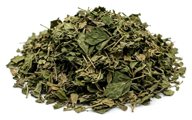
Mint garnish

0.2 gSprinkled over the finished curry (step 6)
01
0.2 g½ teaspoon
herb
Rub between your fingertips to crush lightly.

Everything else

01
Boneless lamb · Muttoncut into 5-cm / 2-inch pieces
1000 g
meat
02
Gheeplus extra for meatballs
125 g
oil/fat
03
~0.3 g1 pinch
salt
04
1217 g1.2 l
dairy
06
45 g3 tablespoons
liquid
07
to taste
salt

Method

  1. Place 1000 g meat on a heavy board and pound thoroughly with a wooden mallet, or transfer to a food processor and pulse. Gradually work in a few splashes of ghee, 0.3 g salt and the meatball spices until the mixture forms a completely smooth, silken emulsion.
  2. Wet your hands with cold water and roll the paste into round meatballs about 4 cm (1½ inches) in diameter.
  3. Bring a large pan of water to a rolling boil. Lower the meatballs into the boiling water with a slotted spoon and cook for 5 minutes, turning them gently so they firm up evenly. Remove with the slotted spoon and drain.
  4. In a wide, heavy-based pot, combine 1217 g plain yogurt, 125 g ghee, 1000 g stock and the poached meatballs. Set over high heat and bring to a rapid boil, then stir in the sauce spices. Cover with a tight-fitting lid and boil briskly for 10 to 12 minutes.
  5. Uncover the pan and add 3 tablespoon garlic water along with salt to taste. Continue boiling for another 10 minutes, topping up with hot water if the liquid reduces too much, keeping the sauce fluid and soup-like.
  6. Stir in 1 tablespoon fried onion paste. Simmer for 10 to 15 minutes more until the sauce reduces to a light gravy and the meatballs are tender and springy to the touch. Scatter the mint garnish over the surface just before taking off the heat.

Don't have something?

Boneless lamb
  • Boneless lamb shoulder

    Use same weight; shoulder is well marbled and best for slow curry, with similar cooking time.

  • Boneless leg of lamb

    Use same weight; leg is leaner, so simmer 10 minutes less to avoid dryness.

  • Boneless lamb fillet

    Use same weight but simmer 15–20 minutes less; fillet is tender and cooks quickly.

Ghee
  • Unsalted butter

    Use 120% of the weight; melt gently over low heat to avoid burning the milk solids, which will yield a softer, creamier richness rather than a nutty aroma.

  • Vegetable oil

    Use 85% of the weight; holds high cooking temperatures without smoking, but the final dish will lack traditional dairy depth.

  • Mustard oil

    Use equal weight; heat to smoking point and cool slightly before cooking, bearing in mind it introduces an assertive, pungent edge.

Ground ginger
  • Ginger paste

    Use 300% to 400% of the weight (e.g. 3–4 g paste for 1 g ground). Fry in oil alongside onions; provides a juicy, pungent kick rather than a dry, baking-spice heat.

  • Fresh ginger

    Peel and grate finely; use 300% to 400% of the weight. Add to the hot oil early; delivers bright, peppery warmth rather than the mellow, woody heat of dry ginger.

  • Ground mace

    Use 50% of the weight. Imparts a warm, spicy undertone in rich gravies, but lacks ginger's fiery, sharp zest.

Black cardamom pod
  • Ground black cardamom

    Use 0.5 g of ground seeds for each whole pod. Stir directly into the curry base; delivers identical smoky flavour without woody husks.

  • Green cardamom pod

    Use equal pod count or weight. Crack slightly and fry whole; tastes sweet, menthol-fresh, and floral rather than dark and smoky.

Plain yogurt
  • Yogurt

    Use equal weight, whisked thoroughly until smooth before adding to hot dishes to prevent curdling.

  • Coconut milk

    Use equal weight with 1 teaspoon lemon juice mixed in. Provides rich creaminess in curries, but adds a noticeable coconut flavour.

  • Single cream

    Use 80% of the weight plus a squeeze of lemon juice for acidity. Enriches sauces nicely, though it is richer and less tangy.

Lamb stock
  • Chicken stock

    Use the same weight; lighter and less lamby. Reduce it slightly for more body.

  • Vegetable stock

    Use the same weight; vegetarian and lighter. Add a little ghee for richness.

  • Water

    Use the same weight; add extra salt and spices. Much thinner, so reduce other liquid.

Green cardamom pod
  • Green cardamom seed

    Use 35 to 40% of the total pod weight; lightly bruise the seeds before frying in oil to release their essential oils.

  • Ground green cardamom

    Use 20 to 25% of the pod weight (about 1 generous pinch per pod); stir in toward the end of cooking so the delicate floral notes do not dissipate.

  • White cardamom pod

    Use 1:1 by pod count or weight; crack gently before using, though it is slightly less intensely floral.

Clove
  • Ground cloves

    Use 1 g ground for 4 g whole (or 1 small pinch per 2 to 3 whole cloves). Add with spice powders; disperses intense warmth quickly, so use with restraint.

  • Allspice berries

    Use 100% of the weight whole in tempering. Imparts a warm, clove-like aromatic profile combined with hints of nutmeg and cinnamon.

  • Black cardamom pod

    Use 1 pod for 3 to 4 cloves in whole tempering. Shares a camphor-like warmth and medicinal depth, though it introduces a distinct smoky undertone.

Ground fennel seed
  • Fennel seed

    Grind whole seeds finely; use equal weight (1:1). Provides a fresh, sweet, aniseed aroma that is slightly stronger than pre-ground powder.

  • Aniseed

    Grind finely; use 75% to 80% of the weight. Has a sharper, sweeter liquorice taste with less of fennel's herbal earthiness.

  • Star anise

    Grind whole star anise finely; use 30% to 40% of the weight. Very potent aniseed flavour that easily overpowers a dish if not used sparingly.

Garlic water
  • Water

    For 100 g garlic water, steep 5 g crushed garlic in 100 g water for 10 minutes and strain; use the same weight.

  • Garlic paste

    Thin 5 g garlic paste with 95 g water for 100 g garlic water; strain if the recipe needs a clear liquid.

Fried onion paste
  • Fried onions

    Blend the same weight with 1–2 tablespoons water to a smooth paste; add only enough water to grind.

  • Onion paste

    Fry the same weight in oil until deep golden, then mash or blend; cook a little longer to remove the raw taste.

  • Boiled onion paste

    Fry the same weight in oil until golden before use; it will be wetter, so cook until the oil separates.

Dried mint
  • Mint

    Use 3 to 4 times the weight, finely chopped. Stir in towards the very end of cooking; provides a fresher, brighter herbal lift rather than deep, concentrated menthol.

  • Dried fenugreek leaves

    Use equal weight, crushed between your palms. Offers savoury, earthy bitterness rather than cooling mint, but works nicely in marinades and rich gravies.


Similar dishes

Rista
Pounded Meatballs in Piquant Sauce
Rista tastes more piquant and chilli-hot with mawal tang and cinnamon warmth, while this dish is a lighter yogurt-cardamom broth.
  • Same: Rista shares pounded lamb meatballs, ghee, black cardamom, ground ginger and fennel with this dish.
  • Different: Rista uses mawal extract, chilli powder, cinnamon and boiled onion paste, and it lacks this dish's yogurt, lamb stock, green cardamom, clove, dried mint, garlic water and fried onion paste.
Martswangan Qorma
Chilli-flavoured Hot Lamb in Sauce
Martswangan Qorma is intensely hot, earthy, and pungent from dried chillies and spices, whereas this dish is rich, mild, tangy, and cooling with cardamom and mint.
  • Same: Both Kashmiri lamb preparations are cooked in a yogurt-enriched gravy seasoned with ground fennel, ground ginger, green cardamom, and cloves.
  • Different: Martswangan Qorma uses whole cuts of lamb shoulder stewed with dried red chillies, cinnamon, cumin, and cockscomb flower extract, rather than finely pounded meatballs poached in a large volume of yogurt, ghee, black cardamom, and dried mint.
Yakhni
Aromatic Lamb in a Tasty Sauce
Yakhni tastes earthier and more pungent from the garlic, turmeric, and chilli, lacking the sweet anise note of fennel and the pronounced yogurt tang of this dish.
  • Same: Yakhni shares a yogurt- and ghee-based sauce seasoned with green cardamom, black cardamom, cloves, ground ginger, and dried mint.
  • Different: Instead of pounded meatballs and fried onion paste, Yakhni braises pieces of lamb using boiled onion paste, garlic, turmeric, black cumin, and Kashmiri chilli powder while omitting fennel seed.
Aab Gosht
Lamb in Milk Sauce (I)
Aab Gosht tastes sweeter, richer, and mildly peppery, lacking the tart acidity that yogurt and dried mint bring to this dish.
  • Same: Aab Gosht shares a rich dairy-based sauce cooked in ghee and seasoned with ground fennel, ground ginger, cloves, and green cardamom.
  • Different: Instead of pounded meatballs poached in a yogurt sauce with black cardamom and dried mint, Aab Gosht braises whole lamb pieces in reduced milk with garlic, cinnamon, and black peppercorns.