Indian cooking
Indian cooking / Dishes / Tabak Maaz
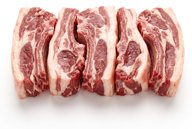
Tabak Maaz (Deep-fried Spare Ribs)

Tabak Maaz

Deep-fried Spare Ribs
Non-vegetarian●●●Origin Jammu and KashmirPrep 1½ hoursCook 45 minutes

Tender ribs are twice-simmered in aromatic broths until meltingly soft, then slowly fried in ghee until deep brown and shatteringly crisp on the outside.

First simmer paste

31 gStirred into the parboiled meat (step 2)
Keep ready to stir directly into the broth.

Second simmer spices

37 gAdded to the reserved rinsing broth (step 4)
01
3.6 g2 teaspoons
spice
02
0.6–0.7 g8–10 cloves
spice
03
15–19 g8–10 pods
spice
04
18 g2 tablespoons
spice
Combine the whole pods and cloves together with the powdered spices.

Everything else

Method

  1. Submerge 1000 g spare ribs in a large pot of water and bring to a boil. Skim off all surface impurities as they rise, simmering for about 30 minutes until the broth runs clear and the meat is halfway cooked.
  2. Stir in the first simmer paste and boil uncovered for 15 minutes. Add salt to taste, cover the pot, and cook for another 15 minutes until the intercostal tissue yields easily to fingertip pressure.
  3. Discard the cooking liquid and let the meat cool slightly. Rinse the ribs thoroughly, reserving this rinsing liquid, then portion the meat into 8 rectangular segments.
  4. Transfer the reserved rinsing liquid to a wide pot and bring to a rolling boil. Add the cut ribs, the second simmer spices, and salt to taste, then simmer until the bones can slide easily away from the meat. Lift the ribs out with a slotted spoon.
  5. Place the ribs in a single layer in a large skillet and pour in 456 g vegetable oil or ghee. Fry over gentle heat for around 45 minutes, turning occasionally, until richly crisped and evenly browned on all sides, then drain off the excess fat before serving.

Don't have something?

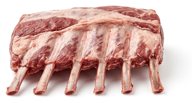
Lamb ribs
  • Lamb rib chop

    Use the same weight; much meatier and faster. Reduce cooking by 20–30 minutes.

  • Lamb breast

    Use the same weight; fattier and bonier. Skim fat and allow 10 minutes longer.

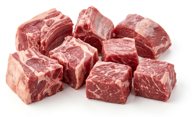
  • Lamb with fat

    Use the same weight; cut into pieces. Similar richness but no bone.

Garlic paste
  • Garlic

    Use equal weight; crush or finely grate to a smooth pulp to replicate the same fresh, pungent moisture in your base gravy.

  • Garlic powder

    Use 20 to 25% of the weight; mix with a teaspoon of water before adding to oil so it does not burn, noting it lacks the fresh bite.

Ground ginger
  • Ginger paste

    Use 300% to 400% of the weight (e.g. 3–4 g paste for 1 g ground). Fry in oil alongside onions; provides a juicy, pungent kick rather than a dry, baking-spice heat.

  • Fresh ginger

    Peel and grate finely; use 300% to 400% of the weight. Add to the hot oil early; delivers bright, peppery warmth rather than the mellow, woody heat of dry ginger.

  • Ground mace

    Use 50% of the weight. Imparts a warm, spicy undertone in rich gravies, but lacks ginger's fiery, sharp zest.

Clove
  • Ground cloves

    Use 1 g ground for 4 g whole (or 1 small pinch per 2 to 3 whole cloves). Add with spice powders; disperses intense warmth quickly, so use with restraint.

  • Allspice berries

    Use 100% of the weight whole in tempering. Imparts a warm, clove-like aromatic profile combined with hints of nutmeg and cinnamon.

  • Black cardamom pod

    Use 1 pod for 3 to 4 cloves in whole tempering. Shares a camphor-like warmth and medicinal depth, though it introduces a distinct smoky undertone.

Black cardamom pod
  • Ground black cardamom

    Use 0.5 g of ground seeds for each whole pod. Stir directly into the curry base; delivers identical smoky flavour without woody husks.

  • Green cardamom pod

    Use equal pod count or weight. Crack slightly and fry whole; tastes sweet, menthol-fresh, and floral rather than dark and smoky.

Ground turmeric
  • Ground ginger

    Use 50% of the weight. Mimics turmeric's warm, earthy, rhizome background, but provides none of the golden-yellow colour.

  • Saffron

    Steep a tiny pinch (0.1 g per 2 g turmeric) in 2 tbsp warm water; use to match the rich golden hue. Contributes an aristocratic, honeyed floral flavour rather than earthy bitterness.


Ghee or vegetable oil
  • Peanut oil

    Use equal weight; handles high tempering heat well and keeps flavours neutral.

  • Butter

    Use equal weight; cook over gentle heat to prevent browning the milk solids too quickly.

Similar dishes

Yakhni
Aromatic Lamb in a Tasty Sauce
Yakhni tastes tangy, creamy, and herbal from the yogurt and mint, whereas this dish is rich, savory, and heavily fried.
  • Same: Yakhni shares a base of lamb cooked with ghee, garlic, turmeric, ground ginger, cloves, and black cardamom with this dish.
  • Different: Instead of boiling and deep-frying ribs to a dry crisp, Yakhni braises meat in a yogurt and boiled onion gravy seasoned with green cardamom, black cumin, Kashmiri chilli, and dried mint.
Nahari
Morning Delight
Nahari tastes savoury and warmly spiced with a tangy yogurt note and velvety gravy, while this dish tastes rich and crisp from ghee frying.
  • Same: Nahari shares lamb, black cardamom, clove, turmeric, garlic and ginger with this dish, and both are slow-cooked aromatic lamb preparations.
  • Different: Nahari is a yogurt and lamb-stock stew thickened with chickpea flour and uses mustard oil, while this dish uses ribs, ghee or vegetable oil, and a twice-simmered then deep-fried method.
Gushtaba
Pounded Meatballs in Light Cardamom Sauce
Gushtaba tastes tangy from yogurt and softly aromatic from cardamom and fennel, with light spongy meatballs, while this dish tastes rich and crisp from fried ribs and has no yogurt sauce.
  • Same: Gushtaba shares lamb, black cardamom, clove, ginger, garlic and salt with this dish.
  • Different: Gushtaba uses boneless pounded lamb formed into meatballs and poached in a yogurt-lamb stock sauce with fennel, green cardamom, dried mint and fried onion paste, while this dish uses lamb ribs simmered then fried in ghee with turmeric and garlic paste.
Mirchiwala Gosht
Peppery Lamb Curry
Mirchiwala Gosht is significantly spicier and tangier than this mild, rich, and crisp dish.
  • Same: Mirchiwala Gosht also uses meat cooked with ghee, garlic paste, ground ginger, turmeric, cloves, and black cardamom.
  • Different: Instead of twice-simmering and deep-frying meat without vegetables, Mirchiwala Gosht is slow-simmered into a curry with onions, yogurt, coriander, cumin, cinnamon, and multiple types of chillies.