Indian cooking
Indian cooking / Dishes / Veerakkaikura
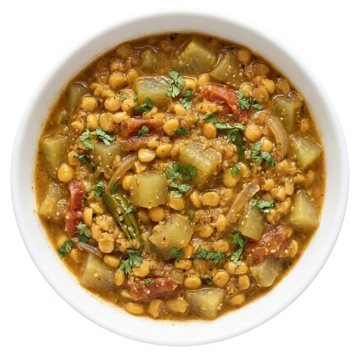
Veerakkaikura (Ribbed Gourd with Chana Dal)

Veerakkaikura

Ribbed Gourd with Chana Dal
Vegetarian●●●Origin Tamil NaduPrep 40 minutes, plus cooling timeCook 10–15 minutes

A comforting South Indian vegetable curry combining tender ribbed gourd and yellow lentils in a fragrant, spiced tomato base finished with a classic mustard-seed tempering.

ground spices

3.1 gBloomed in the oil with garlic (step 3)
01
0.7 g¼ teaspoon
spice
02
0.9 g½ teaspoon
spice
03
0.8 g¼ teaspoon
spice
04
0.7 g¼ teaspoon
spice
Stir together thoroughly.

tempering spices

3.6 gFried for the finishing tadka (step 5)
02
1.6 g½ teaspoon
spice
Keep whole: they go into the hot oil together.

Everything else

01
Chana dalrinsed and drained
25 g2 tablespoons
legume
02
Ridge gourd · Turaipeeled and cut into 4-cm / 1½-inch pieces
500 g2 gourds
vegetable
03
240 g2 tomatoes
vegetable
04
Green chilli · Hari Mirchde-seeded and chopped
36 g6 chillies
vegetable
05
14 g1 tablespoon
oil/fat
06
3 g1 teaspoon
aromatic
07
to taste
salt
08
~100 g1 bunch
herb
09
14 g1 tablespoon
oil/fat
10
1–1.5 g4–6 leaves
herb

Method

  1. Bring 375 ml of water to a rolling boil in a large, heavy-bottomed pan, add 25.2 g chana dal, and cook for 10 minutes.
  2. Add 2 ribbed gourds, 240 g tomato, and 36 g green chilli to the pan, then simmer for about 20 minutes until the gourd turns tender but remains intact.
  3. Warm 13.5 g vegetable oil in a separate pan over medium heat, then fry 1 teaspoon garlic, the ground spices, and salt to taste for roughly 1 minute.
  4. Tip the simmered gourd and dal mixture into the spiced oil, leave to cook gently for 5 minutes, then remove from the heat and set aside to cool slightly.
  5. Heat 13.5 g vegetable oil in a small skillet over medium heat, then add the tempering spices and 1–1.5 g curry leaf, frying for roughly 2 minutes until lightly browned.
  6. Pour the sizzling oil and spices over the cooked vegetables, clap on a lid at once, and finish with 100 g coriander leaf to serve.

Don't have something?

Chana dal
  • Yellow split peas

    Use 100% of the weight. Soak for at least 1 hour; takes about 10 minutes longer to cook through and has a marginally earthier flavour.

  • Pigeon peas

    Use 100% of the weight. Reduces cooking time by about 10 minutes and breaks down softer, giving a smoother consistency rather than distinct grains.

  • Black gram

    For tempering or tadka only: use 70% of the weight. Browns faster in hot oil, providing a nutty, crunchy bite.

Ridge gourd
  • Snake gourd or courgette

    Use the same weight; snake gourd is closest, courgette softer and wetter.

  • Courgette

    Use the same weight; salt and drain 10 minutes to remove excess water.

  • Bottle gourd

    Use the same weight; milder and softer, so cook gently.

Tomato
  • Tomato purée

    Use 40% to 50% of the fresh tomato weight mixed with a splash of water. Imparts a deeper red colour, thicker sauce, and slightly sweeter cooked flavour.

  • Plain yogurt

    Use 60% of the weight, whisked smooth and added on low heat. Provides rich body and sourness, though the gravy becomes paler and creamier.

Green chilli
  • Chilli powder

    Use 10 to 15% of the weight (about 1/4 teaspoon per chilli); imparts dry pungent heat and reddens the dish without the grassy crunch.

  • Dried red chilli

    Use 1 dried pod per fresh green chilli; snap in half and temper in hot oil for a deeper, toastier heat.

Vegetable oil
  • Peanut oil

    Use 1:1 by weight. Handles high-heat frying identically and introduces a very subtle, pleasant nuttiness.

  • Ghee

    Use 1:1 by weight. Yields a much richer, authentic aroma and a glossy, heavier mouthfeel.

  • Mustard oil

    Use 1:1 by weight. Heat until smoking, then cool slightly before cooking to temper its intensely pungent, sharp mustard kick.

Garlic
  • Garlic paste

    Use equal weight. Fry gently in oil or ghee with the ginger; incorporates smoothly into curries without visible minced bits.

  • Garlic powder

    Use 15% to 20% of the weight (about 1 g for every 5 to 6 g fresh cloves). Whisk into sauces; gives a savoury, toasted garlic flavour without raw pungency.

  • Shallot

    Use 1.5 times the weight, very finely minced. Sauté until golden; provides savoury allium sweetness, though it lacks garlic's pungent sulphur bite.

Chilli powder
  • Red chilli powder

    Use 100% of the weight. Provides direct, sharp heat and red colour in equal measure.

  • Kashmiri chilli powder

    Use 150% to 200% of the weight if matching colour, but add a pinch of black pepper or hot chilli if you need equivalent fiery heat.

  • Cayenne pepper

    Use 75% to 100% of the weight. Offers a sharp, clean heat with slightly less earthy depth and less crimson colour.

Ground coriander
  • Coriander seeds

    Dry-roast lightly in a pan and grind to a fine powder; use equal weight (1:1). Offers a noticeably fresher, brighter citrus note.

  • Ground cumin

    Use 50% to 75% of the weight. Lacks the floral, citrusy profile of coriander and turns the gravy heavier, earthier, and darker.

  • Garam masala

    Use 50% of the weight and stir in near the end of cooking. Adds warmth and depth since it contains ground coriander, but introduces stronger spices like clove and cinnamon.

Ground turmeric
  • Ground ginger

    Use 50% of the weight. Mimics turmeric's warm, earthy, rhizome background, but provides none of the golden-yellow colour.

  • Saffron

    Steep a tiny pinch (0.1 g per 2 g turmeric) in 2 tbsp warm water; use to match the rich golden hue. Contributes an aristocratic, honeyed floral flavour rather than earthy bitterness.

Ground cumin
  • Cumin seed

    Dry-roast briefly and grind finely; use equal weight (1:1). Imparts an even punchier, nuttier, toasty aroma than pre-ground cumin.

  • Ground coriander

    Use equal weight (1:1). Adds mild, lemony sweetness rather than cumin's smoky, earthy bite; curries will taste lighter and less savoury.

  • Black cumin seeds

    Grind finely; use 60% to 75% of the weight. Produces a darker, more complex, smoky-herbal flavour suited to rich gravies.

Coriander leaf
  • Coriander

    Use equal weight finely chopped; this is the exact same fresh herb.

  • Mint

    Use half the weight finely chopped; provides vibrant green freshness, though the flavour profile becomes noticeably cooler and sharper.

Dried red chilli
  • Dried kashmiri chilli

    Use equal weight whole. Fry in hot oil or ghee as tempered spice; gives a richer red colour with slightly milder heat.

  • Red chilli powder

    Use 50% to 70% of the weight. Stir into the oil with ground spices; distributes heat evenly throughout the dish without whole chilli skins.

Mustard seed
  • Black mustard seed

    Use the same weight. The seeds are smaller and hotter; fry in hot oil until they pop, about 20–30 seconds, and reduce the heat if they darken too fast. The dish will be a little sharper.

  • Yellow mustard seeds

    Use the same weight. They are milder and larger; fry a few seconds longer until they pop. The finished dish will have less pungency.

  • Ground mustard seed

    Use 70% of the weight of whole seed, added with the other ground spices rather than fried whole. You lose the popping texture and the heat comes through more evenly.


Curry leaf
  • Bay leaf

    Fry 1 bay leaf for every 5 curry leaves in hot oil; imparts a warm, woodsy background note, but misses the citrus-sulphury punch entirely.

  • Lime juice

    Add a small squeeze (about 5 ml per sprig of curry leaves) right before serving; provides sharp citrus top notes without the toasty, herbal aroma.

Similar dishes

Pappu Charu
Spicy Tamarind Pepper Water
Pappu Charu is much tangier, sharper, and more watery from the heavy tamarind base, whereas this dish is thicker, milder, and more savory.
  • Same: Pappu Charu shares a tomato and green chilli base seasoned with turmeric, chilli powder, and coriander leaves, finished with a vegetable oil tempering of mustard seeds, dried red chillies, and curry leaves.
  • Different: Pappu Charu is a soupy broth that adds a large volume of tamarind extract, sliced onions, and whole cumin and coriander seeds, while leaving out the chana dal, ribbed gourd, and garlic used in this dish.
Nimakai Rasam
Lime-flavoured Pepper Water
Nimakai Rasam is lighter, sharply tangy, and peppery, whereas this dish is thicker and has a milder, tomato-based savory flavor.
  • Same: Nimakai Rasam shares a lentil base seasoned with cumin, garlic, and fresh coriander, finished with the same tempering of mustard seeds, curry leaves, and dried red chillies fried in vegetable oil.
  • Different: Nimakai Rasam is prepared as a thin broth using masoor dal, black pepper, asafoetida, and lime juice rather than a thick curry of chana dal, tomatoes, turmeric, and green chillies.
Mugatli Machhi
Fish & Moong Dal Sprout Stew
Mugatli Machhi is tangier and more seafood-forward from the lime juice and fish, lacking the earthy, rich tomato base of this dish.
  • Same: Mugatli Machhi shares a base of vegetable oil, green chillies, curry leaves, and ground turmeric, cumin, coriander, and chilli powder.
  • Different: Mugatli Machhi is cooked with fish, moong dal sprouts, and lime juice instead of this dish's chana dal, ribbed gourd, tomatoes, garlic, and mustard seed tempering.
Pappu Dosakai
Bottle Gourd (Calabash) with Chana Dal
Pappu Dosakai is nuttier, sweeter, and milder from the coconut and onions, lacking the sharp, earthy punch of this dish's cumin and mustard-seed tempering.
  • Same: Both dishes simmer chana dal and gourd in a tomato base seasoned with green chillies, garlic, turmeric, ground coriander, and fresh coriander.
  • Different: Pappu Dosakai uses bottle gourd instead of ribbed gourd, adds onions, dried coconut, and a much larger amount of chana dal, but omits cumin and the mustard seed, curry leaf, and dried chilli oil tempering.