
Mugatli Machhi
A fragrant, gently spiced coastal fish stew simmered with crisp moong dal sprouts, fresh herbs, and tangy lime.
Marinade spices
3 gRubbed over the scored fish with lime juice (step 1)Ground spices for the sauce
6 gStirred into the fried curry leaves along with the green paste (step 3)Everything else

Method
- Trim the heads and fins from 4 fish, rinse thoroughly, and pat dry with paper towels. Make shallow slashes across both flanks and slice a pocket into the belly. Combine the marinade spices with 30.6 g lime juice and a pinch of salt to taste, rub the mixture over and inside the fish, and chill in the refrigerator for 15 minutes.
- Place 48 g green chilli, 1 g coriander, and 1 g mint into a small blender with a splash of water, then process until smooth.
- Heat 27 g vegetable oil in a wide, heavy-bottomed pan set over medium heat. Fry 1.5 g curry leaf for about 1 minute until crisp and darkening. Add the blended green paste, the ground spices for the sauce, 500 g sprouted moong dal, salt to taste, and 250 g water. Bring the liquid to a rolling boil, then lower the heat and simmer uncovered for 10 minutes.
- Slip the marinated fish into the simmering sauce, cover the pan, and cook gently for 10 minutes until the fish is tender and flakes easily.
Don't have something?


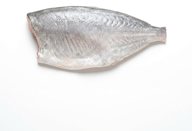 Pomfret or haddock fillet
Use the same weight; fillets cook 3–5 minutes faster than whole fish, so add them later.
 Whole firm white fish
Use the same weight, score the fish and cook similarly; choose a similar-sized fish so it cooks evenly.
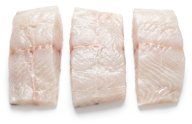 Firm white fish fillet
Use the same weight and reduce simmering by about 5 minutes; it holds together less well than whole pomfret.


 Peanut oil
Use 1:1 by weight. Handles high-heat frying identically and introduces a very subtle, pleasant nuttiness.
 Ghee
Use 1:1 by weight. Yields a much richer, authentic aroma and a glossy, heavier mouthfeel.
 Mustard oil
Use 1:1 by weight. Heat until smoking, then cool slightly before cooking to temper its intensely pungent, sharp mustard kick.


 Bay leaf
Fry 1 bay leaf for every 5 curry leaves in hot oil; imparts a warm, woodsy background note, but misses the citrus-sulphury punch entirely.
 Lime juice
Add a small squeeze (about 5 ml per sprig of curry leaves) right before serving; provides sharp citrus top notes without the toasty, herbal aroma.


 Red chilli powder
Use 100% of the weight. Provides direct, sharp heat and red colour in equal measure.
 Kashmiri chilli powder
Use 150% to 200% of the weight if matching colour, but add a pinch of black pepper or hot chilli if you need equivalent fiery heat.
 Cayenne pepper
Use 75% to 100% of the weight. Offers a sharp, clean heat with slightly less earthy depth and less crimson colour.


 Cumin seed
Dry-roast briefly and grind finely; use equal weight (1:1). Imparts an even punchier, nuttier, toasty aroma than pre-ground cumin.
 Ground coriander
Use equal weight (1:1). Adds mild, lemony sweetness rather than cumin's smoky, earthy bite; curries will taste lighter and less savoury.
 Black cumin seeds
Grind finely; use 60% to 75% of the weight. Produces a darker, more complex, smoky-herbal flavour suited to rich gravies.


 Coriander seeds
Dry-roast lightly in a pan and grind to a fine powder; use equal weight (1:1). Offers a noticeably fresher, brighter citrus note.
- Ground cumin
Use 50% to 75% of the weight. Lacks the floral, citrusy profile of coriander and turns the gravy heavier, earthier, and darker.
 Garam masala
Use 50% of the weight and stir in near the end of cooking. Adds warmth and depth since it contains ground coriander, but introduces stronger spices like clove and cinnamon.


 Mung bean sprout
Same thing; use the same weight. If raw, blanch for 1-2 minutes to soften and remove rawness.
 Sprouted mung bean
Use the same weight; they are shorter and firmer, so cook 2-3 minutes longer or steam before adding.
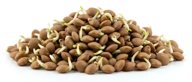 Sprouted whole brown lentil
Use the same weight; blanch 2 minutes. Earthier and slightly chewier, so adjust salt.


 Ground ginger
Use 50% of the weight. Mimics turmeric's warm, earthy, rhizome background, but provides none of the golden-yellow colour.
 Saffron
Steep a tiny pinch (0.1 g per 2 g turmeric) in 2 tbsp warm water; use to match the rich golden hue. Contributes an aristocratic, honeyed floral flavour rather than earthy bitterness.


 Lemon juice
Use equal volume or weight; slightly sweeter and less pungent, but otherwise an imperceptible swap.
 Dried mango powder
Use 25% of the weight; imparts dry, fruity sourness, best stirred in right at the end of cooking.
 Tamarind extract
Use 50% of the weight; delivers pleasant fruity tang but turns pale sauces considerably darker.


- Chilli powder
Use 10 to 15% of the weight (about 1/4 teaspoon per chilli); imparts dry pungent heat and reddens the dish without the grassy crunch.
 Dried red chilli
Use 1 dried pod per fresh green chilli; snap in half and temper in hot oil for a deeper, toastier heat.


 Coriander leaf
Use equal weight, chopped fresh and stirred in off the heat or used as garnish. Matches the citrus-herbal profile identically.
 Mint
Use 40% to 50% of the weight; chop finely and add at the very end. Adds fresh herbal brightness, but shifts the aroma toward cool menthol.


 Dried mint
Use about 30% of the weight of fresh mint. Rub between your palms to crush before stirring in; the flavour will be more intensely herbal and less bright.
- Coriander leaf
Use equal weight, finely chopped. Adds fresh citrusy green notes, but lacks the cooling menthol lift.

Similar dishes

- Same: Both recipes use fish cooked in vegetable oil and seasoned with lime juice, green chillies, turmeric, chilli powder, cumin, and coriander.
- Different: Tikha Maslyatil Tali Macchi is a fried fish dish coated in ginger and garlic pastes, omitting the moong dal sprouts, curry leaves, and fresh coriander used to simmer this stew.

- Same: Both dishes cook fish in vegetable oil seasoned with curry leaves, chilli powder, turmeric, cumin, and coriander.
- Different: Madras Fish Curry builds a thicker sauce with fresh coconut, poppy seeds, tomatoes, onions, ginger, garlic, and tamarind, but leaves out the moong dal sprouts.

- Same: Meen Thala Kari also simmers fish in vegetable oil seasoned with the same ground spices: turmeric, cumin, coriander, and chilli powder.
- Different: Instead of moong dal sprouts, curry leaves, and lime juice, it stews fish heads, aubergines, and okra in fresh ginger, tomatoes, and a heavy coconut milk sauce soured with tamarind.

- Same: Both dishes incorporate legumes cooked in vegetable oil with curry leaves, green chillies, and a common spice mix of ground turmeric, cumin, coriander, and chilli powder.
- Different: Veerakkaikura is a vegetarian curry of ribbed gourd and chana dal simmered with tomatoes, garlic, dried red chillies, and a mustard-seed tempering instead of fish, moong dal sprouts, and lime juice.