Indian cooking
Indian cooking / Dishes / Dohneiiong
Dohneiiong (Pork with Black Sesame Seeds)

Dohneiiong

Pork with Black Sesame Seeds
Non-vegetarian●●●Origin Tribal North East IndiaPrep 20 minutesCook 30–40 minutes

A fragrant, deeply savoury Khasi pork curry flavoured with nutty black sesame. The pork fat is rendered down to cook the aromatics, creating a rich and glossy gravy.

ground spices

0.3 gAdded to the rendered fat with the aromatics (step 2)
01
~0.3 gpinch
spice
Leave ready to add directly to the cooker.

Everything else

01
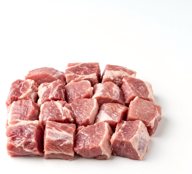
Pork · Suar ka Goshtcut into 8-cm / 3-inch pieces
1000 g
meat
02
600 g4 onions
vegetable
03
to taste
salt

Method

  1. Set a pressure cooker over low heat and add 1000 g pork. Cook for 15 minutes, stirring steadily, until the fat renders out, then transfer the meat to a plate and set aside.
  2. Add 600 g onion, 2 tablespoon black sesame paste, the ground spices and salt to taste into the hot rendered fat in the cooker. Sauté for roughly 5 minutes, stirring regularly, until the oil begins to separate.
  3. Return the pork pieces to the cooker and fry for 5 minutes, keeping the meat moving continuously.
  4. Pour in 500 ml water and secure the pressure cooker lid. Bring to pressure and cook for 15 minutes. Alternatively, cover and simmer in a heavy-based pot for about 30 minutes until the pork is completely tender.

Don't have something?

Pork
  • Lamb shoulder

    Use equal weight, diced similarly. Cook using the same slow braising method; lends a richer, slightly gamier flavour and retains moisture well.

  • Chicken

    Use equal weight of bone-in thighs. Cut into pieces and reduce simmering time by about half (cook for 25-30 minutes) to keep the meat succulent.

Onion
  • Shallot

    Use equal weight, finely sliced. Shallots soften and brown faster, giving a slightly sweeter and more delicate base to curries.

  • Cabbage

    Use 80% of the weight, finely shredded and browned slowly with a pinch of asafoetida. Replicates the bulk and natural sweetness in gravies without allium.

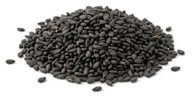
Black sesame seed
  • White sesame seed

    Use the same weight and toast lightly; the flavour is close but the colour will be paler.

  • Sesame seed

    Use the same weight; toast gently and crush if a black sesame paste is needed.

Ground turmeric
  • Ground ginger

    Use 50% of the weight. Mimics turmeric's warm, earthy, rhizome background, but provides none of the golden-yellow colour.

  • Saffron

    Steep a tiny pinch (0.1 g per 2 g turmeric) in 2 tbsp warm water; use to match the rich golden hue. Contributes an aristocratic, honeyed floral flavour rather than earthy bitterness.


Similar dishes

Oma Bedoi Saonai
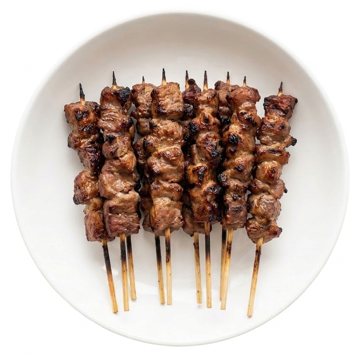
Barbecued Pork
It tastes dry, smoky, and charred, lacking the rich, savory onion sauce of this dish.
  • Same: Oma Bedoi Saonai shares the same primary ingredient, using pork seasoned with salt.
  • Different: Rather than being braised into a gravy with onions and turmeric, Oma Bedoi Saonai omits the aromatics and is skewered and roasted directly over hot coals.
Wookhan
Pork Stew
Wookhan yields a lighter, spicy, and ginger-infused broth, whereas this dish is much richer, heavier, and savoury from the rendered pork fat.
  • Same: Like this dish, Wookhan centers on a kilogram of pork cooked with a generous amount of sliced onions and salt.
  • Different: Wookhan is simmered into a stew with fresh green chillies and ginger paste, whereas this dish uses turmeric and renders the pork fat to create a thick gravy.
Tungrumdai
Pork with Fermented Soya Beans (Soybeans)
Tungrumdai tastes more pungent and earthy from the fermented soya beans, with less onion sweetness and less sesame nuttiness than this dish, which is richer in pork fat and black sesame flavour.
  • Same: Tungrumdai and this dish are both pork curries made with onion, black sesame seeds, and salt, simmered into a savoury gravy.
  • Different: Tungrumdai adds 200 g fermented soya beans, garlic paste, and vegetable oil, while this dish has no soya beans, garlic, or added oil and uses far more onion and black sesame, with the pork fat rendered to cook the aromatics.
Wak Serjak
Pork Curry
Wak Serjak tastes sharper, tangier, and spicier from tomatoes and fresh chillies rather than rich and earthy.
  • Same: Both dishes are pork curries built on a base of stewed pork, onions, and salt.
  • Different: Wak Serjak uses vegetable oil, tomatoes, green chillies, and ginger paste instead of relying on rendered pork fat and ground turmeric.