
Shyaem
These elongated Kashmiri lamb meatballs are gently poached, then simmered in a rich, spiced yoghurt sauce scented with mustard oil and aromatic warming spices.
Kofta spices
4.6 gMixed into the minced meat mixture (step 1)Yoghurt spices
1.8 gWhisked into the yoghurt base (step 3)Whole spices for the oil
2.8 gFried in hot mustard oil (step 5)Finishing spices
8 gStirred into the curry at the end of simmering (step 7)Everything else

Method
- Place 1000 g minced lamb, 913 g vegetable oil or ghee, 5.1 g yogurt, 0.3 g salt, and the kofta spices into a large stone mortar or heavy bowl, along with the required aniseed and Kashmiri garam masala. Pound thoroughly with a wooden pestle until the meat forms a smooth, emulsified paste.
- Divide the pounded lamb into equal medium portions. Lightly grease your palms and shape each portion into a smooth cylinder roughly 8 cm (3 inches) in length, setting them on a plate.
- Whisk 517 g yogurt, 259 g milk, 4.2 g granulated sugar, the yoghurt spices, salt to taste, and the aniseed together in a bowl until smooth. Set aside.
- Bring 500 ml water to a boil in a wide, shallow pan. Lower the meat cylinders gently into the water and boil for 20 minutes. Lift the meat out with a slotted spoon, reserve the cooking liquid, and stir that broth directly into the yoghurt mixture.
- Heat 114 g mustard oil in a separate pan over medium heat. Add the whole spices for the oil and let them sizzle for 30 seconds.
- Turn the heat down to low and pour in the yoghurt-broth mixture. Stir continuously without stopping until the liquid thickens into a uniform sauce.
- Transfer the poached lamb cylinders into the simmering sauce and cook for 15 minutes, swirling the pan occasionally. Reduce the heat and simmer gently for about 30 minutes, then fold in the finishing spices and the remaining Kashmiri garam masala until thoroughly combined.
Don't have something?


 Plain yogurt
Use 100% of the weight. Whisk thoroughly until smooth before stirring into warm gravies to prevent curdling.
 Single cream
Use 90% of the weight combined with 10% lemon juice to replicate the lactic tang and rich body in marinades and curries.


 Whole milk
Use equal weight; provides the standard rich dairy fat and body expected in creamy Indian bases.
- Single cream
Dilute 3 parts cream with 1 part water to match the weight; yields a richer, glossier gravy that resists curdling.
- Plain yogurt
Whisk thoroughly and use equal weight; adds extra body and a mild pleasant acidity, best added off the heat.


 Ginger paste
Use 300% to 400% of the weight (e.g. 3–4 g paste for 1 g ground). Fry in oil alongside onions; provides a juicy, pungent kick rather than a dry, baking-spice heat.
 Fresh ginger
Peel and grate finely; use 300% to 400% of the weight. Add to the hot oil early; delivers bright, peppery warmth rather than the mellow, woody heat of dry ginger.
 Ground mace
Use 50% of the weight. Imparts a warm, spicy undertone in rich gravies, but lacks ginger's fiery, sharp zest.


 Ground fennel seed
Use the same weight; fennel is the closest everyday match, slightly sweeter and milder.
 Aniseed
Grind the same weight freshly; the aroma is stronger, so add it near the end.
 Ground star anise
Use about 50% of the weight; it is much more powerful and slightly liquorice-heavy.


 Jaggery
Use equal weight; grate or shave finely so it dissolves rapidly, giving a warm, caramel-like sweetness and slightly darker sauce.


 Peanut oil
Use equal weight. It handles high-heat cooking well, but lacks the signature pungent, nasal heat of mustard oil.
 Vegetable oil
Use equal weight. Neutral in flavour, so your curry will lack the characteristic Bengali or North Indian pungent punch.


 Ground cloves
Use 1 g ground for 4 g whole (or 1 small pinch per 2 to 3 whole cloves). Add with spice powders; disperses intense warmth quickly, so use with restraint.
 Allspice berries
Use 100% of the weight whole in tempering. Imparts a warm, clove-like aromatic profile combined with hints of nutmeg and cinnamon.
 Black cardamom pod
Use 1 pod for 3 to 4 cloves in whole tempering. Shares a camphor-like warmth and medicinal depth, though it introduces a distinct smoky undertone.


 Ground cumin
Use 70% of the weight; add with ground spices or sauce bases rather than hot oil tempering, where it scorches quickly and turns bitter.
 Black cumin seeds
Use equal weight for oil tempering. Delivers an earthy profile with an additional musky, smoky, and slightly bitter edge.
 Fennel seed
Use 60% of the weight for tempering; offers comparable warm aroma, but leans sweet and liquorice-like rather than savoury and earthy.


 Garlic powder
Use double the weight. Stir into hot oil just before adding wet ingredients; mimics the allium savoury background without the sulphurous edge.
 Garlic paste
Use 2 g for every 0.5 g of asafoetida. Sauté in oil until the raw smell clears; adds moisture and sweet allium depth.


 Garam masala
Use 75–80% of the weight; add at the same stage. More pungent and less aromatic, so taste before adding more.
 Ground garam masala
Use 75–80% of the weight; stir in off the heat. Finer powder, so it releases aroma quickly.
 Ground cardamom and mace
Use 20–25% of the weight alongside garam masala for aroma; it lacks the full spice profile.


- Fennel seed
Same weight, lightly crushed; sweeter and milder but the closest match for the anise note.
- Cumin seed
Use two-thirds the weight; earthier and warmer, losing most of the aniseed character — good in breads and root vegetables.
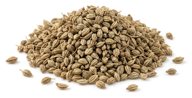 Carom seeds
Use half the weight; much more pungent and thyme-like, so add early in hot oil to soften it.


 Green cardamom seed
Use 35 to 40% of the total pod weight; lightly bruise the seeds before frying in oil to release their essential oils.
 Ground green cardamom
Use 20 to 25% of the pod weight (about 1 generous pinch per pod); stir in toward the end of cooking so the delicate floral notes do not dissipate.
 White cardamom pod
Use 1:1 by pod count or weight; crack gently before using, though it is slightly less intensely floral.


 Black peppercorn
Use 1:1 by weight; pulverise in a spice mill or mortar to a fine powder for immediate, punchy heat.
 Coarsely ground black pepper
Use equal weight; offers the same bite, though it gives a visibly speckled finish and firmer crunch.


 Black cardamom seeds
Use equal weight; grind freshly in a mortar or spice mill for an even more vibrant camphor-and-smoke aroma.
- Black cardamom pod
Use 2.5 times the weight in whole pods; crack open, extract the sticky seeds, and grind to a fine powder, discarding the husks.
- Garam masala
Use 60% of the weight; provides some warm resinous smokiness if it contains black cardamom, though it adds cinnamon and clove notes.


- Ground Ceylon cinnamon
Milder and sweeter than ground cassia: use about 1.5 times the weight.
 Cassia bark (Chinese cinnamon)
Grind the same weight of cassia bark in a spice mill until powdery, or simmer a piece whole and lift it out before serving.
- Ground mace
Use 40 to 50% of the weight; offers a delicate, sweet, woodsy fragrance that complements rich curries without dominating.


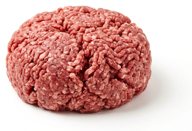 Ground lamb
Use the same weight; it is the same thing under another name and cooks identically.
 Minced chicken
Use the same weight; it is leaner, so add 1 tbsp oil and cook 3–4 minutes less.
 Boneless lamb
Mince at home; use the same weight. Keep some fat for juiciness and cook until browned.


- Peanut oil
Use equal weight; handles high tempering heat well and keeps flavours neutral.
 Butter
Use equal weight; cook over gentle heat to prevent browning the milk solids too quickly.

Similar dishes

- Same: Kashmiri Kofte also features elongated minced lamb meatballs simmered in a spiced yogurt sauce flavored with mustard oil, ginger, cumin, and Kashmiri garam masala.
- Different: Kashmiri Kofte adds Kashmiri chilli powder and turmeric, but omits the milk, cinnamon, black pepper, and green and black cardamoms used in this dish.
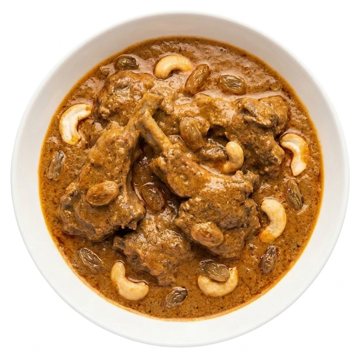
- Same: Darashahi Kaliya also cooks lamb in a sauce of yogurt, milk, and mustard oil seasoned with Kashmiri garam masala, ground ginger, green cardamom, cinnamon, clove, and asafoetida.
- Different: Instead of poached minced lamb meatballs spiced with cumin seed and black cardamom, Darashahi Kaliya braises lamb ribs with chilli powder, turmeric, and raisins using more mustard oil.

- Same: Like this dish, Martswangan Qorma is a Kashmiri lamb preparation simmered in yogurt with ginger, cinnamon, cumin, cloves, and green cardamom.
- Different: Martswangan Qorma uses lamb shoulder pieces instead of poached minced meatballs, incorporates dried red chillies, fennel, and mawal extract, and omits the milk, mustard oil, and asafoetida of this dish.
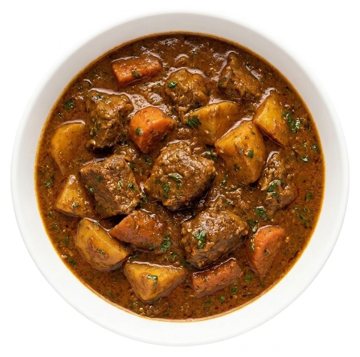
- Same: Both are Kashmiri lamb dishes simmered in a spiced yoghurt sauce with garam masala, ginger, asafoetida, clove and sugar.
- Different: Kaliya uses lamb chops and breast pieces and ghee, adds chilli powder, turmeric, fennel, fresh ginger, turnip or potato and coriander leaf, and lacks mustard oil, milk, minced lamb and the cardamom/cinnamon/cumin blend of this dish.