Indian cooking
Indian cooking / Dishes / Saag Gosht
Saag Gosht (Mughlai Lamb and Spinach Curry)

Saag Gosht

Mughlai Lamb and Spinach Curry
Non-vegetarian

Saag gosht is a slow-cooked lamb curry with spinach puréed into a thick, deep-green sauce. Browned onion and tomato give it body, while the spices keep it warm and earthy rather than hot.

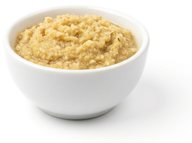
Ginger-garlic paste

15 gHalf mixed into the lamb marinade (step 1) and half added to the sauce (step 7)
Divide in half: one half for the marinade, one half for the sauce.

Ground spices for the sauce

4.2 gStirred into the fried onion-tomato paste before the lamb goes in (step 8)
01
1.1 g½ teaspoon
spice
02
1.3 g½ teaspoon
spice
03
1.8 g1 teaspoon
spice
Mix together and stir in.

Everything else

01
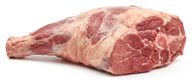
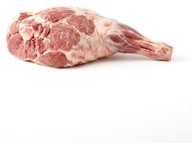
Lamb leg · Raancut into bite-sized pieces (ask your butcher to do this)
850 g
meat
02
27 g2 tablespoons
oil/fat
03
Onion · Pyazthinly sliced
450 g3 onions
vegetable
04
~0.3 gpinch
sweetener
05
Tomato · Tamatarroughly chopped
240 g2 tomatoes
vegetable
06
350 g
vegetable
07
3 g2 chillies
vegetable
08
27 g2 tablespoons
oil/fat
09
to taste
salt
10
Fresh ginger · Adrakcut into slivers, to garnish
6 g1½ cm
aromatic

Method

  1. Mix 850 g lamb leg on the bone with half the 15 g ginger and garlic paste (about 7.5 g). Marinate for 2–3 hours, or overnight.
  2. Heat 27 g vegetable oil in a frying pan over medium heat. Add 450 g onion and 0.3 g sugar and fry for 15–17 minutes, until softened and dark brown.
  3. Drain the onions and leave to cool. Blend with 240 g tomato and 50 ml water to a thick, fine purée.
  4. Set aside a small handful of the 350 g spinach. Blend the rest with 4 g green bird’s eye chilli and 40 ml water to a purée.
  5. Chop the reserved spinach and stir it into the spinach purée.
  6. Heat 27 g mustard oil in a heavy-based saucepan over medium heat. Add the onion-tomato purée and fry for 6–7 minutes.
  7. Add the remaining 7.5 g ginger and garlic paste and fry for 2 minutes.
  8. Stir in the ground spices for the sauce, then add the marinated lamb. Raise the heat slightly and fry for 4–5 minutes, turning the pieces so they seal and take on the masala.
  9. Add 100 ml water and bring to a boil. Cover and simmer for 45 minutes.
  10. Add the spinach purée and salt to taste. Simmer for 30 minutes, stirring a few times so the curry does not catch, until the lamb is tender and the sauce is thick.
  11. Garnish with 6 g fresh ginger slivers.

Don't have something?

Lamb leg
  • Leg of lamb

    Use the same weight; cook as directed, allowing extra time if bone-in.

  • Lamb hind leg

    Use the same weight; practically the same cut, so follow the recipe timings.

  • Lamb shoulder

    Use the same weight; fattier and softer, so skim fat and cook 10–15 minutes longer.

Ginger garlic paste
  • Ginger and garlic paste

    Use the same weight; the difference is only the order of the names.

  • Garlic paste

    Mix with an equal weight of ginger paste and use the same total weight.

  • Garlic

    For 20 g paste use about 10 g crushed garlic and 10 g grated ginger root with a splash of water. Add a little extra water if the dish looks dry.

Vegetable oil
  • Peanut oil

    Use 1:1 by weight. Handles high-heat frying identically and introduces a very subtle, pleasant nuttiness.

  • Ghee

    Use 1:1 by weight. Yields a much richer, authentic aroma and a glossy, heavier mouthfeel.

  • Mustard oil

    Use 1:1 by weight. Heat until smoking, then cool slightly before cooking to temper its intensely pungent, sharp mustard kick.

Onion
  • Shallot

    Use equal weight, finely sliced. Shallots soften and brown faster, giving a slightly sweeter and more delicate base to curries.

  • Cabbage

    Use 80% of the weight, finely shredded and browned slowly with a pinch of asafoetida. Replicates the bulk and natural sweetness in gravies without allium.

Granulated sugar
  • Jaggery

    Use equal weight; grate or shave finely so it dissolves rapidly, giving a warm, caramel-like sweetness and slightly darker sauce.

Tomato
  • Tomato purée

    Use 40% to 50% of the fresh tomato weight mixed with a splash of water. Imparts a deeper red colour, thicker sauce, and slightly sweeter cooked flavour.

  • Plain yogurt

    Use 60% of the weight, whisked smooth and added on low heat. Provides rich body and sourness, though the gravy becomes paler and creamier.

Spinach
  • Amaranth leaves

    Use equal weight; trim tough stems and cook as directed. Yields a very similar melting texture, though red varieties will tint the dish.

  • Radish leaves

    Use equal weight, finely chopped. Slightly more peppery, so sauté for two minutes longer to soften the bite.

  • Mustard greens

    Use 75% of the weight, finely shredded. Adds a robust, peppery bitterness; balance with a tiny pinch of sugar if needed.

Green bird's eye chilli
  • Bird's eye green chilli

    Use the same weight; heat and flavour are very close.

  • Green chilli

    Use 1.5 to 2 times the weight; deseed for less heat. Larger chillies are more watery.

  • Fresh green chilli

    Use 1.5 to 2 times the weight; chop finely and adjust heat by tasting.

Mustard oil
  • Peanut oil

    Use equal weight. It handles high-heat cooking well, but lacks the signature pungent, nasal heat of mustard oil.

  • Vegetable oil

    Use equal weight. Neutral in flavour, so your curry will lack the characteristic Bengali or North Indian pungent punch.

Mild chilli powder
  • Mild paprika

    Use the same weight for colour and low heat; add a small pinch of hot chilli powder if needed.

  • Kashmiri chilli powder

    Use the same weight; similar colour, slightly more heat. Taste before adding more.

  • Red chilli powder

    Use half the weight and make up with mild paprika; red chilli powder is usually hotter.

Ground cumin
  • Cumin seed

    Dry-roast briefly and grind finely; use equal weight (1:1). Imparts an even punchier, nuttier, toasty aroma than pre-ground cumin.

  • Ground coriander

    Use equal weight (1:1). Adds mild, lemony sweetness rather than cumin's smoky, earthy bite; curries will taste lighter and less savoury.

  • Black cumin seeds

    Grind finely; use 60% to 75% of the weight. Produces a darker, more complex, smoky-herbal flavour suited to rich gravies.

Ground coriander
  • Coriander seeds

    Dry-roast lightly in a pan and grind to a fine powder; use equal weight (1:1). Offers a noticeably fresher, brighter citrus note.

  • Ground cumin

    Use 50% to 75% of the weight. Lacks the floral, citrusy profile of coriander and turns the gravy heavier, earthier, and darker.

  • Garam masala

    Use 50% of the weight and stir in near the end of cooking. Adds warmth and depth since it contains ground coriander, but introduces stronger spices like clove and cinnamon.

Fresh ginger
  • Ginger paste

    Use equal weight. Sauté in hot fat until the raw allium smell disappears; slightly wetter, but provides identical warmth and pungency.

  • Ground ginger

    Use 20% to 25% of the weight (1 g for every 4 to 5 g fresh). Stir into the gravy; adds peppery heat and warmth, though it misses the crisp, zesty kick of raw root.


Similar dishes

Suvey aur Palak ka Gosht
Stewed Lamb with Spinach & Dill
It tastes tangier from lemon juice and yoghurt and more herbal from dill, while this dish tastes earthier and less sour.
  • Same: Suvey aur Palak ka Gosht shares with this dish a slow-cooked lamb-and-spinach base built on onion, tomato, ginger, garlic, chilli powder and ground coriander.
  • Different: It uses boneless lamb, yoghurt, dill, turmeric, black cardamom, garam masala and lemon juice, and lacks this dish's mustard oil, bone-in lamb, sugar, bird's eye chilli and cumin.
Laal Maas (Indian Kitchen)
Rajasthani Lamb Curry
It tastes fiery, tangy and aromatic from dried chillies, yoghurt and lemon, while this dish tastes warm and earthy from spinach and mild spices.
  • Same: Laal Maas shares bone-in lamb leg, onion, vegetable oil, ground coriander, ground cumin and salt with this dish.
  • Different: It uses dried Kashmiri chillies, garlic, yoghurt and lemon instead of spinach, tomato, ginger-garlic paste and mustard oil, and it makes a chilli-yoghurt gravy rather than a spinach purée.
Adraki Chaamp (Tandoori Home Cooking)
Spiced Lamb Cutlets with Spinach, Ginger, Chilli & Chaat Masala
Adraki Chaamp tastes tangier and fresher from vinegar, yoghurt and chaat masala with green chilli heat, while this dish is earthier and milder from cumin, coriander and thick spinach sauce.
  • Same: Adraki Chaamp shares lamb, spinach, ginger, garlic and green bird's-eye chilli with this dish.
  • Different: Adraki Chaamp marinates lamb cutlets in yoghurt, spinach, malt vinegar, chickpea flour, turmeric and coriander then roasts them with smoked butter and finishes with chaat masala and ground ginger, while this dish slow-cooks bone-in lamb leg with onion, tomato, mustard oil, vegetable oil, cumin and coriander into a puréed spinach curry.
Bohra-Style Fried Lamb Chops
Bohra-Style Fried Lamb Chops is crisp outside, juicy inside and tangy with mild chilli, while this dish is earthy, spinach-heavy and warm rather than hot.
  • Same: Bohra-Style Fried Lamb Chops shares lamb, ginger, garlic, cumin, coriander, chilli and salt with this dish.
  • Different: Bohra-Style Fried Lamb Chops uses lamb chops, malt vinegar, plain flour, egg and breadcrumbs and is fried, while this dish is a slow-cooked bone-in lamb curry with onion, tomato and spinach purée.